+48 518 537 385
 office@shade4you.eu


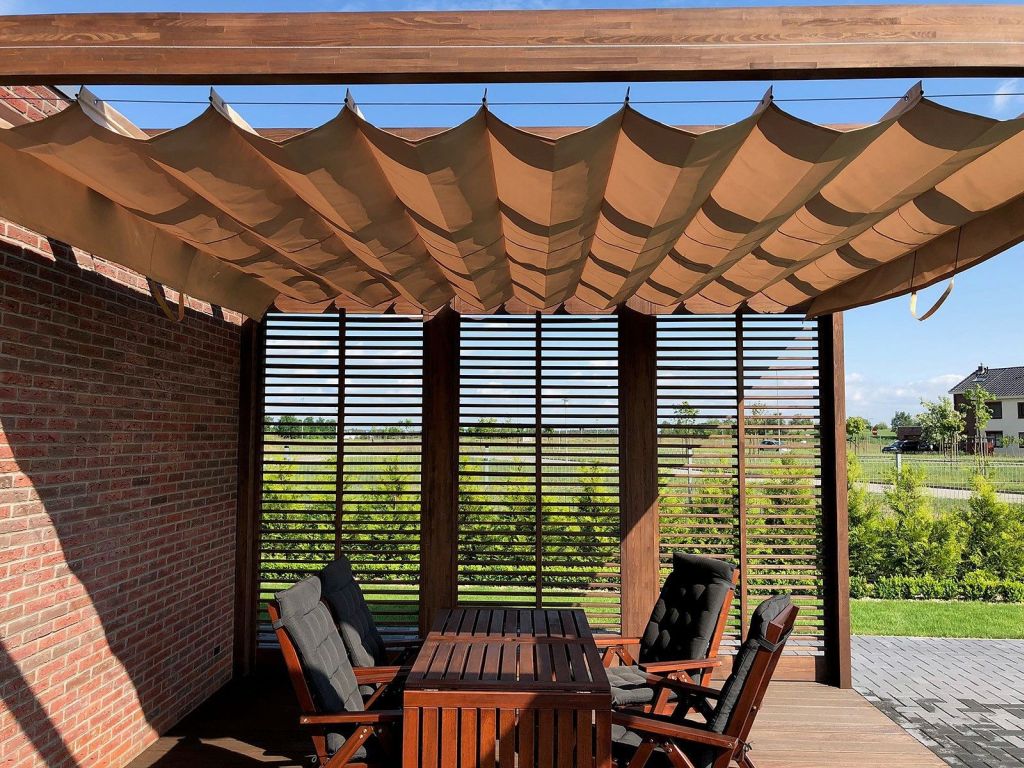
Which is better for your pergola: a retractable sun sail or a Roman blind? A retractable sun sail provides sleek, wide overhead sun protection, while a Roman blind offers a softer, pleated style suited for low-angle sun and side shade. Your choice depends on your garden layout, style preference, and everyday weather needs.
Pergola Shade Options: Retractable Sun Sail and Roman Blind Compared
What Is a Retractable Sun Sail for Pergolas?
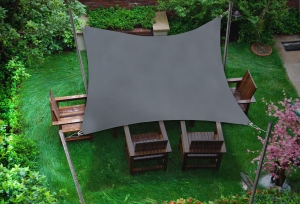
A retractable sun sail is a fabric cover that you can pull out when you need shade and slide back when you want full sun. It gives you flexible control over your patio or garden seating area. Modern retractable shade sails bring a clean, tidy look to any pergola while helping you manage heat and glare.
Most systems use a durable fabric canopy stretched across the pergola frame. You can open and close the fabric by hand. This lets you adjust light levels throughout the day to boost outdoor comfort. With their modern design, sun sails add both style and practical sun protection to your garden.
What Is a Roman Blind for Pergolas?
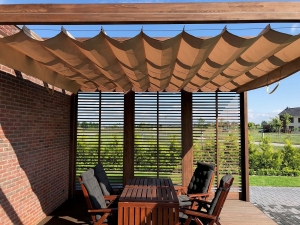
A Roman blind for a pergola is an outdoor fabric cover that folds into soft horizontal pleats when pulled back. This layered look gives your pergola a warm, finished feel. Because the fabric hangs in soft sections, it also allows fresh air to move freely beneath the canopy.
Pergola Roman blinds can be fitted to freestanding frames or attached to the side of a house. Many modern versions use water-repellent materials to handle light showers during unpredictable British summers. They offer a neat, tailored appearance that works well with both classic and modern outdoor spaces.
Configure a retractable sun sail
Key Differences between Retractable Sun Sails and Roman Blinds
How Does the Retracting Mechanism Differ?
The main difference lies in how each system moves fabric across the pergola. A retractable sun sail usually pulls a flat fabric panel along guide wires or tracks. When retracted, it rolls smoothly onto a roller tube or gathers at one end. Because the fabric stays flat as it moves, dried leaves and garden debris slide off easily. Installing the sail with a slight slope also helps rainwater run off quickly.
A Roman blind retracts by lifting fabric into stacked pleats using rear cords or guide tapes. While this pleated look is very attractive, rain can sit in the fabric folds if the cover is left open during wet weather. Trapped water adds extra weight, which can make the blind harder to retract and put more stress on the fabric over time. That is why we recommend installing it with a 10% slope across its width, so rainwater can drain away easily.
Visual Appeal and Design Compatibility
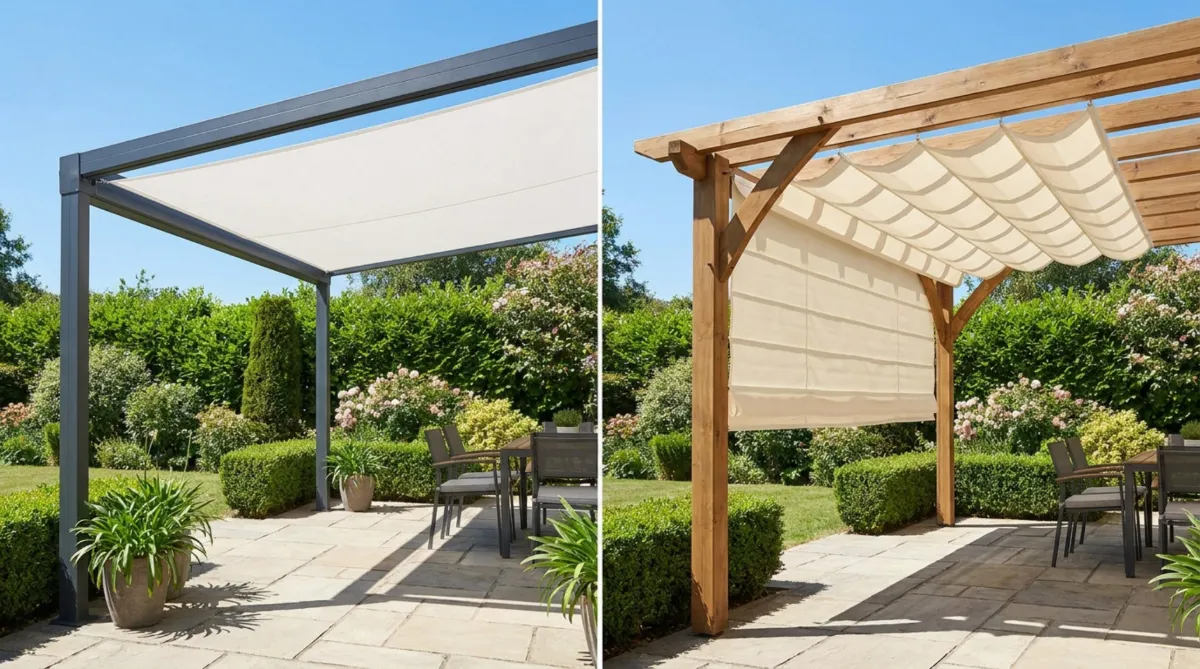
Both options look smart, but they create different visual styles. A retractable sun sail offers a smooth, minimal profile that highlights the clean lines of modern architecture. You can choose from many fabric colours to match your garden furniture or make a bold design statement.
Roman blinds offer a softer, more classic feel. The horizontal fabric folds create natural texture even when the blind is only partly open. This design suits traditional homes, brick patios, and cosy seating areas. Choose a sun sail for a crisp, modern look, or a Roman blind for a layered, decorative touch.
Shade Coverage and UV Protection Provided
Both systems provide effective sun protection to keep your seating area cool and help protect outdoor furniture from fading. However, they manage sunlight in slightly different ways.
Retractable sun sails excel at blocking overhead midday sun across the entire roof of your pergola. Roman blinds are mounted along the top of the pergola, creating a stylish, adjustable canopy that you can open or close as needed to control shade and keep your seating area comfortable.
Weather Resistance and Water-Repellent Features
British weather can change fast, so material quality and setup matter. High-quality materials allow sun sails to handle bright sun and light rain easily. To prevent water from pooling, you must install the sail with an adequate slope so water drains away naturally. In very strong winds, you should retract the fabric to keep it safe from strain.
Roman blinds also handle normal summer weather well, but you need to take care in the rain. Water can collect in the horizontal folds if the fabric is flat, so proper tension and slope are essential. Side-guided systems keep the fabric secure in moderate breezes, but any shade fabric should be pulled back during heavy storms.
Materials and Durability for Outdoor Use
Common Materials Used for Sun Sails and Roman Blinds
Durable outdoor fabrics are key to long-lasting shade. Retractable sun sails are available in Mesh, HDPE and Premium Decor fabrics, all strong, weather-resistant textiles that stay flexible with everyday use. These fabrics help block harsh sunlight while resisting rot and fading.
Roman blinds are made from HDPE, Premium Decor or PVC, tough outdoor fabrics designed to handle daily folding without losing their shape. Supporting frames and brackets for both systems are usually made from powder-coated aluminium or galvanised steel. These metal components resist rust and provide strong, reliable anchor points.
Longevity in Various British Weather Conditions
Outdoor shade systems last longest when they are well-made and cared for properly. Sun sails and Roman blinds are seasonal shades designed for spring, summer, and early autumn use. They are not intended for year-round winter exposure.
To protect your shade from severe winter storms, snow, and ice, take the fabric down at the end of the season and store it in a dry place during the cold months. Choosing mould-resistant fabrics and sturdy galvanised steel fixings helps your setup stay strong and look fresh year after year.
Maintenance Requirements and Care Guidelines
Simple, routine care keeps your shade working smoothly. Clean the fabric occasionally using mild soapy water and a soft brush to clear away dust, bird droppings, and tree sap. Let the fabric dry completely before packing or rolling it up for long periods.
Check the moving parts once or twice a season. Make sure guide cables, tracks, and manual cranks operate without sticking, and lubricate moving joints as directed by the manufacturer. Tighten any loose bolts on the pergola posts to keep the whole structure safe and steady.
Order an outdoor Roman blind for your pergola
Installation: Ease, Techniques, and Flexibility
DIY Installation Steps for Each Shade Cover
Fitting a pergola shade can be a straightforward DIY project if you have basic tools and a steady helper. Both systems require strong, level fixing points to hold up against daily wind pressure.
For a retractable sun sail, you fit mounting brackets to your pergola posts, install the tension cables or tracks, and attach the sail fabric. With Roman blinds, you first fix the mounting points and stretch the steel cables between them, then hang the blind on the cables so the pleats slide and gather evenly. Always use a spirit level during installation to prevent the fabric from snagging or pulling unevenly.
When To Choose Professional Installation
While DIY is popular, professional fitting is often best for very large pergolas. A professional installer ensures that all brackets are square and cables are tensioned correctly.
An installer can also check if your existing pergola posts need reinforcement. If you are attaching a shade system directly to your house wall, an expert can seal fixing points properly to prevent moisture from entering your brickwork.
Adapting Shade Covers To Existing Pergola Structures
You can easily fit modern shade covers to an existing timber, aluminium, or steel pergola. The main requirement is ensuring your pergola beams can handle the pulling force of tensioned cables.
If your wooden pergola is lightweight, you can add extra bracing or sturdy galvanised steel brackets to reinforce the corners. Roman blinds fit neatly underneath horizontal rafters, while sun sails can be mounted directly inside or above the main frame to suit your layout.
Cost Considerations: Upfront and Ongoing Expenses
Initial Purchase and Installation Costs
The upfront cost of pergola shading depends on size and fabric type. Standard fabric kits with manual pull cords are an affordable way to add shade.
Fitting the system yourself helps keep costs down. If you hire a tradesperson, factor installation into your total budget. Custom-made sizes for unusually shaped pergolas will also carry a higher price tag than off-the-shelf dimensions.
Long-Term Value and Replacement Interval
Investing in high-quality materials provides better value over time by making your garden comfortable and usable throughout warmer months. Tough fabrics and rust-resistant fittings reduce the need for early repairs or replacement parts.
A well-maintained shade system can deliver reliable performance for many seasons. To get the best return on your purchase, focus on durable fabrics, solid fixings, and simple seasonal care rather than choosing the cheapest short-term option.
Energy Efficiency and Potential Savings
Outdoor shade does more than keep your patio cool; it can also help keep your home cooler. Fitting a shade sail or Roman blind over patio doors blocks hot sunlight before it passes through the glass.
By stopping direct solar heat outside the house, you reduce indoor temperatures during summer heatwaves. This natural cooling effect lowers the need for indoor fans or air conditioning units, helping you save on summer electricity bills.
Improving Pergola Functionality and Aesthetic Appeal
Impact on Garden Landscape Design and Usability
A shaded pergola acts as a central focal point in your garden. It connects your indoor living space with the lawn or patio, giving your garden structure and clear purpose.
Positioning your pergola to catch cooling breezes while blocking peak midday sun makes your outdoor space far more practical. A stylish, well-planned shade cover enhances the overall look of your property and makes daily garden life much more enjoyable.
Adjusting Your Shade for Seasonal Changes
The main benefit of retractable systems is complete seasonal control. During hot summer days, extend your shade to create cool relief for family and guests. On mild spring or autumn afternoons, retract the cover fully to let warming sunlight fill your patio.
When winter arrives, take the fabric down and store it safely indoors in a dry place. Removing shade fabrics before freezing weather prevents ice and wind damage, ensuring your system is ready for the first warm days of spring.
Choosing the Best Shade Solution for Your Outdoor Space
Crucial Factors for Homeowners To Consider
To choose the right shade, think about how you use your outdoor area:
First, identify your primary need: do you want full overhead sun protection for outdoor dining, side shade for low-angle sun, or extra privacy from neighbours? Next, check which way your patio faces to see where the sun falls at different times of day. Finally, choose a fabric style that matches your home exterior and garden furniture.
Suitability for Different Garden Layouts and Requirements
Freestanding pergolas set out in open lawn or patio areas usually work best with retractable sun sails, as they provide wide, clean overhead cover. The flat profile keeps open spaces feeling bright and airy.
Pergolas built right against the house or near large glass patio doors often benefit from Roman blinds. Their vertical versatility helps block glare from setting suns, and their soft fabric pleats blend smoothly with indoor interior design styles.
Common Mistakes To Avoid When Selecting Shade Covers
Avoid these frequent mistakes when planning your pergola shade:
- Ignoring wind conditions: Always retract shade fabric during high winds and stormy weather to prevent damage to posts and fittings.
- Installing without enough slope: Fabric roofs need a clear slope so rainwater drains away instead of pooling on top.
- Overlooking side glare: Remember that low morning and late afternoon sun comes in from the side, not just overhead.
- Overloading weak posts: Ensure your pergola frame is strong enough to hold tensioned cables and brackets before mounting fabric.
- Skipping basic maintenance: Keep guide tracks clean and remove fallen leaves regularly so moving parts do not jam.
See all retractable shading options
Frequently Asked Questions on Pergola Shade Solutions
Can retractable sun sails and Roman blinds withstand strong winds?
Both systems can handle normal summer breezes when fitted securely with high-quality brackets. However, neither is built for severe storms or gale-force winds. You should always retract or take down shade fabrics when strong winds or bad weather are forecast.
Are these shade options waterproof or just water-resistant?
Most standard shade fabrics are water-repellent, meaning they shed light rain showers easily if installed at a slope. Heavy downpours can cause water to collect in flat fabric or Roman pleats, so you should ensure proper runoff angles to keep water moving off the canopy.
How do you clean and maintain each type?
Clean the fabric using warm water, mild soap, and a soft cloth or brush. Rinse away dirt and allow the fabric to dry thoroughly in the open air. Check metal brackets, cables, and guide tracks once or twice a year, wiping away grit and keeping fixings tight.
Are custom sizes available for irregular pergolas?
Yes. Both retractable sun sails and Roman blinds can be made in custom dimensions to fit unique pergola shapes. Custom sizing ensures a neat fit, prevents unwanted gaps, and provides effective sun protection across your entire outdoor space.