+48 518 537 385
 office@shade4you.eu


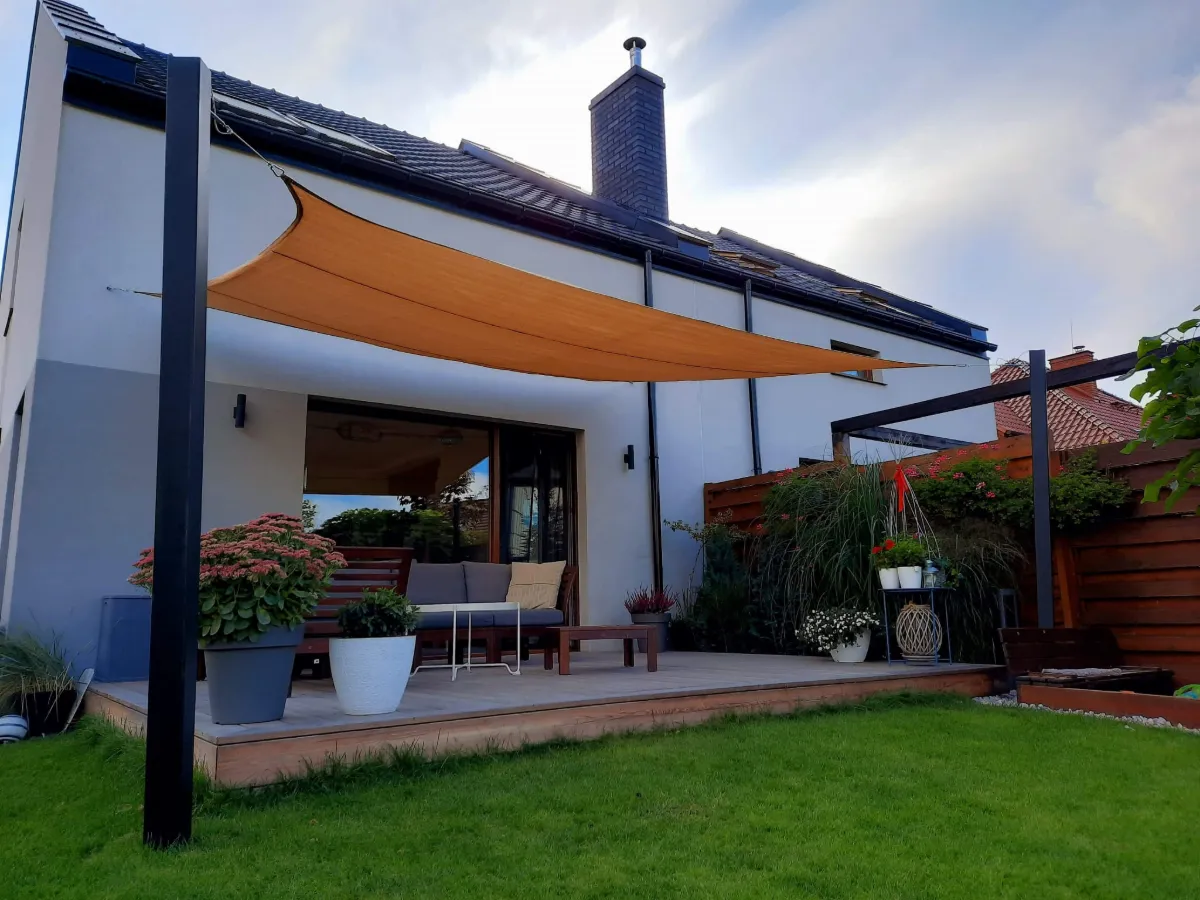
How can you make your outdoor spaces more comfortable, private, and sheltered from the elements? Adding outdoor curtains provides effective sun protection and flexible shade, turning any patio, pergola, or balcony into a cosy, functional outdoor room.
Why Consider Outdoor Curtains for Your Garden, Patio or Balcony?
Outdoor curtains solve several common garden issues. They help you enjoy your outdoor spaces from early spring into autumn, offering shade on sunny days and light shelter during sudden showers. Curtains also create clear boundaries, making open spaces feel much more welcoming.
Because many homes sit close to neighbours, outdoor curtains offer a simple, attractive way to increase privacy. They also protect your furniture from weather wear and help your garden setup look complete and stylish.
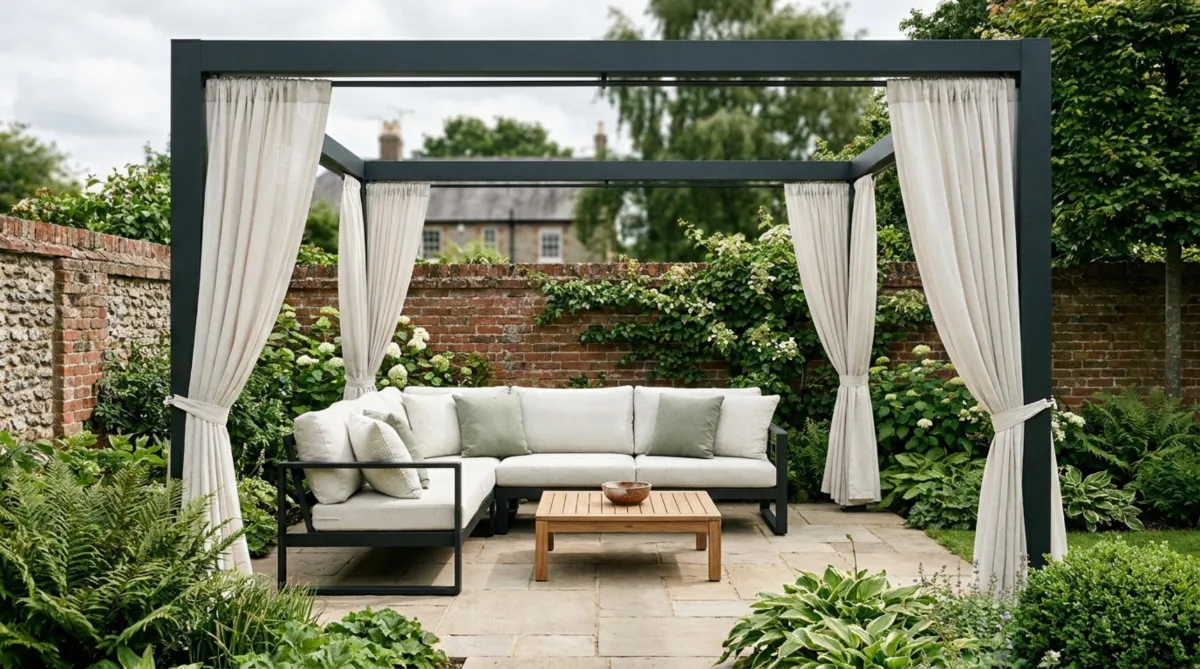
What Are the Advantages of Outdoor Curtains for Gardens, Patios and Balconies?
Increase Privacy Without Sacrificing Style
Privacy is a key reason to install outdoor curtains. If your patio faces neighbouring houses or a shared path, curtains act as a soft screen so you can relax without feeling watched.
Curtains give you a flexible alternative to solid timber fences or brick walls. Light-filtering fabrics block clear sightlines while letting soft daylight through. For evening gatherings, simply draw thicker panels across to create a calm, private garden retreat.
Create Flexible Outdoor Living and Dining Spaces
Outdoor curtains help define distinct zones across your patio or deck. Without permanent walls, furniture can feel adrift. Curtains add structure and frame your seating, creating an outdoor dining room or lounge that feels intentional.
They are also easy to adjust throughout the day. Pull them back to enjoy the morning light, close them for cooling shade at midday, and adjust them in the evening for a cosier feel.
Improve Shade and Comfort in Changing Weather
British weather often changes quickly, making reliable shade and shelter essential. Outdoor curtains block strong sunlight, cut harsh glare, and help lower heat build-up on outdoor surfaces, improving your overall outdoor comfort.
They are especially helpful on south- or west-facing terraces where the afternoon sun can be intense. Curtains also soften breezy conditions and light drizzle, keeping your seating area usable more often.
Reduce Sun Exposure and Power Bills
Outdoor curtains provide helpful sun protection for your skin. Hanging protective panels helps you and your family spend more time relaxing outdoors with lower direct sun exposure.
Outdoor shading also helps keep your home cooler. By blocking direct sunlight before it hits glass patio doors or windows, curtains reduce indoor heat gain. This naturally keeps adjoining indoor rooms cooler during warm summer weeks.
Keep Out Allergens, Insects and Debris
Pollen and dust can make outdoor dining unpleasant. Tightly woven fabrics act as a physical barrier, catching wind-blown debris and reducing the amount of pollen blowing onto covered porches or verandas.
Curtains also deter nuisance bugs. While a curtain does not seal an area completely like a solid screen, drawing sheer or breathable fabrics around your dining space noticeably reduces flying insects during meals.
Order made-to-measure outdoor curtains
Which Outdoor Spaces Benefit Most from Outdoor Curtains?
Gazebos and Pergolas
Gazebos and pergolas provide strong overhead frames, and adding curtains makes them much more versatile. They provide effective sun protection, block breezes, and add privacy. Using high-quality materials on your pergola or gazebo turns an open frame into a sheltered lounge area.
Curtains soften the hard lines of metal or wooden posts. They work well for outdoor dining zones, quiet reading corners, or sheltered hot tub enclosures.

Porches and Verandas
Porches are great for relaxing, but they often lack side shade or privacy. Weather-resistant porch curtains shield you from passing showers and wind, extending your indoor living area outwards.
They protect your outdoor chairs and cushions from regular rain and sun. Lightweight, breathable fabrics offer privacy without making the porch feel closed off from the rest of the garden.
Patios and Decks
Patios and decks are ideal spots for outdoor curtains. Curtains soften wide expanses of paving, stone, and composite decking, adding texture and movement.
On large decks, curtains help you separate dining areas from quiet lounge zones. They can also hide less attractive items, such as heat pumps, tool storage, or direct views into nearby gardens.
Balconies and Small Urban Gardens
Urban balconies often face close neighbours. Curtains create a stylish screen that blocks unwanted views without blocking out daylight.
For smaller balconies, half-height or café-style curtains attached to railings are very practical. They block sightlines from below while keeping the top open for fresh air and sky views. Shorter panels are also easier to manage on breezy days.
Poolside and Hot Tub Areas
Around hot tubs and garden pools, curtains offer both privacy and a calm, spa-like feel. You can relax in comfort without worrying about passers-by.
They provide midday shade and shelter from cooling evening breezes. Drawing curtains around a lounger or daybed creates a relaxing cabana space right at home.
What Are the Most Popular Styles and Fabrics for Outdoor Curtains?
Weather-Resistant Materials: Polyester and PVC
Choosing high-quality materials is essential for long-lasting outdoor curtains. Outdoor fabrics must handle moisture, sunlight, and changing temperatures. Look for fabrics with water resistance, mould resistance, and colourfast properties.
Treated polyester is a common, cost-effective choice that offers good durability and wrinkle resistance. Clear PVC panels are another option for blocking wind and rain while keeping a clear view outside.
| Material | Best for | Things to watch |
|---|---|---|
| Polyester (treated) | Budget-friendly shade and privacy | Check for UV and water-repellent treatment |
| Clear PVC vinyl | Blocking wind and rain with daylight | Functional look rather than soft fabric feel |
Sheer Panels for Soft Light and Partial Privacy
Sheer outdoor curtains are ideal when you want soft shade and privacy while keeping an open, airy feeling. They diffuse harsh sunlight, reducing glare while keeping your space bright and welcoming.
Sheer panels help keep insects away without boxing in the view. For extra flexibility, you can pair sheer curtains with heavier panels and close the thicker curtains only when you want total privacy.
Opaque Panels for Full Coverage and Shade
If your main goal is strong shade and privacy, choose opaque outdoor curtains. Heavier fabrics block direct sunlight and views from outside, keeping the shaded area cooler and quieter.
Dense fabrics can also reduce draughts around covered seating. Because thicker curtains reduce airflow, use tie-backs on warmer days to let breezes circulate freely.
Neutral versus Bold Colours: Trends for British Gardens
Colour choice sets the tone for your outdoor living space. Neutral shades like cream, sand, and soft grey match most garden designs. Light tones reflect sunlight, helping shaded spots stay cool.
Deeper shades like charcoal, forest green, navy, and terracotta create a grounded, modern look. Keep in mind that darker fabrics absorb more warmth in full sun. Striped patterns and botanical prints also add visual interest to simple patio layouts.
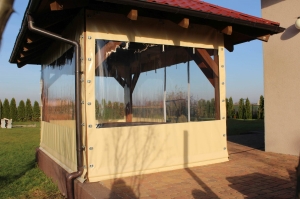
Enclose your pergola with clear side panels
How to Choose the Right Outdoor Curtains for Your Space
Define Your Purpose: Privacy, Shade, or Style?
Start by identifying your main goal. Do you need sun protection from low afternoon sun, shelter from breezes, or privacy from neighbours? Your main purpose will guide your choice of fabric weight, length, and colour.
Knowing your exact requirements makes every step simpler, from picking breathable fabrics to choosing the right mounting hardware.
Select the Best Curtain Fabric for UK Weather
Because the British climate brings frequent rain and damp air, make sure to choose fabrics designed specifically for outdoor use. Look for water-repellent coatings and mould-resistant finishes.
Treated polyester handle damp conditions well and dry quickly after rain. Choosing high-quality materials ensures your curtains look good and perform well across multiple seasons.
Compare Indoor Versus Outdoor Curtain Materials
Using indoor curtains outside is a frequent mistake. Indoor fabrics cannot handle direct sunlight, rain, and humidity. When exposed to outdoor conditions, standard fabrics fade quickly and can develop mould or mildew within weeks.
Proper outdoor curtains use treated fibres that resist moisture, fading, and mildew. Outdoor fixtures and fittings are also coated to resist rust. Investing in genuine outdoor materials prevents the need for early replacements.
Consider Length, Width and Colour Decisions
Outdoor curtains look neatest when they hang about 2 to 5 centimetres above the ground. This small gap keeps hem lines clean, prevents water absorption from wet ground, and makes sweeping easy.
For panel width, choose curtains that match the width of the opening rather than adding extra fabric. Test fabric swatches outside before buying, as natural daylight can change how colours appear in your garden.
Pick Curtain Designs That Match Your Outdoor Decor
Select a curtain style that complements your garden layout. Grommet-top curtains slide smoothly along a rod and offer a clean, modern design. Ensure grommets are made from rust-resistant materials such as galvanized steel or brass.
Tab-top curtains provide a more relaxed, casual look. Track systems and tensioned galvanized steel cable systems offer a sleek, low-profile finish that works well in modern spaces.
How to Install Outdoor Curtains for Maximum Durability
Measure and Plan for Wind, Rain and Sun
Careful planning ensures easy installation and long-term performance. Measure the height and width of your frame. Always take local wind conditions into account, as hanging fabric catches moving air in gusty weather.
Check the angle of the sun during the hours you use the space most. Pay attention to roof runoffs and gutters so rainwater does not pour directly over your curtain tracks.
Choosing Fixings: Tracks, Rods and Tie-Backs
Outdoor hardware must be sturdy and weather-resistant. Use strong rods or tracks made from galvanized steel or aluminium. For wider spans, install central support brackets to keep the rod from sagging.
Tie-backs are essential for securing curtains when open, preventing them from flapping in the breeze. In exposed areas, bottom tie-downs or anchor points help keep panels steady.
Weighting and Securing Curtains Against Breeze
Adding weight along the bottom hem prevents outdoor curtains from blowing around in light winds. You can use weighted hem tape, discreet corner weights, or curtains with built-in weighted channels.
During gusty days, keep panels tied back securely. If severe wind or heavy storms are forecast, it is best practice to take down the fabric panels to prevent strain on your fixtures.
Weatherproofing Tips for Long-Lasting Results
Start by selecting durable, weather-resistant fabrics designed for sun and rain protection. Inspect your fixtures and galvanized steel fittings regularly for wear or loose fixings.
Allow wet curtains to hang open and air-dry fully after heavy downpours. Good airflow keeps fabric fresh and prevents damp spots from forming.
Maintenance Tips to Ensure Outdoor Curtains Stay Looking Their Best
Cleaning and Washing Outdoor Fabrics
Routine care keeps outdoor fabrics clean and bright. Brush away loose dirt, dust, and fallen leaves with a soft brush before grime builds up.
Wash off marks and bird droppings promptly using warm water and a mild soap solution. Many outdoor fabrics can also be washed on a gentle, cold machine cycle. Always air-dry curtains on the line rather than using a tumble dryer, as heat can damage protective fabric coatings.
Preventing Mould and Mildew in the British Climate
Damp British weather can encourage mildew, so choosing mould-resistant fabrics is the first step in keeping curtains clean.
Never leave wet curtains folded or bundled together. If you notice small grey or black spots, clean them straight away with warm soapy water or a gentle fabric cleaner to keep the material in good condition.
Storing Outdoor Curtains Through the Winter Months
To protect your curtains during cold, wet winter months, take them down at the end of the season.
Clean the panels and ensure they are completely dry before storing. Pack them into breathable storage bags and keep them in a clean, dry space such as a shed or garage ready for next spring.
Common Mistakes to Avoid When Using Outdoor Curtains
Using Indoor Fabrics Outdoors
Hanging indoor curtains outside leads to quick deterioration. Indoor textiles lack the protective coatings needed to resist sun exposure and moisture, leading to rapid fading and mildew issues.
Always choose high-quality materials built specifically for garden use. Combining outdoor fabric with durable galvanized steel or aluminium hardware ensures your setup remains functional for years.
Improper Fixing Leading to Damage in Wind
Poorly secured curtains can easily tear or pull fixings out of timber posts in strong winds. Thin rods and loose brackets cannot handle the force of gusting air against wide panels.
Fix brackets firmly into solid timber or masonry. Always use tie-backs when curtains are open, and take panels down during storm warnings to protect both the fabric and your structure.
Neglecting Seasonal Care and Storage
Leaving outdoor curtains exposed through harsh winter frost and driving rain shortens their lifespan. Grime and moisture left sitting on fabric can cause persistent staining.
A quick clean at the end of autumn and proper dry storage through winter keeps the fabric clean and ready for use when warm weather returns.
Enhancing Outdoor Living: Inspiration for Stylish Uses of Outdoor Curtains
Framing Seating Areas for a Cosy Retreat
Hanging curtains around a pergola or patio opening creates a framed, intimate seating area. It turns an open garden into a dedicated outdoor room with privacy and shade.
Pairing curtains with comfortable seating, outdoor throws, and potted plants creates a relaxing garden hideaway for family and friends.
Layering Curtains With Lighting for Evening Ambience
Outdoor curtains look warm and inviting at night when combined with garden lighting. Fabric reflects soft light, creating a cosy atmosphere after sunset.
Hang warm festoon lights or lanterns along curtain tracks and pergola beams. The soft glow against neutral fabric creates an inviting space for evening entertaining.
Combining Curtains With Plants for a Natural Look
Curtains complement garden greenery naturally. Neutral fabric panels provide a calm backdrop that makes colourful flowers and foliage stand out.
Positioning tall planters or climbing vines near curtain fixings softens the structure, blending your outdoor comfort solutions seamlessly with the natural garden environment.