+48 518 537 385
 office@shade4you.eu


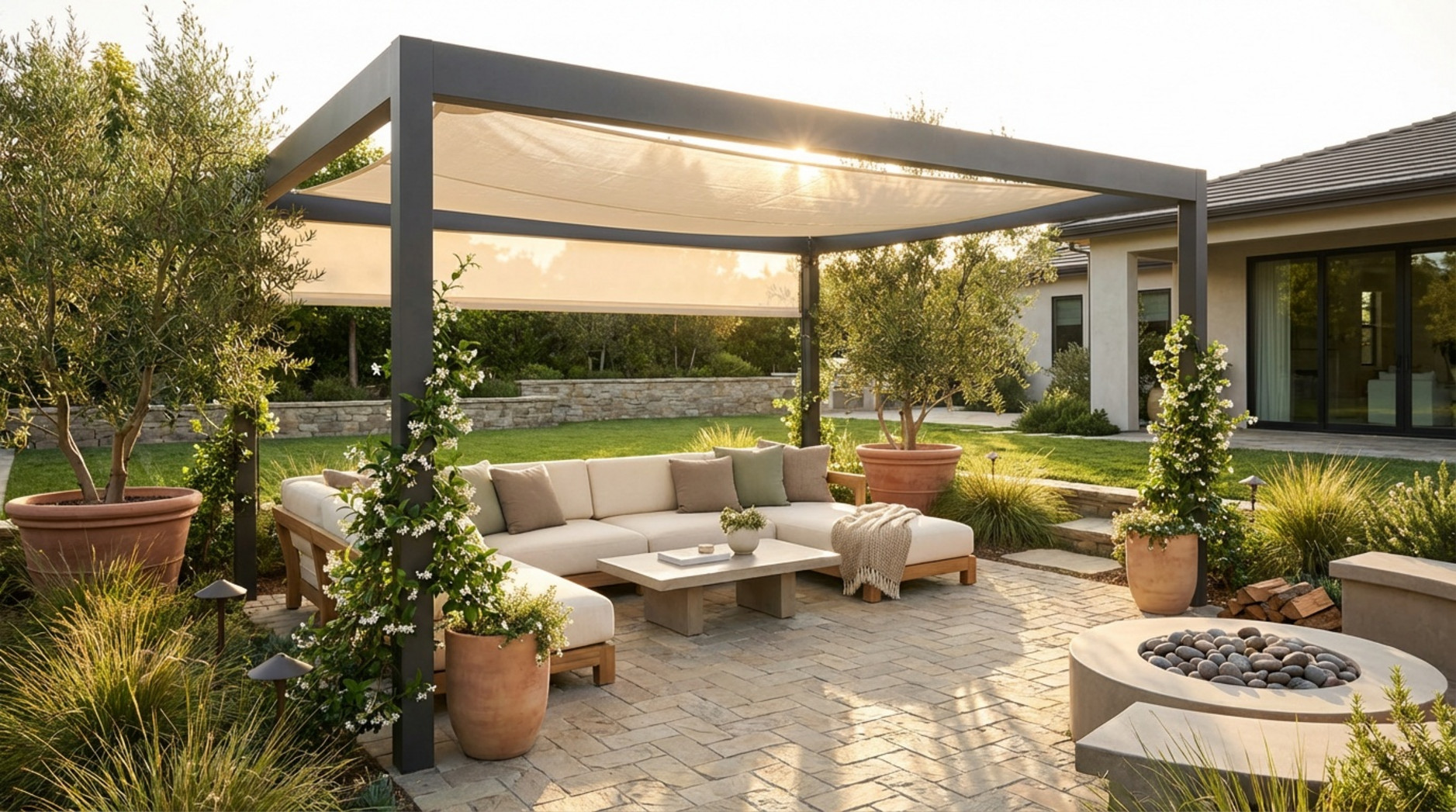
What should you consider before building a pergola to ensure lasting outdoor comfort? A successful project requires planning for the right location, choosing high-quality materials, and deciding on effective sun protection from the start. Read our guide to learn how to create a beautiful, durable, and highly functional outdoor space.
1. Purpose and Use of Your Pergola
The first step is deciding exactly what you want your pergola to do. Your answer will guide your choices for size, location, and materials. Knowing its main purpose ensures the structure actually fits your lifestyle.
What Activities Will Take Place Under the Pergola?
Think about how you will use the space. Will it be a quiet spot for morning coffee, a busy outdoor dining area, or a relaxing lounge by the pool? If you plan to eat under it, leave 3 to 4 feet of space around your table and chairs so people can move easily. A poolside area needs enough room for your loungers, while a hot tub might require added privacy.
Is the Pergola for Shade, Entertainment, or Visual Appeal?
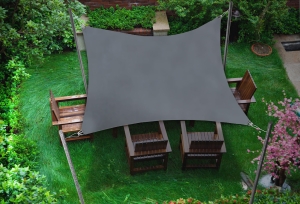
Your goals shape the design. An open-roof pergola looks great but provides very little shade on its own. For true outdoor comfort and effective sun protection, you will need to add a custom shade sail, outdoor Roman blinds, or retractable canopies. If you plan to host guests, you might want to add lighting or speakers. If privacy is your main goal, focus on side panels or outdoor curtains.
Explore our range of pergolas →
2. Choosing the Right Location
Where you place your pergola affects how often you use it. The right location ensures comfort and helps the structure blend perfectly into your garden.
Analysing Sun and Shade Patterns
Watch where the sun moves in your garden throughout the day. A comfortable spot usually gets morning sun and afternoon shade. If the area receives harsh sunlight all day, plan for a shade solution immediately. Pay close attention to the times you plan to use the space most, like early evening for family dinners.
Distance from Home and Accessibility
Think about how you want to access the pergola. Placing it near a kitchen or living room door makes it feel like an extension of your house. A freestanding pergola also works wonderfully as a separate garden feature near a pool or fire pit. Leave about 2 to 3 feet of walking space around it so the area does not feel cramped.
Proximity to Property Boundaries and Utilities
Safety comes first. Always check for underground gas, electric, and water lines before digging to avoid dangerous and expensive mistakes. Look up for overhead power cables, keeping at least 10 feet away. Leave at least 3 feet between the pergola and your property line to respect local rules and prevent issues with neighbours.
3. Sizing and Scale for Your Space
Size matters for both appearance and comfort. A pergola should feel like a natural part of your outdoor space, neither too small nor too large.
Measuring the Available Area
Measure the exact area where the pergola will go. Standard sizes range from 8x8 feet for smaller gardens to 16x20 feet for larger spaces. Always do a furniture test: place your chairs and tables in the marked area and add 3 to 4 feet of walking room around them. This helps you find the true minimum size you need.
Matching Pergola Size to Function and Aesthetics
Height and thickness are also important. Aim for at least 8 feet of clearance under the main beams so the space feels open. For larger pergolas, 9 to 10 feet looks much better. Choose thicker posts for large, rustic homes and lighter posts for smaller, cottage-style properties.
4. Assessing Site Conditions and Ground Preparation
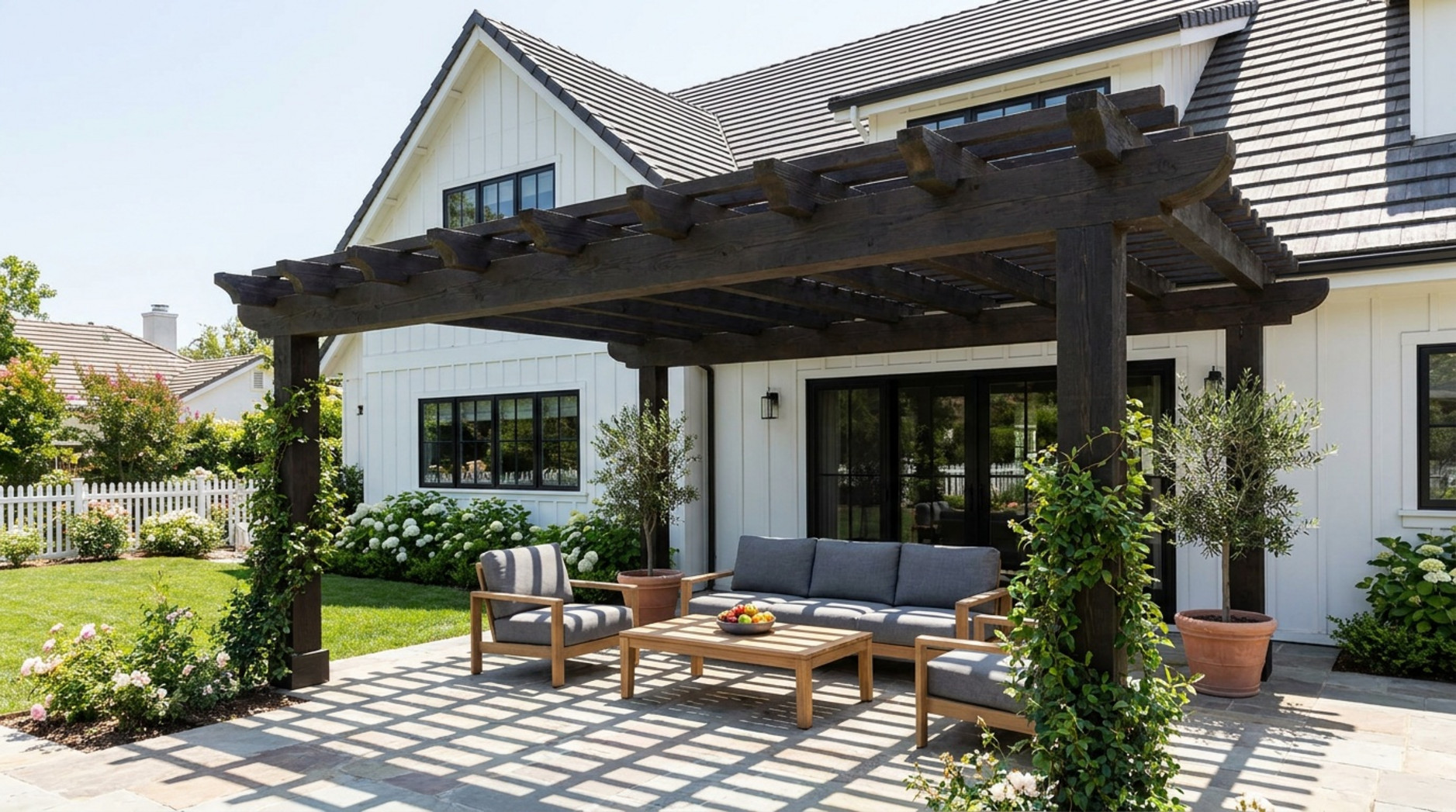
A pergola is heavy and acts like a large frame that catches the wind. A solid foundation is completely necessary if you want it to last.
Checking Soil Type and Ground Level
The ideal base is level ground with soil that drains easily. Avoid places where water pools after rain, as this weakens the foundation over time. If your garden sits on a slope, you may need special footings to keep the structure level. Watch out for large rocks or tree roots that make digging difficult.
Options for Foundation and Anchoring
Concrete footings are the safest choice for a permanent installation. You need holes dug below your local frost line so the ground does not shift in winter. You can then set heavy-duty metal post bases into the wet concrete to attach your posts securely.
Installing on Decks, Patios, or Slopes
Attaching a pergola to an existing surface requires careful planning. You cannot just bolt it to a single paver or deck board. For patios, you must remove pavers, pour real concrete footings, and reset the stones. For decks, the frame must be strong enough to handle the extra weight, which often means bolting posts directly to the joists. We strongly recommend having a professional check the structure first.
5. Permits, Building Codes, and Local Community Rules
Following local regulations helps you avoid fines, delays, and having to rebuild your project.
When Is a Permit Required?
Many local councils require a permit for permanent structures. You will likely need one if your pergola is over a certain height, covers a large area, includes electrical wiring, or attaches directly to your house. Always check with your local planning office before starting.
Meeting Setback and Height Regulations
Zoning rules dictate how close you can build to a property line. If the pergola sits near a boundary, the maximum height may also be strictly limited. Talk with your neighbours early on to prevent any future disagreements.
Homeowner Association Guidelines
If you live in a managed community, read your homeowner guidelines before buying materials. They often limit the size, colours, and placement of garden structures. Getting approval first saves a lot of time and money.
6. Material Selection and Durability
Your choice of material affects the cost, appearance, and how much maintenance your pergola will need. High-quality materials ensure long-lasting performance.
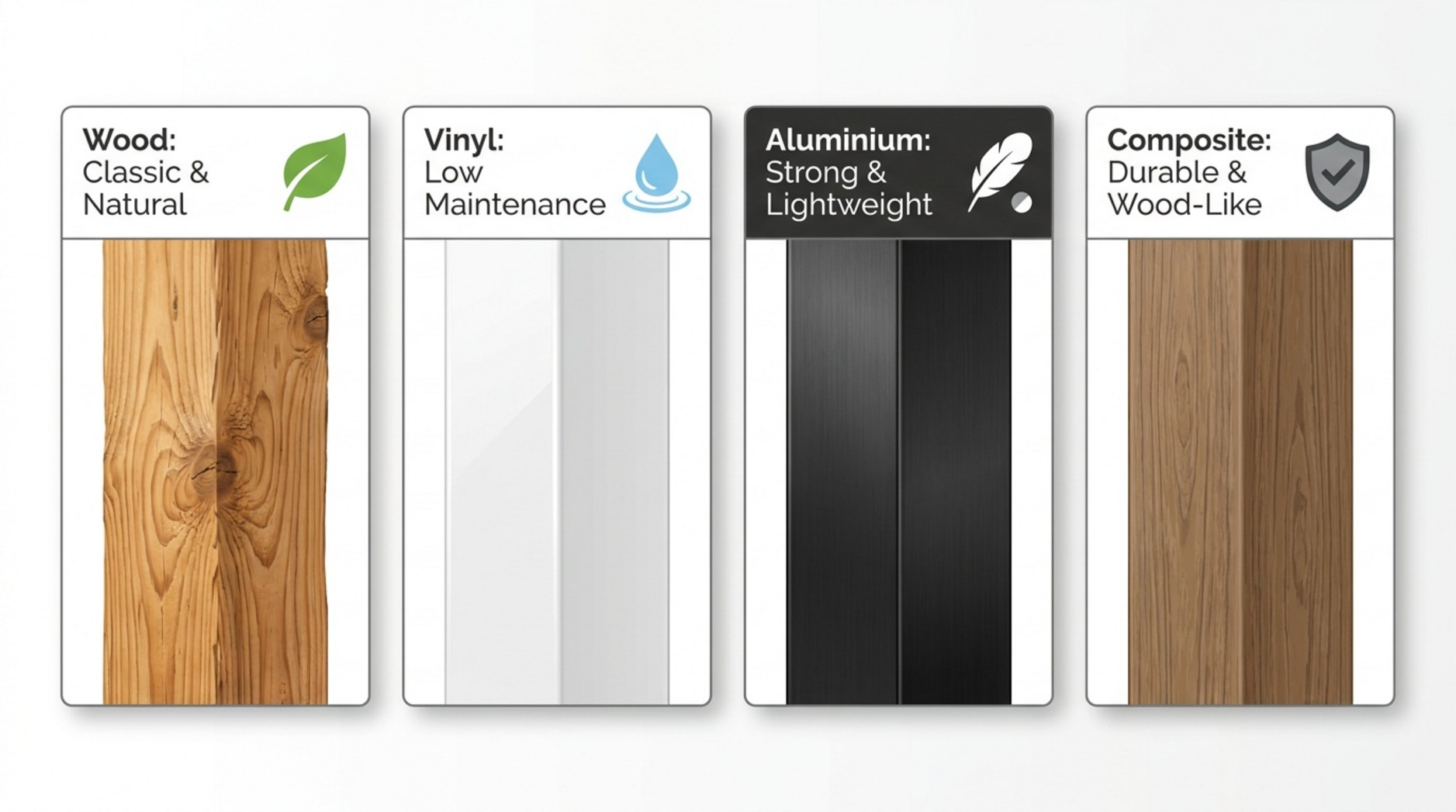
Comparing Wood, Vinyl, Aluminium, and Composite Materials
-
Wood: Offers a classic, natural look. Common choices include cedar and pressure-treated timber. It can be easily painted or stained.
-
Vinyl (PVC): Very low maintenance. It does not rot or warp and usually just needs a quick wash.
-
Aluminium: Strong, lightweight, and rust-resistant. It provides a clean, modern design and handles harsh weather beautifully.
-
Composite Materials: Made to look like wood but resist insects and rot, requiring very little upkeep.
-
Fibreglass: Highly durable and capable of spanning long distances without extra posts, though it comes at a higher cost.
Weather Resistance and Longevity
Your local climate should guide your decision. In wet or coastal areas, aluminium and vinyl require the least upkeep. Quality materials combined with proper care mean a well-built pergola can easily last 20 years or more.
Maintenance Needs and Costs
Wood looks beautiful but needs sealing or staining every few years to prevent rot. Vinyl, aluminium, and composite materials are much easier to live with, generally only needing an occasional clean. Keep these long-term maintenance tasks in mind when choosing your frame.
7. Design and Customisation Options
A pergola is more than just posts and beams. Custom features make the space perfectly suited to your lifestyle.
Roof Type and Shade Control
An open-rafter roof offers very little shade. For reliable outdoor comfort, consider pairing your structure with Shade4You products. Adding our waterproof shade sails or adjustable louvres gives you excellent sun and rain protection. These feature modern designs and easy installation, allowing you to control the shade perfectly.
Integrating Lighting, Screens, and Accessories
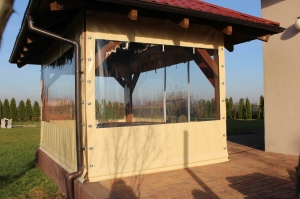
Plan for extras early in the project. Running wires for fans and lights is much easier during the initial build. For added privacy and wind protection, you can easily install tracks for outdoor curtains or weather-rated side screens.
Matching to Home Style and Landscape
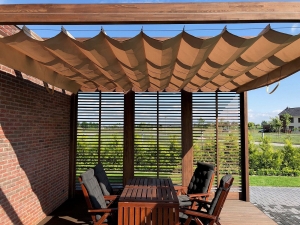
Your new structure should complement your house and garden. Whether your style is modern or rustic, choose colours and finishes that tie the space together. Our outdoor Roman blinds are a great way to add an elegant, tailored finish to any design.
Browse made-to-measure products →
8. Impact of Weather and Climate
Ignoring your local weather can lead to damage and a shorter lifespan for your outdoor space.
Wind Load and Anchoring Requirements
Pergolas can catch the wind easily. In windy areas, you must use extra bracing and deeper concrete footings. Always pick a design and select weather-resistant materials rated for the wind speeds common in your area.
Snow Load Considerations
If you experience heavy winter snow, your structure must support that extra weight. This requires stronger beams and closer support posts to prevent the roof from sagging or failing.
Best Season for Installation
Plan your build for mild weather, ideally in spring or early autumn. Concrete needs the right temperature to cure properly, and avoiding freezing ground or heavy rain makes the job much easier.
9. Budget and Installation Choices
Deciding between a professional build or a DIY project impacts your final costs and overall satisfaction.
Estimating Total Project Costs
Costs vary widely based on size and materials. Simple timber builds cost less, while complex aluminium structures with motorised roofs cost significantly more. Remember to budget for permits, ground preparation, and long-term maintenance.
Building Yourself vs. Hiring a Professional
Building a kit yourself saves money, but requires basic skills, tools, and a helper. Professionals bring valuable experience with local codes and soil types. They usually finish the job much faster and provide a clean, secure finish.
Warranty and Aftercare Services
Always read the warranty details. Most manufacturers cover the frame for a set number of years. If you hire a professional, ask about a labour warranty and who to call if you need future support.
Check out assembly kits for DIY projects →
Frequently Asked Questions About Pergola Installation
Here are clear answers to the most common questions people ask during the planning stage.
Can a Pergola Be Installed on Existing Decking or Patio?
As already mentioned in the Ground Preparation section, yes, but there are strict limits. Decks need a reinforced frame, and posts must bolt securely into the joists below. For patios, you must remove pavers and pour fresh concrete footings. Always seek professional advice for a safe installation.
How Long Does Pergola Installation Take?
A standard kit might take a few hours for a skilled DIY team. Professional installers generally complete a standard project in 1 to 2 days, though complex sites will take longer.
Does a Pergola Add Value to My Property?
Yes. A beautifully planned pergola turns a simple garden into an inviting outdoor room. It adds style and comfort that you will enjoy daily, and it appeals greatly to future buyers.
What Maintenance Does a Pergola Require Over Time?
Wood structures need regular staining to protect against sun and rain. Aluminium and vinyl simply need an occasional wash. Regardless of the material, check the hardware every few months to ensure everything remains tight and secure, guaranteeing durability in variable weather.