+48 518 537 385
 office@shade4you.eu


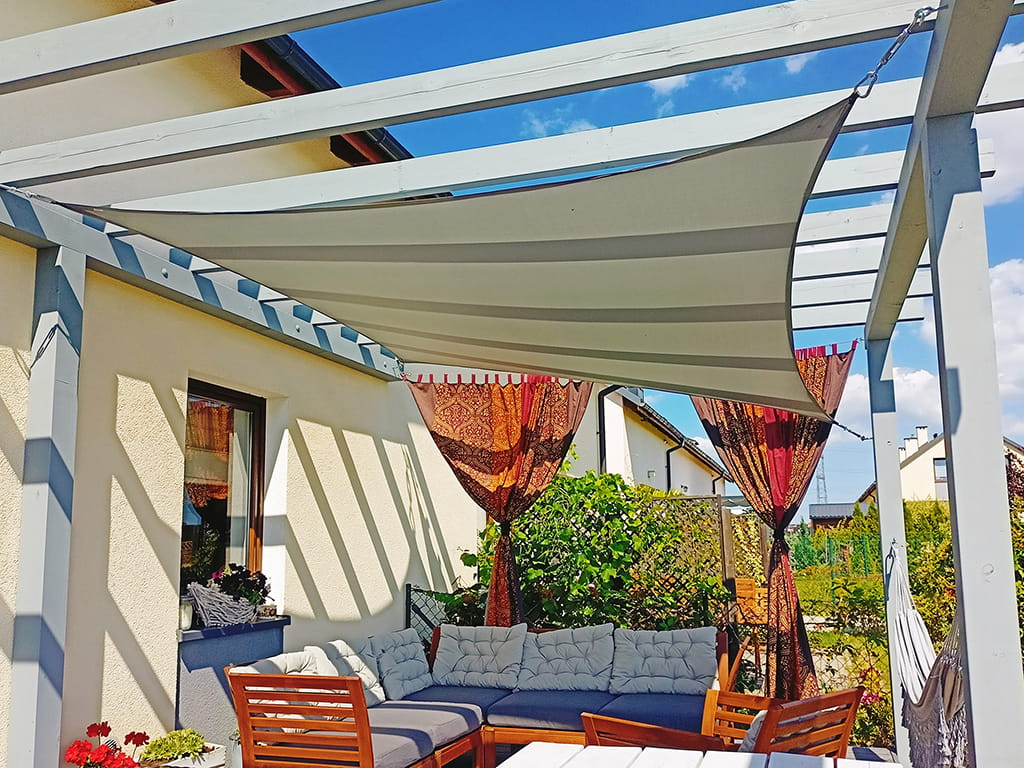
How can you effectively shade your garden or terrace to enjoy comfortable outdoor time even on the hottest days? A sun shade sail provides excellent UV protection and cooling shade, transforming any outdoor space into a stylish, functional retreat.
Before you buy, it is important to consider material quality, proper installation, and your specific layout to ensure your choice delivers lasting durability in variable weather.
What Is a Sun Shade Sail?
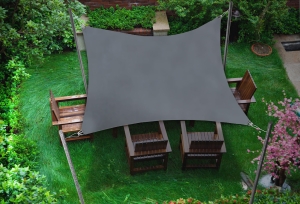
Sun shade sails have become a very popular choice for upgrading outdoor spaces. They offer a stylish and cost-effective alternative to heavy pergolas or large patio umbrellas. A shade sail is a strong piece of weather-resistant fabric-usually shaped like a triangle, square, or rectangle. It is pulled tight and attached to several anchor points to form a protective canopy overhead. Featuring a modern design, it provides effective sun protection while turning an exposed area into a highly comfortable spot.
These flexible covers work perfectly in many environments. You can use one to shade a balcony, create a comfortable play space for children, or cover part of a garden. With numerous colors and sizes available, you can easily match your home’s aesthetic and refresh the look of your yard.
How Does a Shade Sail Provide Protection?
A shade sail’s primary job is to block bright sunlight and reduce your exposure to ultraviolet rays. High-quality products use specialized fabrics, like high-density polyethylene (HDPE), which block a large amount of UV radiation. This UV protection helps make your outdoor time much safer and more enjoyable.
Breathable fabrics also help cool the area underneath. Unlike solid roofs that trap heat, permeable shade sails allow hot air to escape through the material. This airflow prevents heat from building up, lowering the temperature and providing true outdoor comfort. It can also help keep adjacent indoor rooms cooler by blocking direct sunlight from hitting your windows.
Find your perfect shade sail today →
What Are the Benefits and Drawbacks of Sun Shade Sails?
Every outdoor shading solution has distinct strengths and limitations. Understanding both will help you decide if a shade sail is the right match for your home.
What Are the Advantages of Installing a Shade Sail?
Shade sails are widely chosen for several practical reasons:
-
Effective sun protection: High-quality materials block harmful UV rays, protecting your family and guests during summer activities.
-
Modern design and flexibility: Available in many shapes, sizes, and colors, they quickly elevate the visual appeal of any yard or terrace.
-
Cost-effectiveness: Compared to building a permanent roof or pergola, shade sails deliver excellent coverage at a much lower cost.
-
Easy installation and removal: Most sails can be put up and taken down easily, which is ideal for seasonal use or special events.
-
Temperature control: Breathable materials keep the shaded area noticeably cooler, which is a massive benefit in warm climates.
What Limitations or Disadvantages Should You Expect?
Shade sails also come with a few limits to keep in mind:
-
Extreme weather vulnerability: While they offer durability in variable weather, high winds or heavy snow can cause damage. As already mentioned in our safety guidance, they must be properly tensioned to avoid sagging.
-
Shifting shade: Because the sun moves throughout the day, the shaded area will shift. You may need to plan your layout carefully or use multiple sails to ensure all-day coverage.
-
Basic upkeep: Dirt, leaves, and bird droppings can accumulate on the fabric, requiring occasional cleaning to maintain their appearance.
What Factors Should You Consider Before Buying a Sun Shade Sail?
Finding the perfect sail requires balancing function, visual appeal, and long-term performance. Keep the following factors in mind while comparing your options.
Why Is Quality and Brand Reputation Important?
Choosing a reliable manufacturer makes a major difference in how your sail performs. A well-made product features high-quality materials, reinforced edges, and strong mounting accessories. For instance, Shade4You is a European manufacturer known for crafting reliable outdoor shading solutions. Purchasing from an experienced brand ensures that you receive excellent customer support, clear installation advice, and a product designed to withstand outdoor conditions.
How Does Material Choice Affect Durability and UV Protection?
The fabric you select determines how long your sail lasts and how well it blocks the sun. Many high-quality sails utilize HDPE fabric, which delivers excellent UV protection and breathability. When evaluating HDPE options, check the fabric weight, measured in gsm (grams per square meter). A heavier fabric naturally lasts longer and provides better resistance to wind and wear. For areas that require rain protection, polyester-based waterproof materials are an excellent choice.
Should You Choose a Waterproof or Permeable Shade Sail?
This decision depends entirely on your local climate and how you intend to use the space.
Permeable (breathable) shade sails:
Usually made from woven HDPE, these sails block heavy UV rays while allowing hot air to flow out. They are fantastic for heat control but will allow rain to drip through.
Waterproof shade sails:
If you want to keep your outdoor seating dry during sudden showers, waterproof models are ideal. Because the fabric blocks water, it also traps more air, meaning it will be slightly warmer underneath. It is crucial to install waterproof sails with a steep angle-a height difference of at least 3 feet between anchor points-so rainwater runs off easily rather than pooling and damaging the fabric.
Which Size and Shape Work Best for Your Space?
Choose a size and shape that gives you the coverage you need while fitting your available anchor points.
-
Triangular shade sails: Perfect for small corners or creating a layered, decorative look when combining multiple sails.
-
Square and rectangular shade sails: Best for wide spaces like terraces or long balconies. To increase strength and improve the modern design, it is popular to install them with alternating high and low corners (a hypar effect).
Always measure the space you want to cover while considering the sun’s shifting angle. In some cases, setting up Roman shades or multiple custom fixed shade sails provides better all-day coverage than a single large piece.
Browse waterproof shade sails →
What Anchoring Options and Points Do You Need?
Strong anchor points are vital for safety and keeping the sail tight. Common anchor points include reinforced house walls, dedicated steel poles, or thick wooden posts.
If you are adding posts, you must dig deep enough to support the heavy tension of the sail. A general rule is to bury the post about half the depth of its exposed height. Once your anchor points are set, you will use tensioning hardware-usually taking up 1 to 3 feet of space at each corner-to connect the sail tightly to the post or wall.
Does The Color and Design Impact Performance or Aesthetics?
Yes, color affects both the atmosphere and the functionality of the sail.
Light colors reflect sunlight, keeping the space bright. Darker colors absorb more light, often creating deeper shade and a slightly cooler feel. Regardless of color, high-quality materials will always offer strong UV protection. For the best visual result, try overlapping multiple sails and leaving a slight gap between them to prevent the fabrics from rubbing against each other in the wind.
What Is the Difference Between Standard and Custom Shade Sails?
Standard shade sails come in set sizes and shapes. They are budget-friendly, quick to order, and work wonderfully for most standard patios and gardens.
If you have an unusually shaped terrace or need exact measurements, custom fixed shade sails are the ideal solution. As Mikołaj Henschke from the Shade4You team explains: "A creative approach combined with practical solutions ensures that every custom project is not only highly functional but visually stunning." Custom products allow for perfect tailoring, ensuring your shading perfectly fits your specific outdoor spaces.
How to Plan and Measure for Your Shade Sail Installation
Proper planning is the foundation of a successful project. Accurate measurements ensure your sail tensions correctly and looks great.
How Do You Take Accurate Measurements for a Perfect Fit?
You must measure the distance between your anchor points, not just the size of the sail. Shade sails need to be pulled tightly to function properly. Therefore, your anchor points must be set further apart than the actual size of the sail to leave room for the mounting accessories.
Example:
| Sail size (under tension) | Possible anchor-point spacing | Why |
|---|---|---|
| 13 x 13 ft | About 15 x 15 ft to 19 x 19 ft | Room for tensioning hardware (about 1-3 ft per corner) |
If the space between anchors is too small, you will not be able to tighten the sail enough, leading to a sagging fabric that flaps in the wind.
What Is the Importance of Anchor Point Placement?
Anchor placement dictates your shade coverage and handles rain runoff. Think carefully about the sun's path during the afternoon when you need shade the most.
As previously mentioned, if you choose a waterproof sail, a proper slope is critical. Water pooling in the center of the fabric creates massive weight that can break poles or tear the material. Setting your anchors at different heights allows gravity to do the work, keeping your sail safe during rainstorms.
Which Accessories and Features Can Enhance Your Shade Sail?
Using the correct hardware makes installation easier and keeps your outdoor area safe.
What Hardware or Attachment Kits Are Needed?
You need durable mounting accessories to tension the sail correctly. Essential parts include:
-
Turnbuckles: These allow you to tighten the sail perfectly and easily adjust the tension later.
-
Snap hooks and shackles: Used to securely connect the fabric's rings to your anchor points.
-
Eye bolts: Secured into wood or walls to create a connection point.
-
Assembly kits: Complete kits tailored for wood, wall, or metal installations simplify the entire setup process.
Does Adding Poles or Mounts Improve Stability?
If you lack strong walls to attach to, installing dedicated poles heavily improves stability. Poles are designed to handle the intense pulling force required to keep the sail tight. Strong poles minimize flexing, which maintains the sail’s tension, aids water drainage, and helps the structure handle breezy weather safely.
Are There Eco-Friendly Options Available?
Many modern outdoor products incorporate recycled materials into their design. These sustainable options deliver the exact same strength and UV protection as standard fabrics, allowing you to enjoy your outdoor comfort while making an environmentally responsible choice.
What Customization Choices Exist for Personalization?
Beyond selecting specific dimensions, you can further personalize your outdoor spaces by choosing custom finishes. This includes adding extra grommets for tighter fastening, adjusting edges for specific wall shapes, or even printing custom graphics directly onto the fabric.
Check out made-to-measure options →
What Does Shade Sail Installation and Maintenance Involve?
Proper installation and light routine care ensure your shade sail remains beautiful and functional for many seasons.
Is DIY Installation Practical or Should You Hire a Professional?
Thanks to easy installation guides and complete assembly kits, setting up a standard shade sail is a practical weekend DIY project for most homeowners. However, if you are planning a very large custom layout, working with complex roof mounts, or installing multiple overlapping sails, hiring a professional can help ensure that the anchor points are structurally sound and the tension is perfect.
What Are the Maintenance and Care Requirements?
Taking care of your sail keeps the material strong. Over time, outdoor fabrics gather dust and debris.
Routine care includes:
-
Cleaning the fabric: Wash it gently with a soft brush and mild soapy water, then rinse thoroughly. Avoid harsh scrubbing or heavy chemicals.
-
Removing debris: Brush off fallen leaves or twigs so they do not weigh down the fabric.
-
Checking for mildew: Clean any dirt spots quickly to keep the fabric looking fresh and bright.
How Often Should Shade Sails Be Inspected or Adjusted?
You should inspect your sail at least twice a year. Look closely at the tensioning hardware, checking that the turnbuckles are tight and the ropes are not worn. If you notice the sail beginning to sag, simply tighten the turnbuckles to restore proper tension. Catching minor issues early extends the life of your product dramatically.
Key Points to Remember When Choosing a Sun Shade Sail
Adding a sun shade sail is a brilliant way to transform your yard or balcony into a comfortable, inviting living area. Finding the right solution comes down to measuring your space accurately, choosing weather-resistant materials, and ensuring you have strong anchor points for a tight, secure fit.
By taking a little time to plan the layout and select the correct hardware, you will create a beautiful area that offers cooling shade for years to come. Check out our latest collection of shade sails and find the perfect one for your garden! Got questions? Our team is here to help you choose the perfect shade solution.
Common Questions Before Buying a Sun Shade Sail
Here are clear answers to questions you might have before making your purchase.
How Long Do Shade Sails Last?
Depending on the material and weather exposure, a well-cared-for shade sail can last anywhere from 3 to 10 years. Investing in high-quality materials and ensuring proper tension greatly extends the product's lifespan.
Are Shade Sails Fully Waterproof?
Standard breathable sails are not waterproof; they are designed to let water and air flow through. If you need rain protection, you must specifically choose a waterproof model made from coated fabrics.
Do Shade Sails Protect Against Rain and Wind?
Waterproof models protect against rain as long as they are installed on an angle. While a tight sail handles moderate breezes very well, high winds can pose a risk. In stormy weather, it is best to take the sail down to protect both the fabric and your anchor points.
Can You Leave Shade Sails Out All Year?
While extremely durable, shade sails should be taken down during harsh winters. Heavy snow and freezing temperatures can stretch the fabric and damage the hardware. Taking your sail down in the winter ensures it stays in great condition for the next summer season.