+48 518 537 385
 office@shade4you.eu


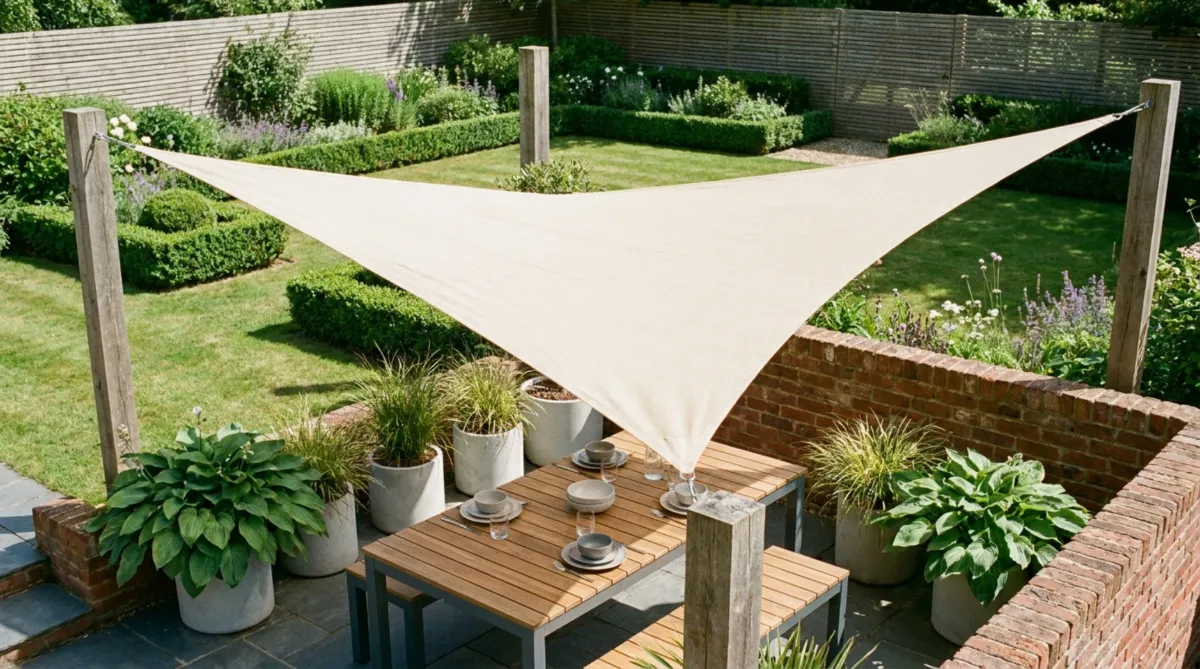
How can you use sun sail shade cloth in your garden beyond standard patio cover? High-quality shade sails offer a flexible way to protect young seedlings, shelter delicate crops, create windbreaks, and bring outdoor comfort to your outdoor spaces.
What Is Sun Sail Shade Cloth and How Is It Usually Used in the Garden?
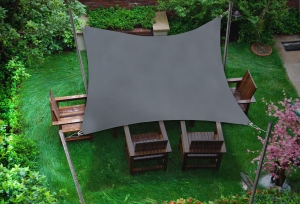
Sun sail shade cloth is a strong fabric sheet pulled tight between sturdy anchor points. Made from high-quality materials, it provides effective sun protection while creating a modern design in any garden, terrace, or patio.
In the UK, people commonly use shade sails to:
- shade outdoor dining areas and patios
- cool down areas around garden pools
- provide cover over driveways and carports
With their clean lines and neat look, shade sails offer a stylish alternative to heavy gazebos or traditional parasols. They fit naturally into both modern and traditional gardens.
Benefits of Sun Sail Shade Cloth for Plants and People
Using shade cloth brings clear benefits for both people and garden plants.
For people:
- It offers effective sun protection and cuts harsh glare.
- Breathable fabrics let heat escape, keeping the seating area underneath cooler and more pleasant.
- It creates a comfortable outdoor space for dining, relaxing, and family time.
For plants:
- It reduces heat stress and helps prevent sun scorch on leaves and fruit.
- It slows down water loss from the soil by reducing direct sun exposure.
- It provides soft, filtered light that helps delicate plants grow steadily.
- It supports healthier crops and can help you enjoy better harvests.
A shade sail also adds an attractive feature to your garden layout, combining practical shelter with modern style.
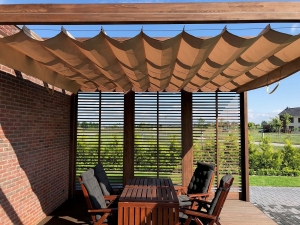
Line your pergola with shade strips
What Makes Sun Sail Shade Cloth So Versatile?
Sun sails work well for many garden projects because of how they are made. Unlike loose sheets or light netting, they are designed to be tensioned firmly, holding their shape and staying secure in changing weather.
Breathability and UV Protection
The type of fabric you choose makes a big difference. For most garden jobs, especially around growing plants, breathable High-Density Polyethylene (HDPE) fabric is a top choice.
Breathable fabric:
- provides effective sun protection while filtering natural daylight
- lets warm air rise and escape, which keeps the area cool underneath
- supports good airflow around plants to help stop fungal issues
This balance of shade and airflow makes shade cloth ideal for unique garden tasks.
Resilience in Different Weather Conditions
British weather can change quickly, so good build quality is essential. Quality sun sails are designed to stay secure in moderate breezes throughout the spring and summer seasons, but in strong winds they should always be taken down to protect the fabric and fixings.
Key design details include:
- curved outer edges that distribute tension evenly across the entire fabric
- strong reinforced perimeter webbing to prevent tearing
- durable galvanised steel accessories and fittings to resist rust and keep tension
- sturdy mounting posts or solid wall fixings
- deep concrete post footings for reliable ground stability
Because shade sails are designed for seasonal sun protection, you should take them down before severe winter weather, heavy snow, or major storms arrive.
Should You Choose Waterproof or Breathable Sun Sail Cloth for Unusual Uses?
When planning a custom garden project, you can choose between breathable mesh fabric and waterproof fabric. Each option performs differently in the sun, wind, and rain.
The right choice depends on whether your project focuses on protecting plants, shielding outdoor gear, or creating a dry seating area.
Comparing Functionality for Unique Garden Projects
Here is a quick look at how the two fabric types compare:
| Feature | Waterproof fabric | Breathable mesh fabric |
|---|---|---|
| Rain protection | Blocks rain | Not waterproof; lets rainwater pass through, which prevents pooling |
| Cooling | Can hold warm air underneath on calm, hot days | Allows hot air to rise through the weave to keep areas cooler |
| Wind handling | Catches more wind, requiring very strong anchor points | Air partially passes through the fabric, placing less strain on fixings |
| Best for | Dry seating, barbecue shelters, covering outdoor tools | Plant care, windbreaks, garden airflow, light summer shade |
For most plant-focused ideas, breathable fabric is usually the best option because it handles breezes well and keeps air moving. Waterproof fabrics and tarpaulins are ideal when you want to keep outdoor furniture or tools dry.
Six Unusual Uses for Sun Sail Shade Cloth in the Garden
Beyond shading a patio table, high-quality shade cloth can solve everyday garden challenges. Here are six practical ways to use it around your garden.
1. Creating a Portable Greenhouse for Seedlings
You can make a simple nursery shelter for young seedlings without building a glass greenhouse. Fix a light, breathable shade sail over a bench or wooden frame in your growing area.
This helps you:
- harden off young seedlings by filtering harsh midday sun
- prevent heat stress on tender young leaves
- stop salad crops like lettuce and spinach from going to seed too quickly
- move shelter easily over potted plants that need a rest from direct heat
This setup works well as temporary protection during the brightest weeks of spring and summer.
2. Constructing Vertical Privacy Screens and Windbreaks
Shade cloth works vertically just as well as it does overhead. Tensioning a sail between vertical posts creates an effective screen for your garden borders.
Vertical shade sails can provide:
- a modern privacy screen around a garden seating corner
- a practical windbreak for sensitive vegetable beds
- a neat divider to separate different zones in your outdoor space
Because the breathable mesh lets air pass through gradually, it reduces wind speed without creating the strong air turbulence often found behind solid fences.
Add privacy with a balcony cover
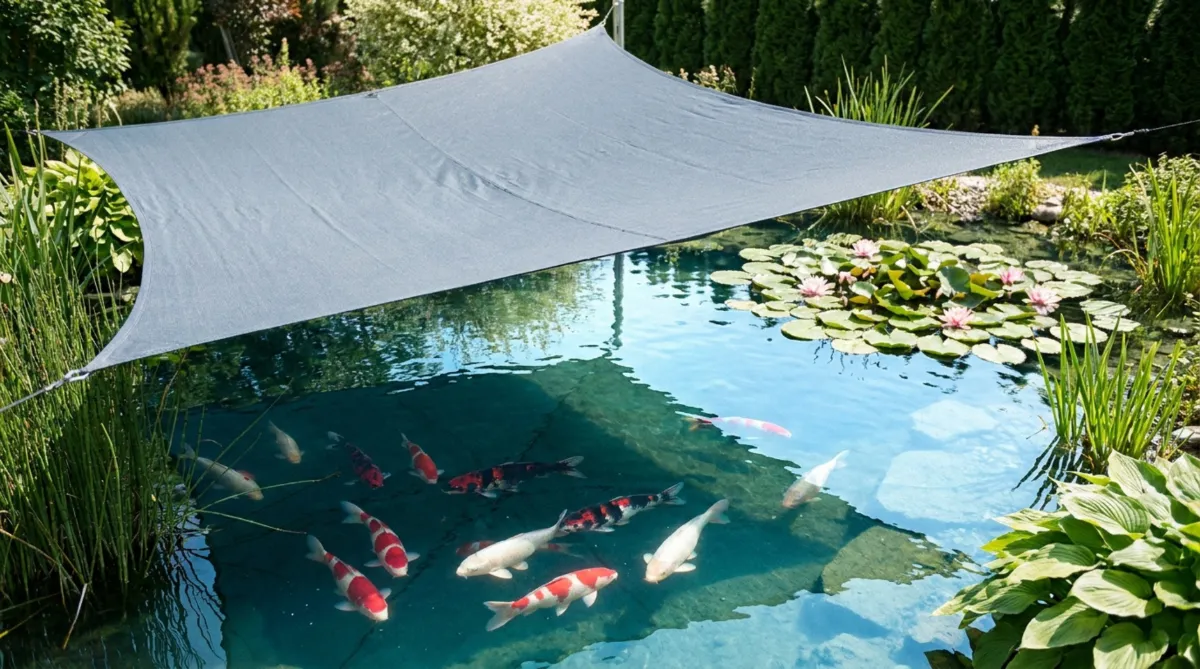
3. Shading Garden Ponds to Reduce Algae Growth
Small garden ponds can warm up quickly under full sun, leading to heavy algae growth and green water. Hanging a breathable shade cloth above one side of the pond helps block excess sunlight.
This setup helps:
- keep pond water cooler during hot days
- reduce algae blooms naturally
- provide shaded, comfortable resting spots for fish
Positioning the sail slightly to one side allows rainwater to enter while keeping the water clear and healthy.
4. Extending Harvest With Frost Protection Tunnels
Breathable fabric can help protect crops from light spring or early autumn chills. While it is not a replacement for winter thermal fleece, placing shade cloth over low garden hoops can slow down heat loss on chilly nights.
Helpful tips for this use:
- secure the edges firmly to the ground so breezes cannot lift the fabric
- vent or remove the cover during warm daylight hours to prevent overheating
- use it during mild seasonal transitions rather than deep winter freezes
This gives your vegetables extra protection at the start and end of the main growing season.
5. Designing Play Areas and Outdoor Classrooms for Children
Strong midday heat can make outdoor play uncomfortable. Shade sails offer a quick way to create cool, shaded zones over sandpits, play equipment, or craft tables.
You can build an engaging play space by:
- combining triangular sails at different heights for wide coverage
- choosing bright colours to create a cheerful outdoor setting
- overlapping sails to ensure complete sun protection throughout the day
These shaded areas allow children to play outside safely and comfortably for longer periods.
How to Install and Secure Sun Sail Shade Cloth for These Applications
Proper installation ensures your shade sail stays safe, tight, and effective. Because sails require firm tension, choosing the right accessories and anchor points is very important.
Choosing Fixings and Supports for Stability
To keep the fabric pulled tight, always use reliable hardware. High-quality galvanised steel fittings provide the strength needed to hold tension and resist weather wear.
Essential fixing hardware includes:
- galvanised steel turnbuckles to tighten and adjust corner tension
- sturdy snap hooks and D-shackles for easy installation and removal
- solid pad eyes and wall plates to spread the load on walls
- strong perimeter webbing built into the sail edges
For freestanding setups, use strong timber or metal posts set into deep concrete footings. When fixing to a house or outbuilding, attach your fittings directly into solid brickwork or structural timber rather than light cladding or single-brick garden walls.
Essential Safety Precautions and Maintenance Advice
A few simple care steps will keep your shade sail in good condition:
- Inspect tension and fixings twice a year to ensure everything stays tight.
- Re-tighten turnbuckles after the first few weeks of use, as new fabric naturally settles.
- Rinse breathable mesh with a garden hose and mild soapy water if dirt buildup occurs.
- Allow the fabric to dry completely before storing it away for the colder months.
Always take your shade sails down at the end of the season, as well as during strong winds, heavy rainfall, or any other adverse weather conditions. Removing the sail in these situations protects both the fabric and your mounting points.
Key Takeaways for Creative Gardeners
Sun sail shade cloth is a versatile addition to any garden. Whether you need to shelter delicate vegetables, cool a garden pond, block wind, or build an inspiring play area, quality shade fabrics provide practical solutions for everyday garden challenges.
Check out our range of shade sails and find the perfect one for your garden! Choose high-quality materials to protect your outdoor space and enjoy reliable outdoor comfort all summer long.