+48 518 537 385
 office@shade4you.eu


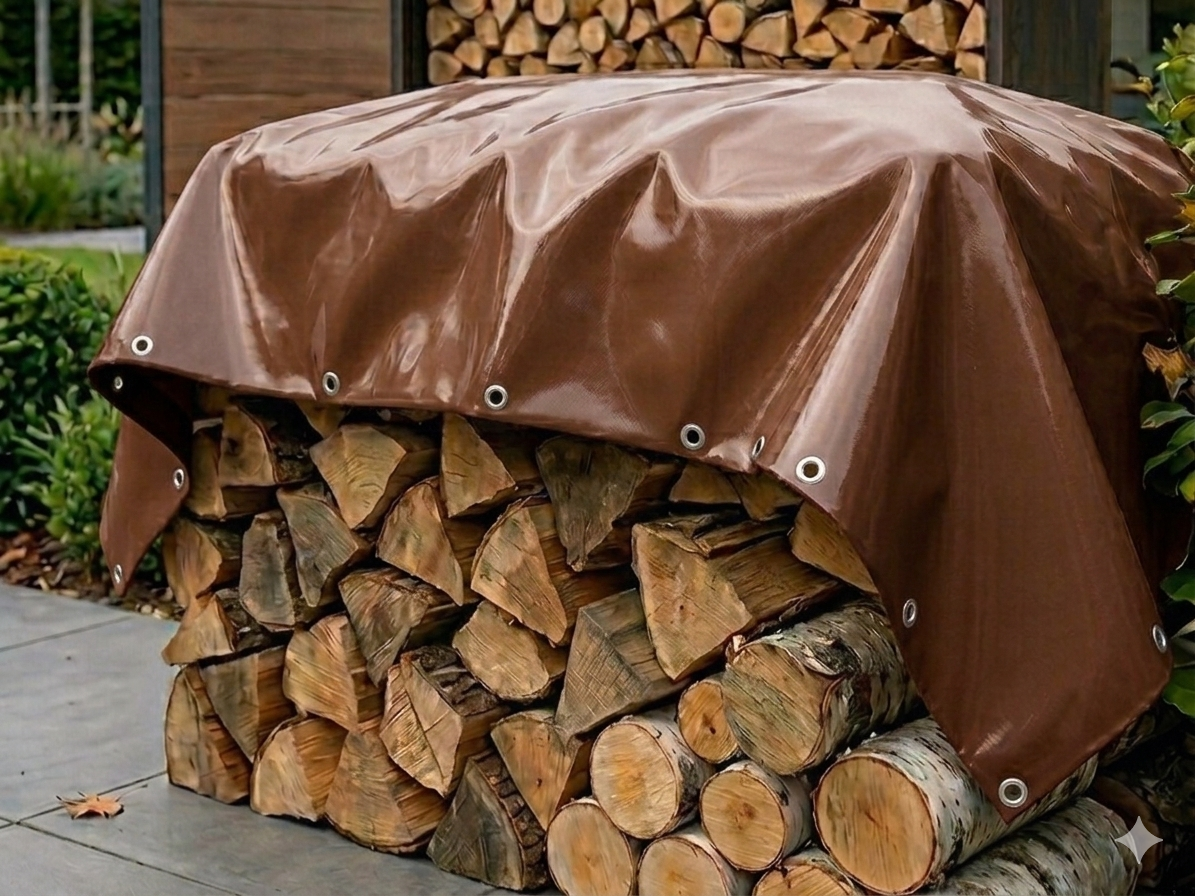
How do you choose the right tarpaulin to protect your outdoor spaces? The best choice depends on what you need to cover and the kind of weather it will face.
This guide explains the different types of tarpaulins, what makes them unique, and how to select the best high-quality materials for durability in variable weather.
What Are Tarpaulin Materials?
A tarpaulin (often called a "tarp") is a large sheet made from strong, flexible material. It keeps water, wind, and dirt away. Most tarps are made from woven plastic or fabric. They usually have a special coating on one or both sides to make them weather-resistant. People use them for many things, like covering outdoor furniture, protecting tools, or creating a dry outdoor space.
Tarps have changed a lot over the years. They started as simple heavy cotton sheets. Today, many are made from modern plastics built for very specific jobs. Because of this, a tarp that works well for camping might not be right for a heavy industrial job. Knowing the materials helps you choose the perfect fit.
Key Properties Tarpaulins Should Have
No matter what material you pick, a good tarp needs to be strong. It must handle being pulled and tied tightly without tearing. It should also be weather-resistant so it blocks rain and moisture.
Other features are very important, too. UV protection matters a lot if the tarp stays in the sun, because sunlight can break down cheap materials. Mildew resistance keeps wet tarps from rotting. Strong metal rings (called grommets) make easy installation possible without ripping the edges. Some special jobs might also need a fabric that breathes or resists fire.
Types of Tarpaulin Materials
There are many materials to choose from. Each one has its own strengths. Here are the most common types.
1. Polyethylene (PE) Tarps
Polyethylene (PE) tarps are very common. They often come in bright colors like blue, green, or silver. They are made from woven plastic and coated on both sides to block water. They work well for simple jobs and cost less.
Benefits
- Lightweight: Easy to carry and move around.
- Low cost: Often the cheapest choice for basic needs.
- Water-resistant: The plastic coating blocks rain well.
- Mildew and rot resistant: Plastic does not grow mold easily.
- UV protection options: Many have a special finish for outdoor use.
Drawbacks
- Less durable: They can tear or get holes easier than heavier tarps.
- Temperature limits: They can get stiff in the cold and soft in the heat.
- Not breathable: They can trap moisture underneath.
Best Uses
- General covers: Outdoor furniture, firewood, and cars.
- Camping: Ground covers and simple shelters.
- Construction: Light covers for dust.
- DIY work: Paint drop cloths.
2. Polyvinyl Chloride (PVC) Tarpaulins
PVC tarps are built for tough jobs. They use a strong polyester base coated with thick PVC plastic. This makes them heavier and much stronger than PE tarps.
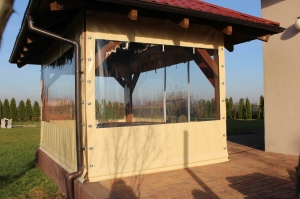
At Shade4You, we use similar heavy-duty clear PVC materials for custom terrace covers because they offer great durability in variable weather.
Benefits
- Very strong: They resist tears, holes, and heavy wear.
- Excellent waterproofing: The thick PVC blocks water completely.
- UV and chemical resistance: They handle sun and harsh chemicals very well.
- Flame-resistant options: Safer for places where fire is a risk.
- Handles more temperatures: They stay flexible in a wider range of weather.
Drawbacks
- Heavy: Harder to fold and carry.
- Higher price: They cost more because they are high-quality materials that last longer.
- Can stiffen in cold: Still works, but feels harder in winter.
- Environmental concerns: Harder to recycle, though more options are growing.
Best Uses
- Truck and trailer covers: Protecting heavy loads during travel.
- Industrial work: Equipment covers and welding screens.
- Agriculture: Covering farm supplies.
- Heavy outdoor storage: Long-term protection for valuable items.
- Sports: Gym floors and boat covers.
3. Canvas Tarps
Canvas tarps are a classic choice made from cotton. They are usually treated with wax to resist water and mildew. Canvas feels soft and lets air flow through.
Benefits
- Breathable: Air moves through, which stops water from building up underneath.
- Strong: The thick fabric handles rough wear well.
- Puncture resistant: Harder to poke holes in than thin plastic.
- More eco-friendly: Natural cotton can break down over time.
- Less slippery: They grip items better than plastic.
Drawbacks
- Not fully waterproof: They resist water, but heavy rain can soak through.
- Heavy: They are bulky to move.
- Can rot: If you store them wet, they can grow mold.
- Can shrink: The cotton might shrink after getting wet.
- More upkeep: You have to clean and dry them carefully.
Best Uses
- Construction: Covering tools and soaking up paint spills.
- Agriculture: Covering farm tools where air flow is needed.
- Camping: Classic setups that need air movement.
- Art and crafts: Studio covers.
4. Nylon Tarpaulins
Nylon tarps are very light and pack down small. They are usually coated with a thin layer of silicone to block water.
Benefits
- Very lightweight: Great for travel.
- Packs small: Easy to put in a bag.
- Good water resistance: The special coating stops rain.
- Strong for its weight: Small tears do not spread easily.
Drawbacks
- Less tough: Easier to poke holes in than heavy PVC.
- Sun damage: The sun can weaken it over time.
- Higher cost: Costs more because of the light materials.
- Not breathable: The coating stops air from moving.
Best Uses
- Hiking: Very light shelters.
- Emergency kits: Great for survival bags.
- Ultralight camping: When low weight is the most important thing.
5. Polypropylene (PP) Tarps
Polypropylene (PP) tarps are like PE tarps but stronger. They handle harsh chemicals much better.
Benefits
- Strong for its weight: Harder to tear than PE tarps.
- Better chemical resistance: Safe around some acids.
- UV protection options: Can be made to handle the sun.
- More recyclable: Easier to recycle than PVC in many places.
Drawbacks
- Can feel stiff: Especially in cold weather.
- Less common: Harder to find in many sizes.
- Price: Costs a little more than basic PE tarps.
Best Uses
- Industrial covers: Places with chemicals.
- Construction: Heavy dust covers.
- Agriculture: Covering crops.
- Transport: Lighter than PVC but stronger than PE.
6. Mesh and Specialty Tarps
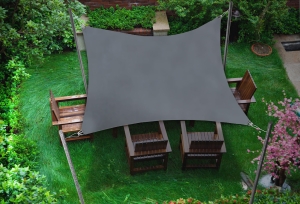
Mesh tarps let air and light flow through. They are often made from high-density polyethylene (HDPE). This material provides effective sun protection while letting the wind pass safely. We often use HDPE for shade sails to keep outdoor spaces cool.
Benefits
- Breathable: Stops heat from getting trapped.
- Better in wind: Wind goes right through, so the tarp does not flap loudly.
- Shade: Protects you from the sun.
- Lightweight: Very easy to hang up.
- Special features: Some are made to resist fire or block static.
Drawbacks
- Not waterproof: Rain goes right through the tiny holes.
- Less dust protection: Dirt can also get through.
- Cost: Special tarps can cost a lot.
- Job-specific: Not for keeping things completely dry.
Best Uses
- Shade covers: Gardens, patios, and outdoor spaces.
- Privacy screens: Fences and balconies.
- Trucks: Covering yard waste that needs air.
- Windbreaks: Slowing down harsh wind.
Material Comparison: Tarpaulin Types at a Glance
Compare the materials side by side to find the best fit for your home or business.
Durability and Strength
For the strongest cover, PVC tarpaulins are usually the best choice. The thick coating stops tears and holes. Canvas tarps are also very tough, but they can rot if left wet. Polypropylene (PP) is a very strong plastic that beats basic PE. Polyethylene (PE) is the weakest of the heavy covers, but good for short jobs. Nylon is light and strong, but not for heavy-duty work.
Water and Weather Resistance
If you need total waterproof protection, PVC tarps are the best. PE and Nylon tarps also block rain well. Canvas is only weather-resistant. Heavy rain can soak right through a canvas tarp. Mesh tarps do not block water at all.
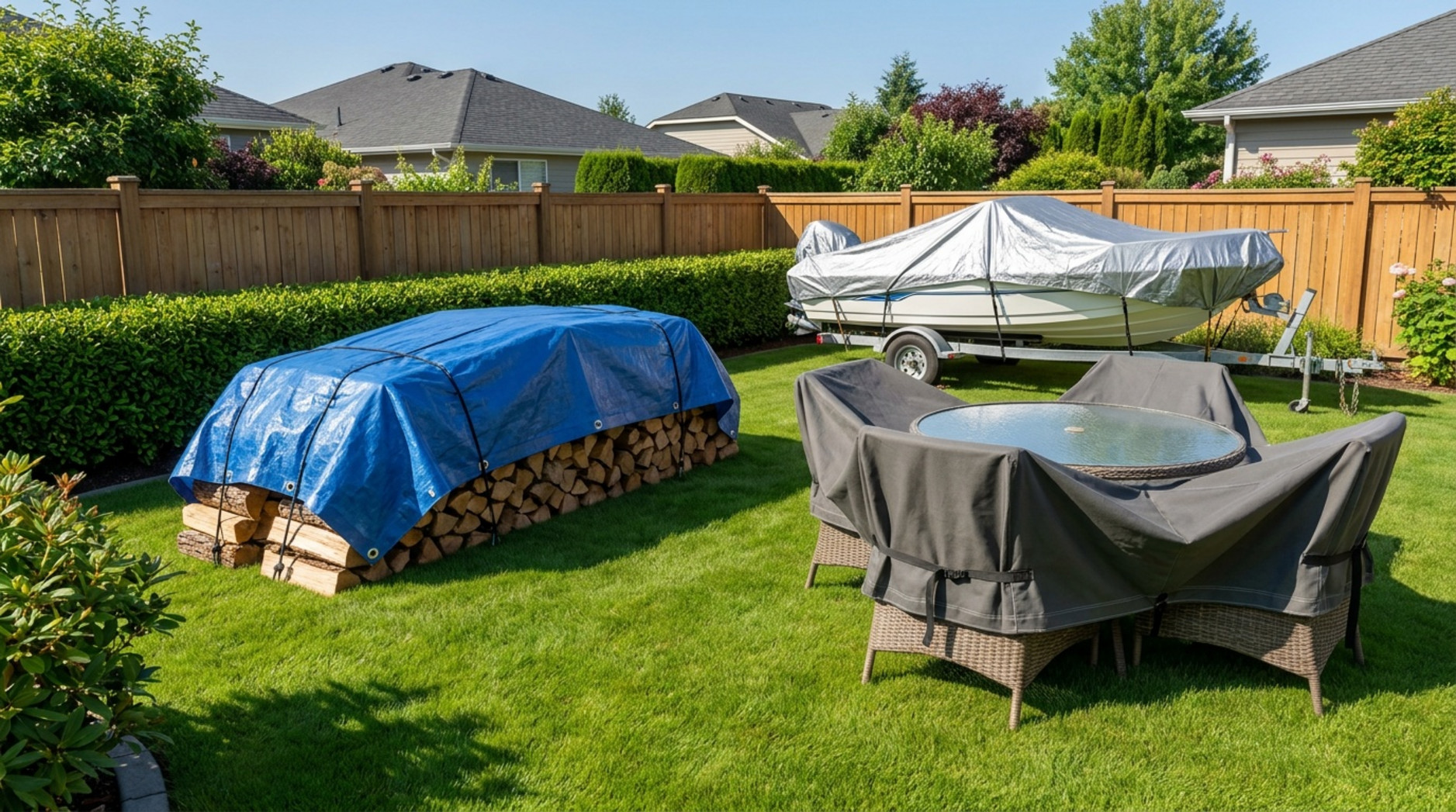
Breathability and Flexibility
Canvas breathes well. This stops water from forming underneath your items. Mesh gives the most airflow. Plastics like PE, PVC, Nylon, and PP do not breathe because their coatings block the air completely. For easy folding, PE and Nylon are best. PVC and Canvas can feel stiff and heavy.
Cost Considerations
PE tarps cost the least. PP costs a little more. Canvas sits in the middle. PVC and Nylon cost the most because they use high-quality materials that last a long time. Always think about how long you need the tarp to last before you buy.
See outdoor protective covers →
How to Choose the Right Tarpaulin Material
To pick the perfect tarp, match the material to your project. Use these simple steps.
Assessing Your Application: Outdoor, Indoor, Industrial, or Transport
First, know what you need the tarp to do. Are you covering simple garden tools, or do you need to protect a boat in the snow? For indoor dust, a cheap PE tarp works fine. For heavy jobs outside, PVC offers the best durability in variable weather. Think about the wind, the sun, and any sharp edges.
What Tarp Thickness and GSM Mean
Thickness and GSM (grams per square meter) tell you how strong a tarp is. A higher GSM means the fabric is heavier and stronger. Thicker tarps resist tearing better.
- A light PE tarp might be 5-6 mil thick and 90-120 GSM.
- A heavy PVC tarp might be 20-30 mil thick and 500-700 GSM.
Always check these numbers. They tell you more about the quality than the words on the package.
Selecting the Right Tarp Size and Shape
Size is very important. Measure your outdoor spaces and add a little extra room to tie the tarp down safely. A tarp that is too small will not protect your items. A tarp that is too big will flap loudly in the wind.
Most tarps are rectangles, but you can find special shapes for pools or machines. Also, check the "cut size." Sometimes the finished tarp is slightly smaller because the edges are folded over.
Color Selection and Visibility
Color changes how a tarp works. Dark colors (black, green) absorb heat. Light colors (white, silver) reflect the sun and keep things cool. Bright colors like yellow are good for job site safety. If you want outdoor comfort and a modern design, pick colors that match your garden or terrace.
Evaluating UV, Flame, and Chemical Resistance
If your tarp stays outside, it needs UV protection. The sun will quickly crack cheap plastics. If you work near fire, choose a flame-resistant material. If the tarp touches oils or harsh chemicals, pick PVC or PP. These cost a bit more, but they keep you safe and last much longer.
Considering Eco-Friendly and Recyclable Options
Some tarps are better for the earth. PE and PP plastics are often easier to recycle than PVC. Canvas breaks down naturally over time. Buying high-quality materials is also eco-friendly, because you will not need to throw the tarp away and buy a new one every year.
Customization and Sourcing Options
Sometimes standard sizes do not fit. Custom tarps are perfect for unique outdoor spaces. At Shade4You, we make custom tarpaulins and covers tailored to your area. This ensures a perfect fit, easy installation, and total outdoor comfort. We can make them with special edges or fixings just for you.
Choosing Tarpaulin Materials: Key Takeaways
Finding the right tarp is about matching the material to your outdoor spaces and the weather. Choose high-quality materials that protect your items and save you money over time. When you pick the right strength and size, you will enjoy lasting outdoor comfort.
Got questions? Our team at Shade4You is here to help you choose the perfect solution. Check out our range of custom covers and find the perfect fit for your home or business today!
Order a clear PVC tarp made to measure →
Frequently Asked Questions
Here are clear answers to common questions about tarps.
What Is the Difference Between Poly, PVC, and Canvas Tarps?
- Poly (PE) tarps are light and cheap. They block water but tear easily.
- PVC tarps are heavy-duty. They handle sun and tough weather the best.
- Canvas tarps are made of cotton. They breathe well but can get wet in heavy rain.
Are Tarpaulins Waterproof or Water Resistant?
It depends on the tarp. Plastic tarps like PVC, PE, and Nylon are usually waterproof. Water cannot pass through them at all. Treated canvas is only weather-resistant. This means it handles light rain, but heavy rain can soak through. Always check the label.
How Long Do Different Types of Tarps Last?
This depends on the material and the weather.
- A thin PE tarp lasts about 6 months to 2 years.
- A UV-treated PE tarp can last 3-5 years.
- Canvas can last up to 10 years if you take good care of it.
- PVC often lasts 5-15 years because it is very strong.
- Nylon breaks down faster in the sun.
Can Tarpaulins Be Recycled?
It depends on the rules in your town. PE and PP tarps can often be recycled. PVC usually needs a special recycling center. Canvas can break down in nature if it has no harsh chemicals. Ask your local recycling center for the best advice.