+48 518 537 385
 office@shade4you.eu


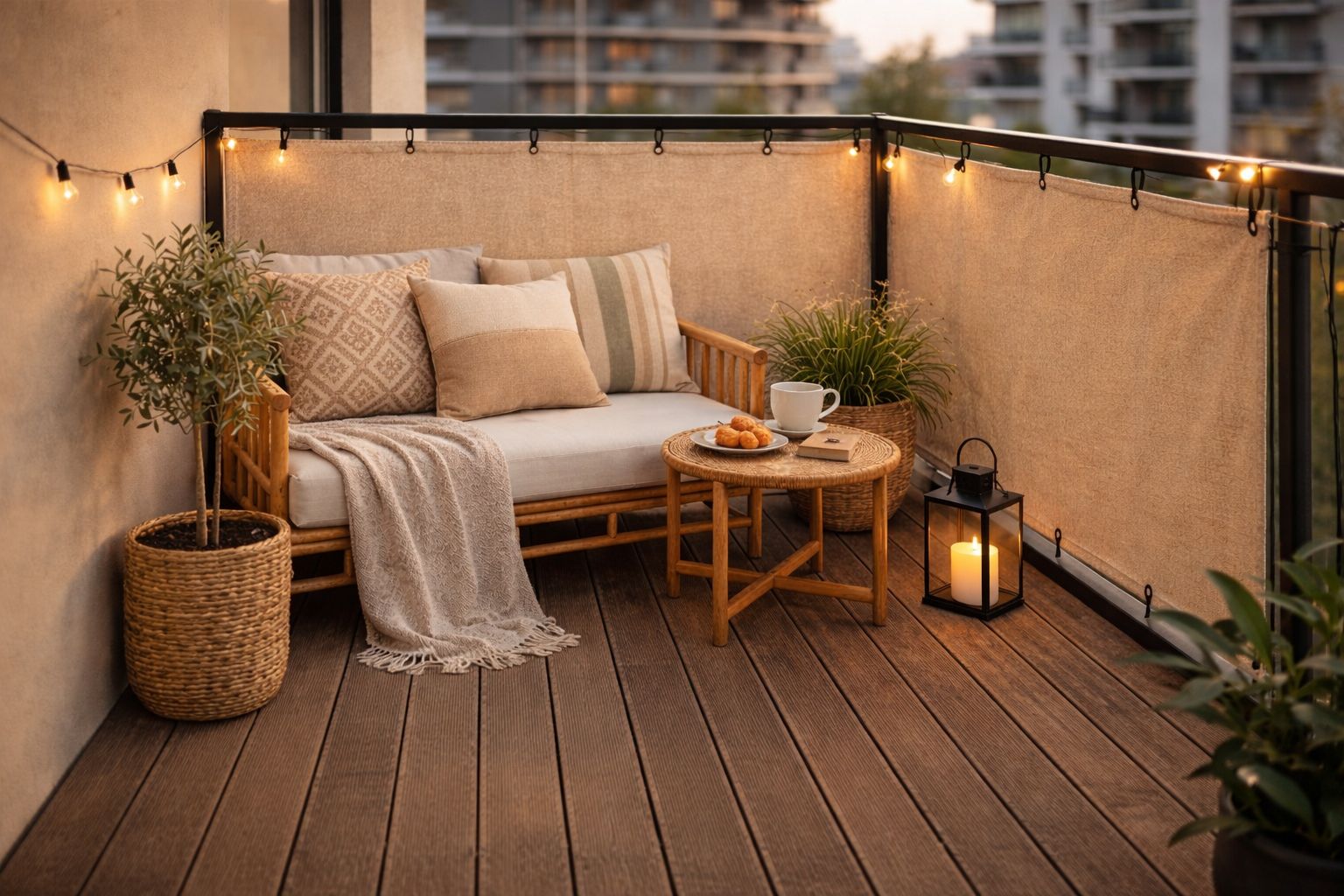
Looking for the best way to add privacy and comfort to your balcony? A high-quality balcony privacy screen blocks unwanted views, provides effective sun protection, and reduces wind exposure, helping you create a comfortable outdoor space.
This guide explains how to choose the right materials and styles to match your home and lifestyle.
What Is a Balcony Privacy Screen?
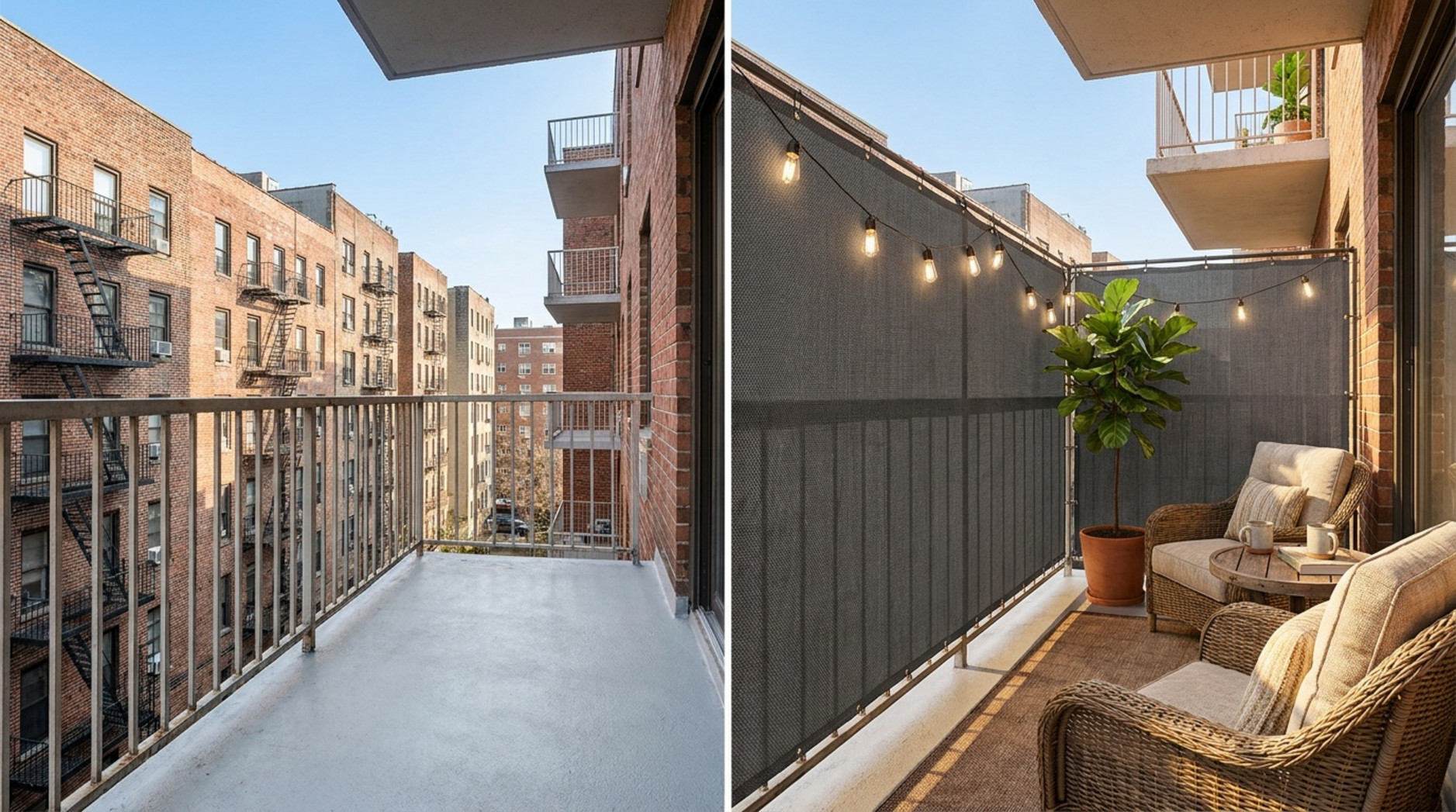
A balcony privacy screen is a barrier that increases outdoor comfort by shielding your space from neighbours and the elements. It is much more than a simple divider. It stops people from looking directly into your home and offers a helpful layer of weather-resistant protection.
Privacy screens can completely change how your outdoor spaces feel. They help block strong wind, add shade on bright days, and make the area feel more secluded.
With many materials, modern designs, and easy installation methods available, a privacy screen helps you turn an open balcony into a private spot for relaxing, dining, or simply enjoying the fresh air.
Types of Balcony Privacy Screens
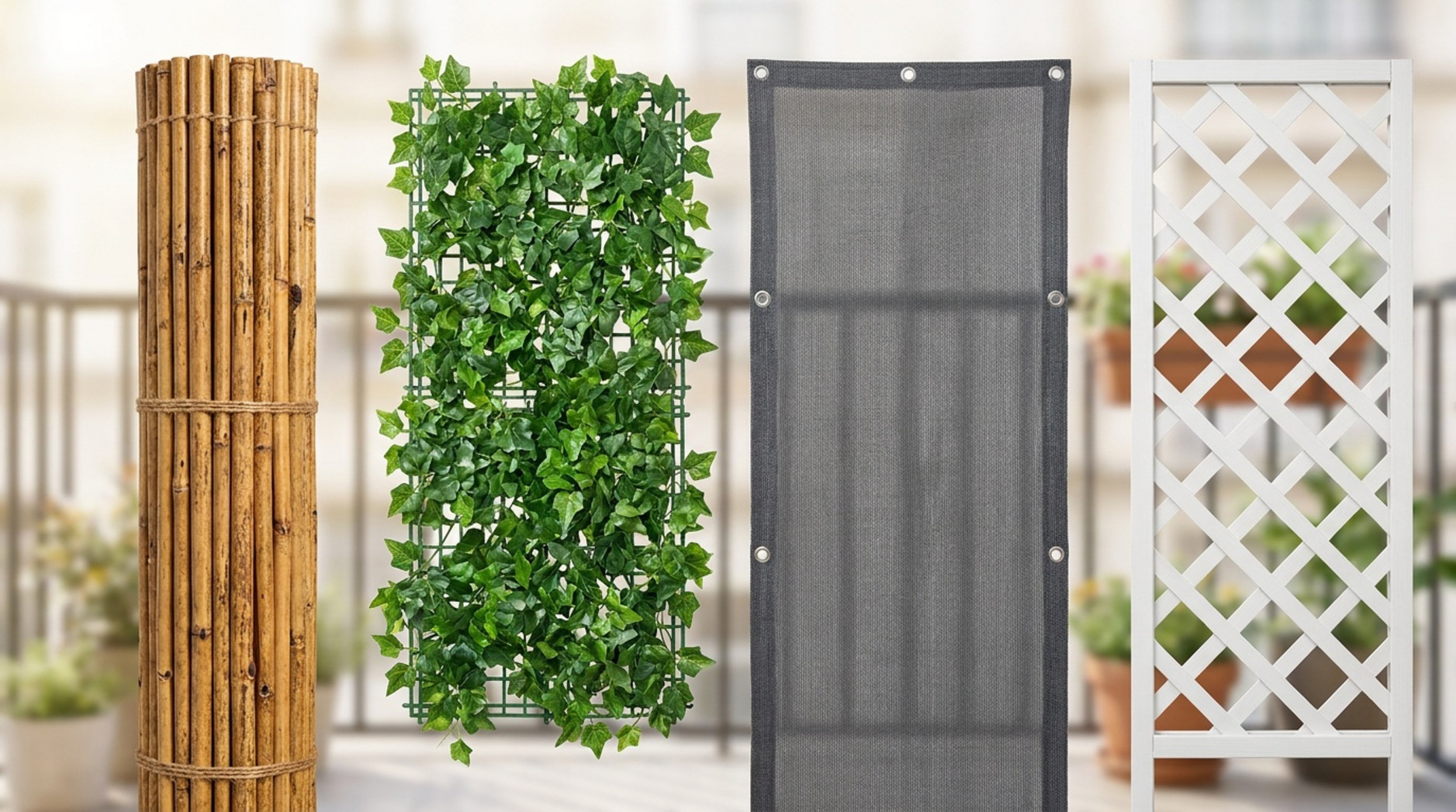
Balcony privacy screens come in many styles. Each type has its own benefits and look. Knowing the main options helps you find the perfect match for your home.
1. Plant-Based Screens
Plant-based screens use real plants to build a living wall. You can use climbing vines on a trellis or tall potted plants like bamboo and small shrubs. They look highly natural and make the balcony feel calm. However, they need a lot of care. You must water them, trim them, and wait for them to grow tall enough to provide true privacy.
2. Artificial Hedge and Ivy Screens
If you love the look of greenery but want to skip the watering, artificial hedge and ivy panels are a good choice. Made from synthetic materials shaped like leaves, they offer privacy right away and stay green all year. They resist fading well, though they lack the natural smell of real plants and can look a bit shiny close up.
3. Bamboo and Reed Screens
Bamboo and reed screens give a relaxed, natural look at an affordable price. They provide good privacy while still letting some air and light pass through. They are light and usually come in rolls that you tie to a railing. Their lifespan depends heavily on your local climate. In damp or harsh weather, natural bamboo can develop mould or wear out after a few years.
4. Wooden and Lattice Panels
Wood and lattice panels are strong, classic options. Wood has a warm look and can be painted to match your style. Lattice panels have an open grid that works nicely for climbing plants, while solid wood offers complete privacy. These screens last a long time, but they need regular painting or sealing to stop rot and weather damage.
5. Fabric and Canvas Screens
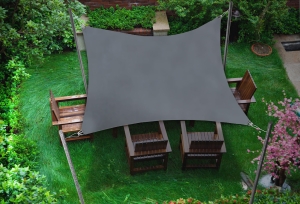
Fabric screens are flexible, durable, and very popular for modern outdoor spaces. Most are made from high-quality materials like HDPE (high-density polyethylene) or acrylic. At Shade4You, we highly recommend custom balcony shades and shade sails for their excellent UV protection and breathability. They are lightweight, feature easy installation with simple ties or grommets, and offer great durability. You can also easily remove them for cleaning or winter storage.
6. PVC and Plastic Screens
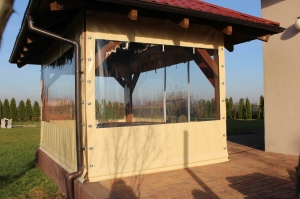
PVC (polyvinyl chloride) and plastic screens are easy to clean. They do not rot or rust. You can find solid panels for total privacy or slatted types for airflow. Clear PVC terrace covers are also a brilliant custom-made option if you want to block wind and rain while keeping your view. The main drawback is that some people prefer natural textures over a plastic finish.
7. Metal and Composite Options
Metal screens (like aluminium or steel) and composite panels are very strong. Metal screens often feature modern designs with cut-out patterns. Composite materials are made from recycled plastic and wood fibres, giving you the look of wood without the heavy upkeep. They handle wind and rain beautifully, though they usually cost more and require a more permanent fitting.
8. Curtain and Shade Solutions
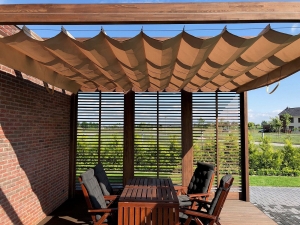
Curtains and shades offer the most flexibility. Outdoor curtains, Roman shades, and retractable shade sails can be opened for a wide view or closed for complete privacy and shade. These are ideal for controlling sunlight throughout the day. They require solid mounting hardware and should be secured safely to stop them from blowing around in strong winds.
Browse balcony privacy screens →
What to Consider Before Choosing a Balcony Privacy Screen
Before buying a screen, think about a few key details to ensure you get a product that perfectly suits your balcony.
Assessing Your Privacy and Light Requirements
First, decide how much privacy you actually need. Do you want to completely block the view from the street, or just make the space feel a bit cosier? Think about sunlight, too. Some materials block all light, while others offer a gentle, filtered shade. Choose a screen that balances effective sun protection with the amount of natural light you want to keep.
Measuring Your Balcony Space
Accurate measurements are vital. Measure the length and height of the railings or the exact area you want to cover. Make sure to note any posts or corners. A quick sketch with your measurements makes shopping much easier. Precise sizing is especially important if you are ordering custom-made balcony screens to ensure a neat, tidy fit.
Local Rules and Condominium Restrictions
If you live in a flat or a managed building, always check the rules before you buy. Many building managers have strict guidelines about what you can attach to your balcony. They might limit the height, colour, or the materials you can use. Checking first saves you from having to take the screen down later.
Safety Considerations for Families and Pets
Safety is the top priority if you have children or pets. Avoid screen designs with wide gaps or horizontal slats that kids could use as a ladder. Make sure the screen is securely tied or bolted so it cannot easily detach. Choose solid, safe materials that will not splinter or crack under pressure.
Design your balcony cover made to measure →
How to Compare Privacy Screen Materials
Once you know what you need, compare how different materials perform in the real world.
Weather Resistance and Durability
Think about your local weather. Does your balcony get hot sun, heavy rain, or strong winds? Look for high-quality materials that offer durability in variable weather. HDPE fabrics, PVC, and composite materials hold up beautifully outdoors. Natural untreated wood or bamboo may struggle and degrade faster in harsh conditions.
Appearance and Aesthetic Match
Your privacy screen should match your home's style. Fabric options give you lots of colour choices, while wood adds warmth. Choose a modern design that looks good with your outdoor furniture and plants. A screen that matches your building makes the whole space feel much more inviting.
Ease of Installation
Think about how the screen attaches. Fabric balcony covers and bamboo rolls offer very easy installation and usually only require basic cable ties or ropes. Heavy wood panels or custom metal screens might need power tools and professional help. Choose an option that matches your DIY skills.
Maintenance Needs
Some screens need regular care, while others are fit-and-forget. High-quality fabric screens, PVC, and composite panels just need a quick wash with soapy water. Wood needs regular staining, and live plants need daily attention. Pick a material that fits the amount of time you want to spend cleaning.
Budget Considerations
Prices vary depending on what you choose. Basic reed rolls and standard fabric screens are usually very budget-friendly. Custom metal panels, clear PVC covers, and retractable shades cost more. Remember to factor in the cost of mounting accessories and any future maintenance when setting your budget.
UV and Wind Protection
For sunny balconies, look for materials that offer high UV protection. Thick HDPE fabrics and solid panels block the sun’s harsh rays, keeping the space cool and protecting your outdoor furniture from fading. For windy spots, choose strong, tear-resistant materials (likely metal).
Customizability and Size Options
Balconies come in all shapes and sizes. If standard sizes do not fit, look for made-to-measure solutions. Choosing a European manufacturer like Shade4You allows you to order custom shade sails and balcony screens tailored exactly to your space, ensuring a beautiful and secure finish.
Best Balcony Privacy Screen Materials for Different Needs
The right screen depends heavily on where you live and how you plan to use your balcony.
Windy Locations
If you live in a very windy area, you need a highly stable material. Rigid metal or heavy composite panels handle wind best. If you prefer fabric, choose a heavy-duty, wind-resistant material with reinforced edges and use strong mounting accessories. As mentioned in the safety section, always ensure the screen is firmly anchored to the railing to stop it from flapping or breaking loose.
Low Maintenance Solutions
If you want to relax rather than clean, choose synthetic materials. PVC, composite panels, and HDPE shade fabrics require almost no upkeep. They resist moisture, do not rot, and can be cleaned quickly with a damp cloth or a gentle hose down.
Green and Eco-Friendly Choices
For a natural space, live plants or responsibly sourced bamboo are great choices. If you want a longer-lasting eco-friendly option, look for composite panels made from recycled plastics and wood fibres. They give a natural look without relying on new plastic production.
Temporary vs. Permanent Installations
If you rent your home, temporary screens are ideal. Fabric balcony shades, outdoor curtains, and bamboo rolls can be put up and taken down without leaving marks. If you own your home, investing in permanent fixed shade sails, heavy wood, or metal panels provides long-term stability and adds value to your outdoor spaces.
Installation Tips for Balcony Privacy Screens
A great screen only works well if it is installed correctly. Proper fitting keeps the screen looking neat and ensures it stays safe.
DIY vs. Professional Installation
Many modern screens are designed for simple DIY fitting. Fabric balcony shades, for example, usually just need mounting ties passed through built-in eyelets. Heavier setups, like custom clear PVC terrace covers or large metal panels, might require a professional to ensure they are safely secured to the building.
Tools and Hardware Required
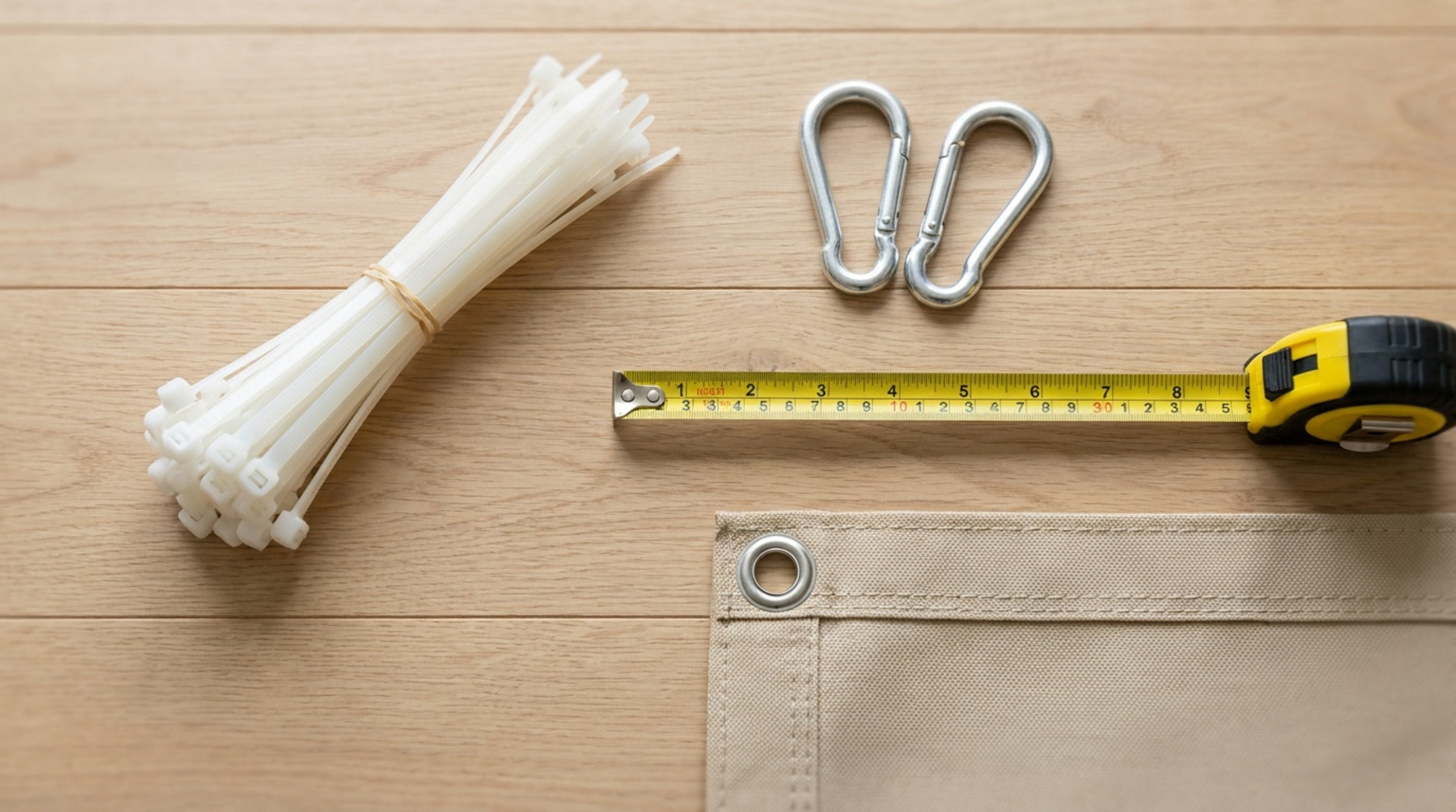
Gather your tools before you begin. For simple screens, you may only need outdoor cable ties, bungee cords, or carabiners. For fixed panels, you might need a tape measure, a level, a drill, and outdoor-rated screws. Always use high-quality mounting accessories designed to handle outdoor weather.
Safety and Stability Considerations
Always put safety first when working on a balcony. Double-check that your railing is strong enough to hold the screen, especially when the wind catches it. Fasten all ties and brackets tightly. A securely fitted screen creates a safe, quiet, and comfortable environment for everyday use.
Conclusion
Choosing the right balcony privacy screen is a wonderful way to improve your outdoor spaces. It is a practical choice that boosts your outdoor comfort, blocks harsh weather, and makes your home look great. By measuring carefully, checking your building rules, and selecting high-quality materials, you can easily find a screen that suits your needs perfectly.
With the right setup, your balcony becomes a peaceful, private retreat for relaxing or dining. Whether you want a simple fabric cover or a custom-made solution, a good screen transforms your balcony into a space you will love using every single day.
If you need help finding the perfect fit, explore the range of custom balcony shades and sun protection products at Shade4You to get started!
See the waterproof balcony screen →
Frequently Asked Questions About Balcony Privacy Screens
Here are answers to common questions people ask when upgrading their outdoor spaces.
Can Privacy Screens Be Used in Apartments or Condos?
Yes, privacy screens are incredibly popular for flat and apartment balconies. However, you must check your building's rulebook first. Once you know the allowed colours and fitting methods, adding a screen is a fantastic way to make your balcony feel like a true extension of your home.
Do Privacy Screens Reduce Noise?
They can muffle sound slightly, but noise reduction is not their main job. Thick, solid materials like heavy composite or PVC panels block a little more noise than thin fabrics. If you live on a very busy street, a privacy screen will help a bit, but its main benefits are visual privacy and wind protection.
Are Privacy Screens Weatherproof?
Most privacy screens are weather-resistant rather than entirely weatherproof. High-quality materials like HDPE fabric, treated wood, and PVC handle rain, wind, and sun extremely well. If you want true rain protection, you can opt for waterproof shade sails or clear PVC covers designed specifically to keep water out.
Can Balcony Privacy Screens Block UV Rays Effectively?
Yes, many privacy screens provide excellent UV protection. High-density fabrics (like the ones we use for our custom shade sails) block a large percentage of harmful UV rays. This keeps your balcony pleasantly cool and helps stop your outdoor furniture from fading in the sun.