+48 518 537 385
 office@shade4you.eu


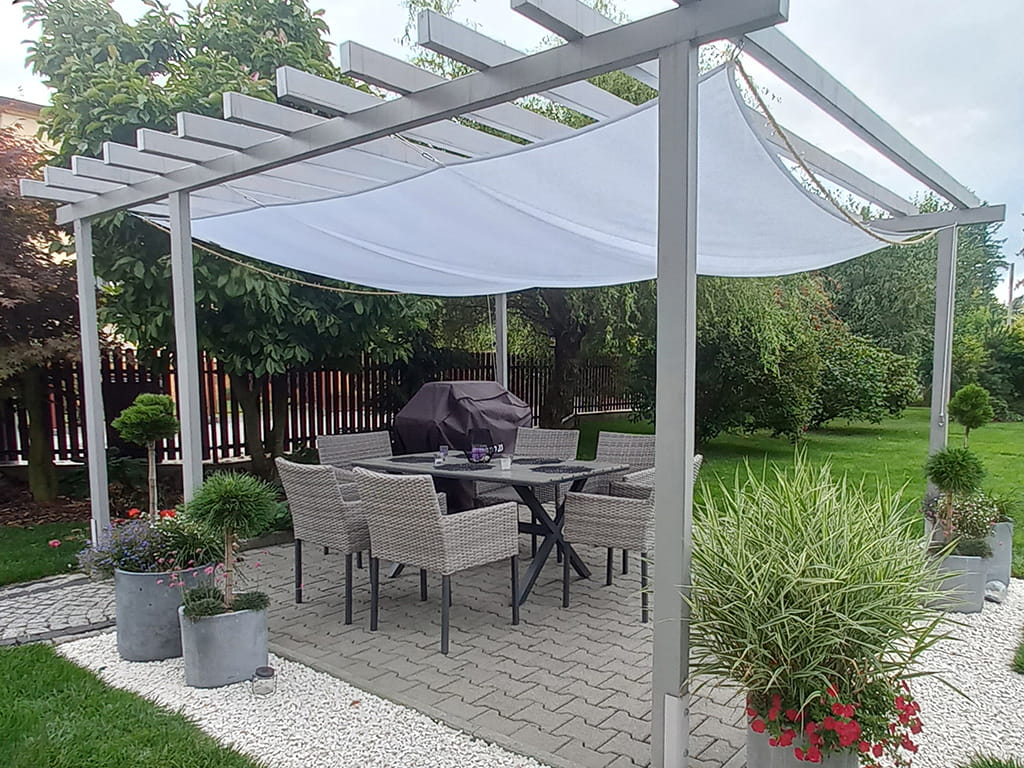
How do you choose the best fabric for a pergola or shade sail? The right material depends on your local weather and whether you need effective sun protection, a rainproof cover, or both.
By matching your needs with high-quality materials like breathable HDPE or waterproof fabrics, you can easily improve your outdoor comfort and create a stylish, functional space.
What to Consider Before Choosing Pergola or Shade Sail Fabric
Before you start looking at fabric types, take a moment to think about your outdoor area and what you expect from the shade. If you are clear on these basics, it is much easier to choose a fabric that works well and looks right.
Purpose: Sun, Rain, or Both?
The main job of the fabric is the biggest factor. Do you mainly want to block UV rays? Do you need a weather-resistant cover for rain? Or do you want something that does a bit of both?
If you care most about shade and airflow, breathable fabrics like High-Density Polyethylene (HDPE) are a common choice. They provide excellent UV protection while letting hot air rise and escape, so the area below feels cooler.
If you want a dry outdoor space during light rain, you will need waterproof shade sails. These hold off lighter showers, but they require a specific setup so water does not collect in the middle.
Location and Climate Factors
Your local weather matters a lot. A fabric that works fine in a calm, sunny area might need more support in a place with strong winds or heavy rain.
In windy locations, breathable shade fabrics often work better because the woven mesh lets air pass through, lowering the pull on the fixing points. Waterproof fabrics catch the wind, so the hardware needs to be much stronger.
If hail is common, breathable fabrics can handle hits better because they have a little give. In humid climates, mould resistance is also important. Thinking about your local weather now ensures durability in variable weather later.
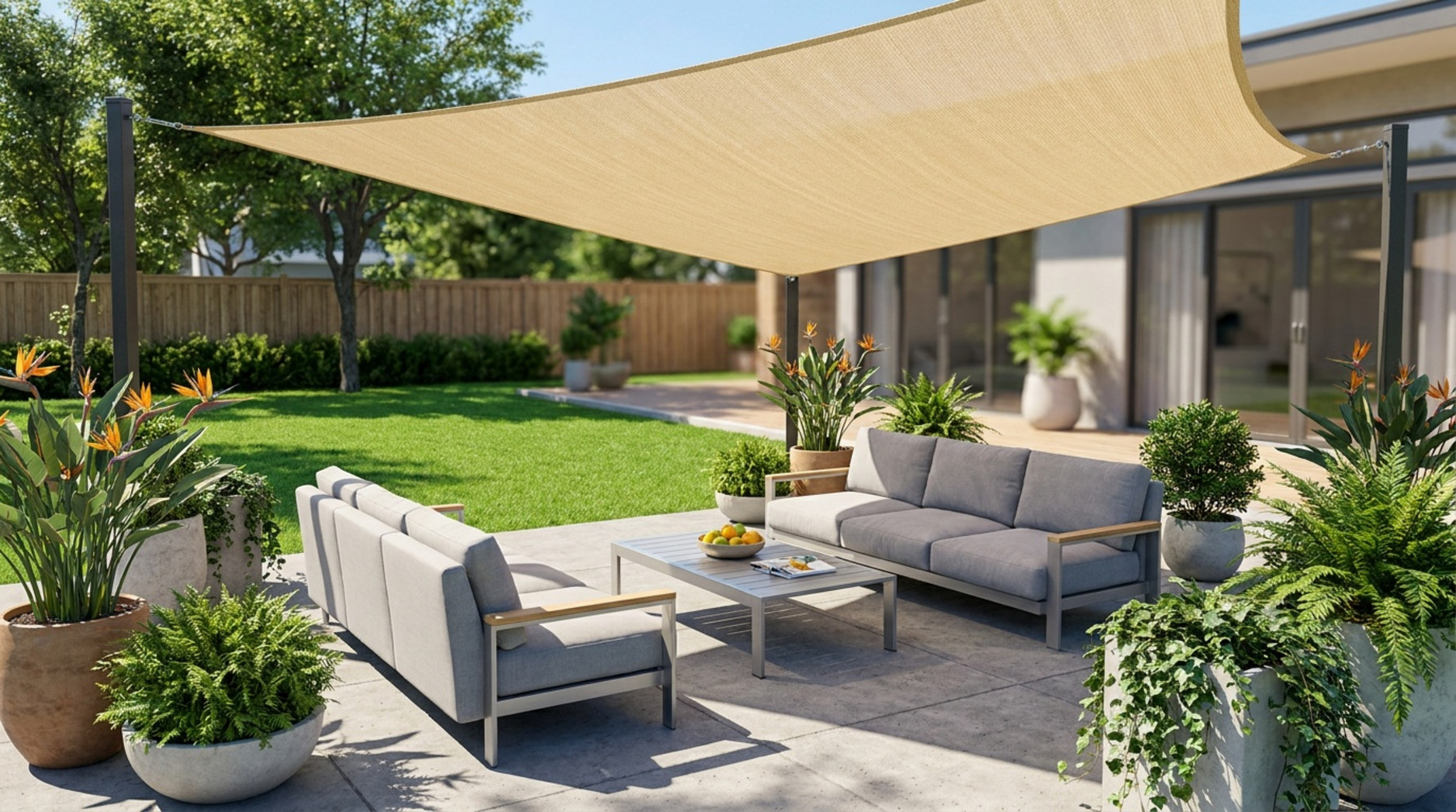
Budget and Maintenance Preferences
Lower-cost fabrics can look appealing, but they often fade faster or wear out sooner. Investing in high-quality materials from the start means fewer replacements over time.
Also, think about maintenance. HDPE is known for low upkeep and usually only needs occasional cleaning. Waterproof fabrics may need more attention, such as checking the tension and ensuring the correct angle for runoff. If you know how much upkeep you are willing to do, you can pick a fabric that fits your routine perfectly.
Compare breathable HDPE shade sails →
Key Factors Impacting Fabric Selection
After you know your main needs, you can compare fabrics using a few key features. These details help you choose a shade that performs well and looks good.
Durability and Lifespan Expectations
How long the fabric lasts depends on how well it resists tearing and damage from the sun. Fabric weight, listed as grams per square metre (gsm), helps you judge strength. A heavier fabric, like a 320 gsm mesh, will usually be stronger than a lighter 180 gsm option, offering better tear resistance and overall toughness. Choosing a durable fabric means your shade sail will keep its shape for years.
UV Protection Ratings and Safety
These fabrics are not just for comfort-they also provide effective sun protection. Look for high UV blocking or a high UPF rating. High-quality HDPE shade sails and premium waterproof fabrics are excellent choices.
This matters most for places where people stay outside for long periods, like playgrounds, pool areas, and outdoor dining spots. Strong UV protection makes the space safer and much more comfortable.
Wind Resistance and Weather Performance
Wind performance is very important. Breathable fabrics handle wind well because air moves through the weave, putting less force on the fabric and anchors. Waterproof fabrics work wonderfully in rain, but because they catch air, they put more load on the posts. As mentioned earlier, they also need to be installed at a steep angle to handle heavy rain without stretching.
Colour, Texture, and Visual Appeal
Function matters, but looks matter too. Shade sails are popular for their modern design and wide colour choices. Darker colours can reduce glare and create sharper lines, while lighter colours keep outdoor spaces bright and open.
Texture also plays a role: an open HDPE mesh lets more light through than a solid coated fabric, changing the overall mood of your patio or garden.
Ease of Cleaning and Maintenance
Most people want shade that is easy to live with. Many shade fabrics are simple to clean. Usually, mild detergent, water, and a soft brush are enough, followed by a good rinse with a hose.
Avoid strong chemicals like bleach, as they can damage the fabric’s UV protection. Checking the hardware now and then, and storing the fabric properly when not in use, will also help it last longer.
Common Types of Fabrics for Pergolas and Shade Sails
There are several common fabric choices, and each has its own strengths. Knowing the basics makes it easier to match the fabric to your goals.
High-Density Polyethylene (HDPE) Features
HDPE is one of the most popular materials for garden shade sails. It uses a knitted mesh that gives a strong mix of benefits, including high UV blocking and great resistance to fading. Because HDPE is breathable, hot air can escape upward, so the space below feels cooler.
This airflow also helps in windy places. While HDPE is not fully waterproof, a tightly tensioned and angled sail can let rain drain off while reducing how much water gets below. It needs little upkeep and naturally resists mould.
PVC-Coated Fabrics: Benefits and Drawbacks
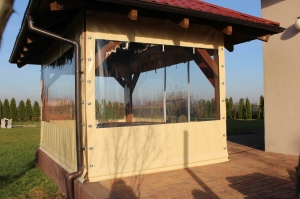
PVC-coated fabrics, often used for clear terrace covers or heavy-duty tarpaulins, offer strong durability. The coating makes them very waterproof, so they protect well from rain and debris. However, PVC fabrics often come in fewer colours and have low airflow. Because they are not breathable, heat can build up underneath, and you will need robust fixing points to handle wind loads.
Acrylic Canvas: Durability and Appearance
Acrylic canvas is known for lots of colour choices and a premium feel. It is woven, so it is less breathable than HDPE mesh. It holds colour well and resists fading, but it usually needs moderate cleaning to prevent mildew and keep it looking fresh. It is a solid choice when you want both performance and a refined style.
Polyester and Other Options
Polyester covers a wide range of products. Basic PU-coated polyester provides a good weather-resistant barrier for outdoor spaces. When manufactured to high standards, polyester and advanced polypropylene blends are highly waterproof and resist fading beautifully. Proper installation ensures these fabrics will not stretch or wear out prematurely.
Comparing Waterproof and Breathable Fabrics
Choosing between waterproof and breathable fabric is a big decision because it affects comfort, rain cover, and wind handling.
Waterproof Fabrics: When Are They Necessary?
Waterproof fabrics are needed when you want a completely dry area. They work well for outdoor dining areas and covered patios. However, they come with strict setup rules. To stop water from collecting, the sail must be tensioned correctly and installed with a strong slope-usually a minimum tilt of 25%. Without this angle, water can pool and damage the fabric. They also trap heat more because air cannot pass through.
Advantages of Breathable Materials
Breathable fabrics focus on comfort in sunny weather. Their mesh weave lets air flow out, reducing heat buildup. Because wind can pass through, they put less stress on anchors and handle gusts better. While not completely waterproof, many are mould-resistant and tear-resistant, making them a very dependable long-term option.
How Rain and Heat Impact Your Choice
If heavy rain is common and you want a dry space, a waterproof fabric with a correct slope is the right match. If your weather is mostly hot and sunny, breathable fabric usually feels better because it keeps airflow moving. Both options offer fantastic outdoor comfort when matched to the right climate.
Sizing, Style, and Installation Considerations
Fabric choice is only part of the project. Size, shape, and easy installation methods affect how stable and good-looking the final setup will be.
Measuring Your Pergola or Shade Sail Area
Good measurements are the base of a good result. Measure between the actual fixing points where the hardware will connect. The finished sail is usually made slightly smaller than these distances so you can add proper tension. Trying to match the sail exactly to a pergola frame often leads to poor tension and a messy look.
Shape, Height Variation, and Attachment Points
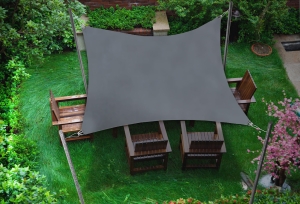
Pergolas give you a ready frame for fixing points. A key design rule for shade sails is creating height variation between corners to form a twisted "hypar" shape. This means opposite corners are set at different heights.
This twist helps the sail stay tight, improves stability, and ensures water drains easily. Fixing points must be strong enough to handle the loads from a tensioned sail, so using sturdy stainless steel hardware is highly recommended.
Custom vs. Standard Fabric Options
Whether you choose standard sizes or something tailored depends on your space. Standard sails are quick to install and look beautiful in open backyards. However, if your pergola has unusual sizes or odd angles, custom fabric is often the better route.
At Shade4You, we offer both standard options and custom made sun shade sails to ensure you get a perfect, clean fit for your home or business.
Benefits of Choosing the Right Fabric for Your Outdoor Space
Taking time to choose the right fabric pays off in comfort, safety, and visual appeal.
Comfort and Usability Improvements
The right fabric turns a hot patio into a shaded spot you will actually want to use. With good shade, you can spend more time outside, from morning coffee to evening meals. It reduces glare and makes seating areas and play spaces much more pleasant.
Energy Savings and UV Protection
Shade fabrics protect your health by blocking UV rays, lowering the risk of sunburn. Additionally, shade can reduce indoor heat if it blocks direct sun from your windows, which might even lower your air conditioning bills.
Aesthetic Upgrades to Your Patio or Garden
Fabric changes the entire look of your outdoor area. With a modern design and clean lines, a shade sail can make an open space feel like a defined outdoor room. It is a brilliant way to upgrade how your yard feels and add appeal to your property.
Frequently Asked Questions About Pergola and Shade Sail Fabrics
Do fabrics block rain or just sunshine?
It depends on the fabric you select. Breathable fabrics like HDPE are mainly for UV protection and shade. They can reduce light rain if angled properly, but water will eventually pass through. Waterproof fabrics are made to stop rain entirely, but remember they must be installed with at least a 25% slope to prevent water pooling.
What is the best way to maintain the fabric?
Clean regularly with mild detergent, water, and a soft brush, then rinse well with a hose. Avoid strong industrial cleaners or bleach, as these degrade the UV protection. In humid areas, deal with mildew early using water and white vinegar. If bad weather is coming, storing waterproof sails in a dry place helps them last longer.
Can I install the fabric myself?
Yes, many small projects offer easy installation and can be done yourself, especially when fitting fabric to an existing pergola. However, tensioned shade sails need accurate measuring and height differences for stability. For large or complex setups, consulting an expert ensures your fixing points are strong enough to safely handle the wind loads.