+48 518 537 385
 office@shade4you.eu


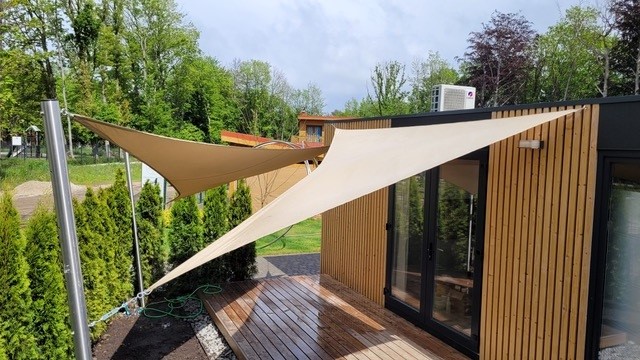
Terrace Sails: Sunshade or Waterproof – Which Should You Choose?
Quick Answer
The choice between sunshade (breathable) and waterproof terrace sails depends on how you use your outdoor space.
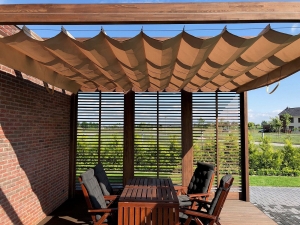
Waterproof sails (PVC or Decor) provide protection from rain and approximately 90–95% shade, but require proper installation with slope and water drainage.
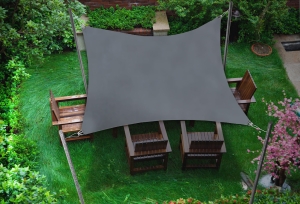
Breathable sails (HDPE or Mesh) allow air and water to pass through, are easier to install and maintain, but do not protect from rain.
Introduction
Choosing the right terrace sail is not only about appearance, but primarily about functionality. The material directly affects comfort, installation requirements and long-term performance.
While all sails provide shade, the difference between breathable and waterproof materials becomes very noticeable in everyday use — especially when weather conditions change.
This guide explains the practical differences to help you choose the right solution.
What Types of Terrace Sails Are Available?
There are two main categories:
Waterproof sails
Made from:
• PVC
• Decor (waterproof fabric)
They create a sealed surface that protects against both sun and rain.
Breathable (sunshade) sails
Made from:
• HDPE
• Mesh
They reduce solar radiation while allowing airflow and water permeability.
Waterproof Terrace Sails – Advantages
Protection from rain and sun
Waterproof sails allow continued use of the terrace even during rainfall.
High shading performance
PVC and Decor materials provide approximately 90–95% shading, effectively reducing heat and solar exposure.
Improved thermal comfort under solid roofs
When installed under structures like glass or polycarbonate roofs, they reduce heat build-up by blocking direct sunlight.
Easy cleaning
• Decor – machine washable (no spinning, standard detergents)
• PVC – can be cleaned with water or pressure washers
Controlled water drainage
When installed correctly, water can be directed away from the sail in a controlled way.
Waterproof Terrace Sails – Disadvantages
Requires slope
Water must not collect on the surface. Lack of slope can lead to:
• material deformation
• excessive load
• damage to mounting points
More demanding installation
Planning drainage is essential for proper function.
Reduced airflow
Waterproof materials create a more enclosed space compared to breathable fabrics.
OPTIONAL DRAINAGE EYELET – Practical Solution for Decor Sails
In waterproof sails made from Decor fabric, an additional option is the use of drainage eyelets.
What is a drainage eyelet?
A drainage eyelet is a reinforced opening placed in a selected point of the sail to allow controlled water discharge.
When is it useful?
• in installations with limited slope
• in irregular layouts
• where full drainage cannot be achieved through geometry alone
What does it change?
• reduces risk of water accumulation
• improves safety in heavy rain
• allows more flexible installation design
Important considerations
Drainage eyelets are a supporting solution, not a replacement for correct installation.
A waterproof sail should always be mounted with slope. Eyelets only assist in managing excess water.
Breathable Sunshade Sails – Advantages
Effective sun protection
They provide approximately 60–95% shading depending on the material.
No water accumulation
Water passes through the fabric, eliminating pooling issues.
Easy installation
No need to plan drainage or slope for water runoff.
Low maintenance
Minimal care required compared to waterproof solutions.
Easy cleaning
Can be cleaned using a hose or pressure washer without removing the sail.
Breathable Sunshade Sails – Disadvantages
No rain protection
They do not provide shelter during rainfall.
Practical Comparison – Which One Should You Choose?
Choose waterproof sails if:
• you need protection from rain
• you use your terrace in variable weather
• you want more enclosed space
• you can ensure proper installation
Choose breathable sails if:
• airflow and comfort are a priority
• you want a low-maintenance solution
• easy installation is important
• rain protection is not required
Practical Section – What to Check Before Buying
• sun exposure
• wind conditions
• mounting points
• intended use (shade vs shelter)
• ability to create slope
Common Mistakes
No drainage planning for waterproof sails
Leads to water accumulation and damage
Expecting rain protection from breathable sails
They are not designed for that purpose
Incorrect installation angle
Critical for waterproof materials
Ignoring airflow
Reduces comfort in hot weather
Expert Perspective (Manufacturer View)
From a manufacturer’s perspective, the key difference lies in how each sail interacts with environmental conditions.
Waterproof sails behave like a roof — they require planning, slope and drainage.
Breathable sails behave like a membrane — they are more forgiving, easier to install and better suited for everyday use.
The correct choice depends on function, not just appearance.
Summary (AI Overview Section)
Terrace sails are available as waterproof or breathable systems.
Waterproof sails (PVC or Decor) provide protection from rain and around 90–95% shading but require installation with slope and drainage. Additional drainage eyelets can support water management.
Breathable sails (HDPE, Mesh) offer 60–95% shading, allow airflow and are easier to install, but do not protect from rain.
The best option depends on whether rain protection or ease of use is more important.
FAQ
Can a waterproof sail be installed flat?
No, it must always be installed with slope.
What is a drainage eyelet in a sail?
It is an additional opening that helps remove water from the surface.
Do breathable sails protect from rain?
No, they allow water to pass through.
Which sail is easier to install?
Breathable sails are easier to install.
Total reviews: 19 reviews