+48 518 537 385
 office@shade4you.eu


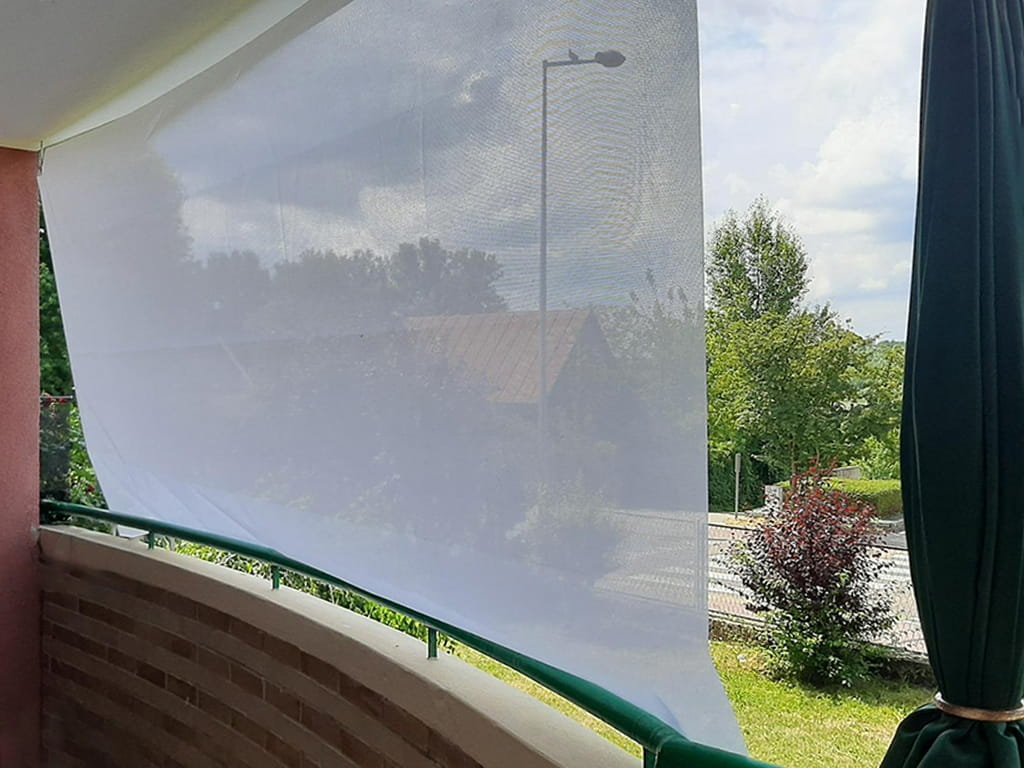
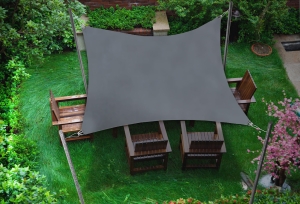
If your patio feels more like an oven than a retreat during the summer months, a sun sail might be exactly the upgrade you need. Sun sails — also known as shade sails — have become one of the most popular outdoor shading solutions in recent years, and it is easy to see why. They are affordable, visually striking, and remarkably effective at blocking harsh sunlight while keeping your outdoor space open and airy.
Unlike bulky parasols or rigid awnings, sun sails create a modern, architectural look that instantly elevates the feel of any patio, terrace, or garden. Whether your outdoor space is compact or expansive, there is a sail configuration that will fit perfectly — and this guide will show you how to make the most of it.
Why Sun Sails Work So Well on Patios
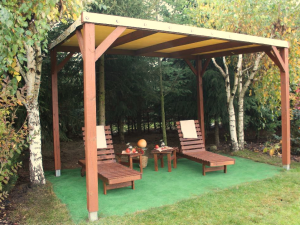
A patio is typically an open, flat area that receives direct sunlight for most of the day. Traditional solutions like umbrellas offer limited coverage and blow over in the wind. Pergolas and gazebos provide good shade but require significant investment and permanent structural changes. Sun sails sit comfortably in between — they deliver wide, effective shade coverage with minimal hardware and without permanently altering your space.
The triangular and rectangular shapes of shade sails also create interesting visual lines and dynamic shadows that change throughout the day, adding a design element that static structures simply cannot match. When installed at varying heights and angles, multiple sails can overlap to form layered shade zones that are both functional and beautiful.
Choosing the Right Sun Sail for Your Patio
Not every sun sail is the same, and picking the right one depends on your specific needs. Here are the main factors to weigh up:
- Size and shape. Measure your patio carefully. Triangular sails suit smaller or irregular areas, while rectangular sails cover wider, more uniform spaces. Combining two or more sails of different shapes creates dynamic coverage over larger patios.
- Material and UV rating. Look for sails made from UV-stabilised, high-density polyethylene (HDPE) or coated polyester. A UPF rating of 50+ is ideal for maximum sun protection.
- Waterproof vs. standard. Standard sails block sunlight and provide light rain resistance. If you want to use your patio during showers, choose a waterproof shade sail that keeps both sun and rain at bay.
Colour also plays a role. Lighter shades like sand and cream reflect more heat and keep the area beneath cooler, while darker colours such as charcoal and navy absorb more heat but offer slightly better UV filtration. Either way, a quality sail will make your patio noticeably more comfortable.
Installation: Getting the Angle Right
The secret to a great-looking and well-performing sun sail is the installation angle. A flat, horizontal sail may seem like the obvious approach, but it creates several problems: rainwater pools in the centre, wind has nowhere to go, and the overall look is bland. Instead, aim for a pitch of at least 20 to 30 degrees from one attachment point to the other. This ensures water runs off smoothly and gives the sail a sculptural, sweeping silhouette that catches the eye.
Most sun sails can be attached to existing structures — walls, posts, fences, or even mature trees. If no suitable anchor points exist, freestanding steel posts set in concrete are a reliable solution. Use turnbuckles or ratchet tensioners at each corner to achieve the right tension, eliminating sagging and flapping.
For those who want a perfect fit without guesswork, made-to-measure sails are cut to your exact specifications, taking the stress out of sizing entirely.
Styling Your Patio Around a Sun Sail
A sun sail does more than block the sun — it sets the tone for your entire outdoor aesthetic. Once the sail is up, think of the shaded area beneath it as an outdoor room and furnish it accordingly.
Pair a neutral-toned sail with warm wooden furniture and potted greenery for a relaxed, natural vibe. Alternatively, go bold with a vibrant sail colour and sleek metal or rattan furniture for a contemporary, resort-style atmosphere. String lights draped along the sail's edges or nearby posts add ambiance for evening entertaining.
Consider these quick styling ideas:
- Place an outdoor rug beneath the sail to define the seating zone and add texture underfoot.
- Add large floor cushions or a daybed for a lounge-like feel that invites you to stay longer.
- Use tall planters along the perimeter to frame the shaded area and provide a sense of enclosure without walls.
The beauty of sun sails is that they complement virtually every outdoor style, from minimalist and Scandinavian-inspired to Mediterranean and bohemian.
Caring for Your Sun Sail
Sun sails are low-maintenance by design, but a little attention goes a long way. Most sails can be cleaned with a garden hose and a soft brush to remove dust, pollen, and bird droppings. For tougher stains, a solution of lukewarm water and mild soap works well — avoid bleach and abrasive cleaners.
During extreme weather events such as heavy storms or snowfall, it is a good idea to take the sail down temporarily. Prolonged exposure to extreme wind or the weight of accumulated snow can stretch or damage even the toughest fabrics. Storing the sail in a dry bag during the off-season will keep it in prime condition for years to come.
Common Mistakes to Avoid
Even a great sun sail can underperform if installed carelessly. Watch out for these common pitfalls:
- Installing the sail completely flat, which causes water pooling and reduces wind resistance.
- Using weak fixings or under-sized posts that bend or pull out under tension.
- Choosing a sail that is too small, leaving large unshaded gaps during the hottest part of the day.
Take the time to plan your layout, invest in quality hardware and fixings, and measure twice. A well-installed sun sail will reward you with cool, comfortable shade every single day of summer.
Final Thoughts
Sun sails are one of the smartest and most stylish ways to upgrade your patio. They are versatile, affordable, and transform any outdoor space from a sun-blasted slab into an inviting retreat. Whether you choose a single triangular sail for a small balcony or layer multiple rectangles over a sprawling terrace, the result is always the same — more shade, more comfort, and a lot more time spent outside enjoying the season.
Total reviews: 16 reviews