+48 518 537 385
 office@shade4you.eu


Wondering how to choose the right shade sail for your garden, terrace, or balcony?
A shade sail is a tensioned fabric canopy that provides effective sun protection, reduces heat, and adds a modern design to your outdoor space.
This guide covers everything you need to know about selecting the right shapes, materials, and sizes to ensure a perfect fit and long-lasting outdoor comfort.
What Is a Shade Sail?
A shade sail is a durable outdoor fabric cover designed to block the sun. Instead of building a solid roof, you stretch the fabric tightly between anchor points like posts or exterior walls. It is a stylish, lightweight alternative to traditional patio covers, providing both excellent shade and a clean, modern design.
How Do Shade Sails Work to Provide Outdoor Protection?
Shade sails block solar radiation and provide reliable UV protection. High-quality materials can provide up to 98% shade coverage. This performance depends on fabric weight, colour, and weave tightness. Generally, heavier fabrics and darker colours offer higher protection.
They also significantly cool down your seating areas. Breathable fabrics allow hot air to escape and breezes to pass through, which can lower the temperature underneath by up to 10 to 20°F.
Keeping your outdoor space cooler makes summer days much more enjoyable. If you choose weather-resistant waterproof models and install them at an angle, they will also shed rain.
Where Are Shade Sails Commonly Used?
You can use them to improve almost any outdoor area. Homeowners love them over patios, decks, and gardens to create a comfortable, shaded retreat. They also bring a pop of colour and strong visual appeal to the yard.
They are equally popular in commercial and public areas. Restaurant owners use them to cover dining terraces, and they provide excellent sun protection over children's play areas. Because they are easier to set up and take down than permanent roofs, they are also a great choice for events.
What Types of Shade Sails Are Available?
You can choose from various shapes, materials, and sizes. Whether you need standard options or custom fixed shade sails, there is a solution for every small balcony or large garden.
Triangular, Square, and Rectangle Shapes: Key Differences
Most shade sails come in three main shapes: triangle, square, and rectangle. Each offers a different look and coverage area.
Triangular shade sails offer a striking modern design and great flexibility. While a single triangle covers less ground than a square, it fits easily into tight or unusual spaces. You can also layer multiple triangular shade sails to create custom patterns. To ensure proper water runoff, always install them with a slope of at least 15°.
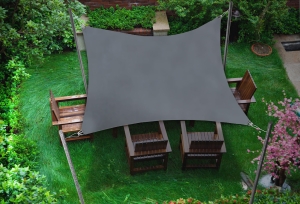
Square and rectangular shade sails are ideal for covering larger areas like a wide terrace, pool, or outdoor dining space. Because they cover more area, they require sturdy mounting points. You can install them in a dynamic 3D shape by setting two diagonal corners high and two low, which handles wind well and looks fantastic.
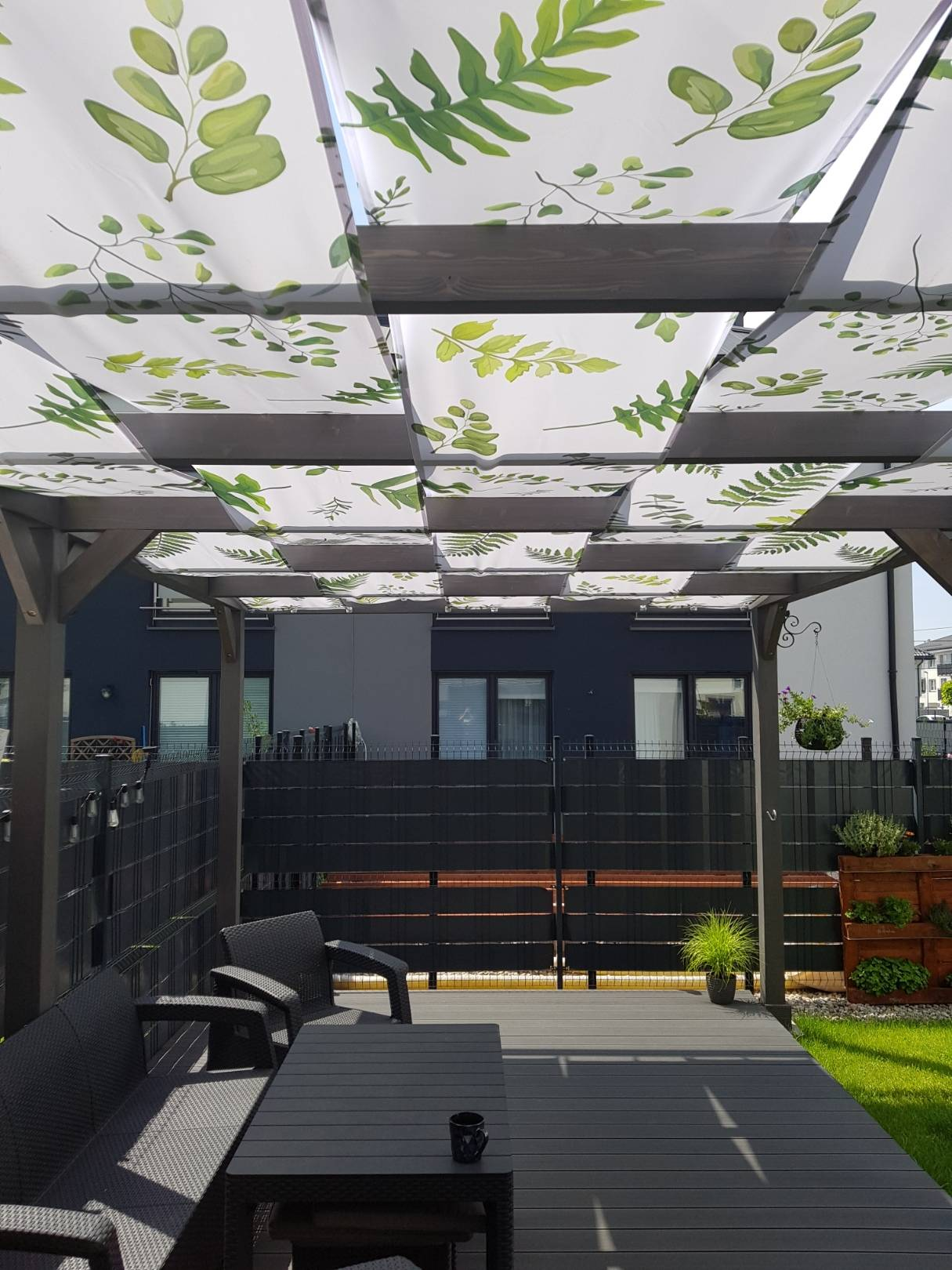
Waterproof vs Breathable Shade Sails
You must decide if you want a breathable fabric that lets air through or a waterproof tarpaulin that blocks rain.
Water-permeable (breathable) shade sails are usually made from High-Density Polyethylene (HDPE). They allow air to circulate freely, preventing heat build-up. Rain passes through, which reduces wind pressure and stops water from collecting on top. HDPE resists mould and provides strong UV protection. These are highly comfortable during hot summers because of the refreshing airflow.
Waterproof shade sails are made from thicker, treated materials designed to keep your area dry during rain. Because air cannot pass through, they catch more wind. You must install waterproof sails with a significant slope (about 3 feet of height difference, or a 20° angle) so water drains quickly. Otherwise, heavy water pools can damage the fabric and the anchor points. High-quality materials with reinforced seams are essential here.
Standard vs Custom Shade Sail Options
Standard shade sails are widely available and budget-friendly. They come in set sizes and colours, making them a quick choice if they fit your space perfectly.
If you have an unusually shaped terrace or specific design goals, custom shade sails are the better choice.
As a European manufacturer, Shade4You specialises in custom-made shade sails and balcony screens tailored exactly to your space. We can create the perfect size, shape, and finish for your garden or commercial patio. Custom options provide the cleanest fit and the most reliable durability in variable weather.
Discover waterproof shade sails →
Benefits and Drawbacks of Shade Sails
Shade sails are an excellent way to improve outdoor comfort, but it helps to understand their capabilities before you buy.
Advantages: UV Protection, Cooling, and Aesthetics
The primary benefit is effective sun protection. Many fabrics provide up to 98% shade coverage.
Shade sails also provide excellent cooling. Breathable sails prevent heat from getting trapped, keeping the shaded area much cooler than a solid roof would. This makes spending time in your outdoor spaces much more pleasant.
Regarding style, their modern design instantly upgrades any yard. You can choose vibrant colours to make a statement or neutral tones that blend with your home.
Finally, they are affordable and flexible. They cost much less than building a wooden pergola and are much easier to adapt or remove if needed.
Potential Disadvantages and Limitations
Keep a few practical points in mind to get the best results.
-
Installation requires care. Achieving the right tension and slope takes some planning. If you need to install new steel or wooden posts, the overall project cost will increase.
-
Avoid placing them directly over fire pits or grills. Heat and smoke will damage the fabric quickly.
-
Weather impacts lifespan. High winds and heavy snow place stress on the material. We recommend taking them down during winter or extreme storms to protect your investment.
What to Consider When Choosing a Shade Sail
Selecting the right product requires a quick look at your space and your main goals.
Purpose and Location: Optimizing Your Shaded Area
Start with your main goal. Do you need UV protection, rain cover, or enhanced privacy? Your answer will guide your fabric choice.
Next, check the location. Watch how the sun moves across your garden during the day. Decide if you have strong existing walls or pergolas to use as anchor points, or if you will need to install poles.
Also, consider whether you want a permanent fixture or a removable setup.
Size and Coverage Recommendations
Accurate measurements ensure an easy installation and a great look. The physical space between your anchor points must be larger than the sail itself.
You need about 1 to 3 feet of extra space per side to accommodate the mounting hardware and allow for proper tension.
For example:
|
Sail size |
Typical minimum anchor spacing |
Typical maximum anchor spacing |
|
13 x 13 ft |
15 x 15 ft (about +1 ft per corner) |
19 x 19 ft (about +3 ft per corner) |
If your anchor points are too close, you will not be able to pull the fabric tight. If they are too far apart, the setup will lack stability.
Material Choice and UV Resistance
Your fabric choice directly impacts outdoor comfort and longevity.
HDPE (High-Density Polyethylene) is the most popular choice for breathable shade sails. It allows airflow, handles wind well, and blocks up to 95% of UV rays. Fabric thickness is measured in gsm (grams per square metre); heavier fabrics (160 to 260 gsm) usually provide better durability.
Polyester or coated materials are used for weather-resistant waterproof sails. These look sleek and keep rain off your terrace, though they catch more wind.
Always look for high-quality materials with reinforced edges to ensure durability in variable weather.
Color Selection and Design Integration
Colour changes both the look and feel of the space.
-
Light colours (white, cream, light grey) reflect sunlight, making the space feel cooler and brighter. However, they may show dirt faster.
-
Dark colours (charcoal, navy, deep green) provide excellent shade, hide dirt easily, and create a cosy atmosphere.
Choose a shade that complements your existing outdoor furniture and home architecture.
Waterproofing vs Breathability Considerations
If you want a cool breeze during the hottest summer days, a breathable HDPE sail is your best option. It is easier to install and manages wind beautifully.
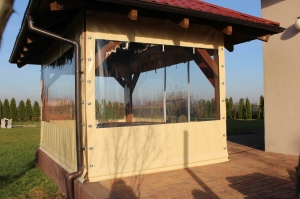
If you want to use your balcony or garden during rain showers, opt for a waterproof shade sail or clear PVC terrace cover. Just remember that waterproof models demand a steep slope to drain water safely.
Quality, Brand Reputation, and Warranty
Because these covers face sun, rain, and wind, quality is crucial. Choose experienced manufacturers that use robust fabrics and heavy-duty stitching. A strong warranty usually indicates that the brand trusts its materials.
At Shade4You, we focus on high-quality materials and in-house European manufacturing to ensure every product stands the test of time.
Measuring and Sizing Your Shade Sail
Careful measuring is the secret to a tight, professional-looking canopy that will not sag.
How to Accurately Measure Your Outdoor Space
Mark out the area you want to cover, keeping the sun's daily path in mind. Identify your structural support points, such as sturdy walls, existing pergolas, or spots where you will add posts.
As previously mentioned, leave extra room for hardware. Your anchor points should sit about 1 to 3 feet further out than the corners of the fabric.
Anchor Points and Layout Planning
Strong anchor points keep your yard safe. If you attach to a house, ensure the timber or brickwork is structurally sound. Do not just use nails; use proper screws and brackets driven securely into solid supports.
If you install new posts in the garden, use strong materials like heavy timber or steel pipes. The post needs a deep concrete footing-typically about half the depth of the exposed post height. Always check for underground utility lines before digging.
Plan the height of each anchor carefully to create the necessary slope for water runoff.
Size Under Tension and Fabric Elongation Factor
Sails are measured based on their size when pulled completely tight. Outdoor fabrics naturally stretch a bit during the first few weeks after installation.
For instance, a 16 x 16 ft sail may arrive slightly smaller than its final size. Once installed, it will gently stretch by about 1.5% to 8% depending on whether it is a stiff waterproof material or a flexible breathable mesh.
This stretching is entirely normal and helps the fabric absorb wind gusts without tearing. You do not need to order a smaller size to account for this natural stretch.
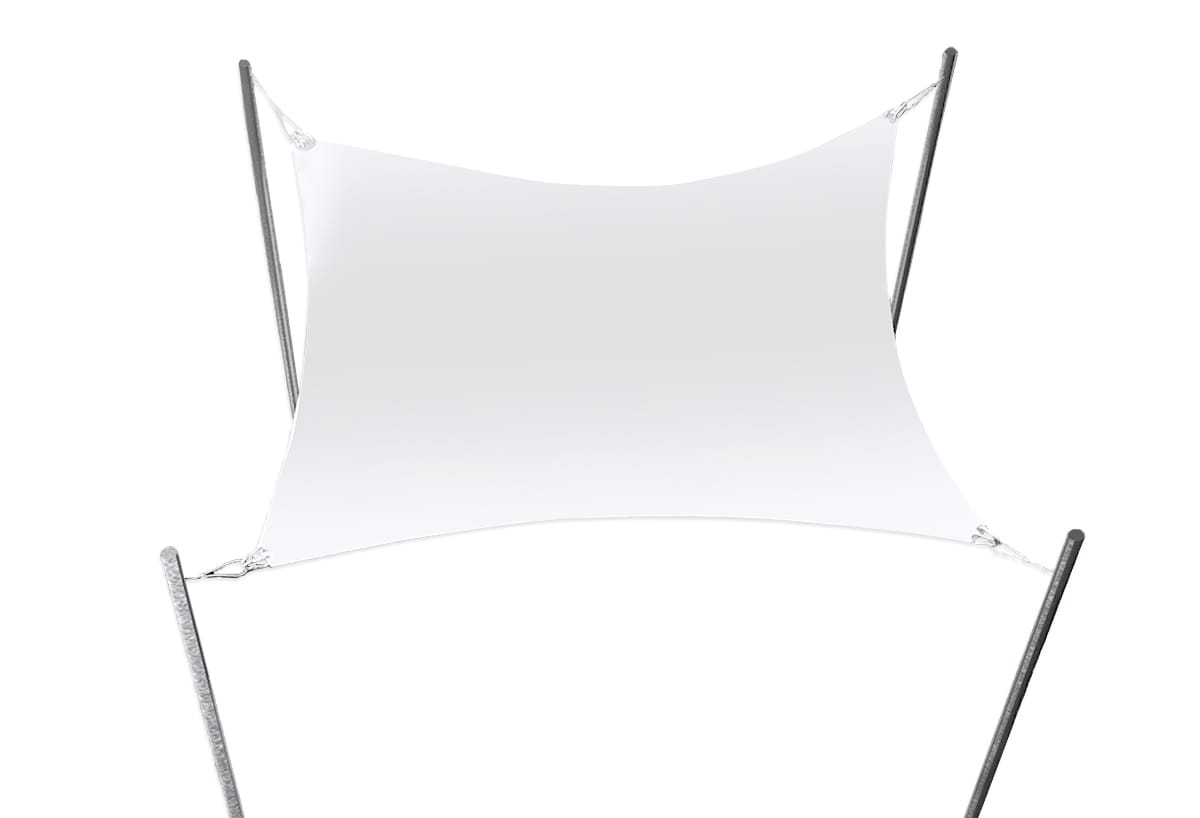
Shade Sail Installation and Anchoring Methods
Proper installation ensures durability in variable weather and keeps your yard safe.
Anchor Types: Poles, Wall Mounts, and Hardware Options
If you cannot use your house or pergola, you will need dedicated poles. Steel and heavy aluminium poles provide the strength needed to keep the canopy tight.
For your hardware, always use weather-resistant stainless or galvanised steel. Common parts include turnbuckles, snap hooks, pad eyes, and wire cables. Using specialized tensioning kits makes it much easier to pull the corners tight and adjust them later.
Tensioning the Shade Sail for Optimal Performance
A correctly tensioned cover looks crisp and does not sag or wrinkle.
Attach your hardware so it points directly toward the centre of the sail. Connect the first corner, then use a tensioning tool or strong strap to pull the remaining corners tight. The final corner always requires the most effort.
Turnbuckles are great for fine-tuning this tension. Remember, as mentioned in the waterproof section, poor tension on a rainproof sail will lead to water pooling, which can quickly damage the fabric and the structural posts.
Safety and Engineering Considerations
Large fabrics catch a significant amount of wind. A weak anchor can pull out of a wall or snap a post. Always choose products with reinforced corners. For very large or complex setups over commercial outdoor spaces, consulting a contractor or engineer is a smart way to ensure total safety.
Durability, Maintenance, and Lifespan
Taking care of your sun protection ensures it will keep your terrace comfortable for years.
Factors Impacting Shade Sail Longevity
-
Material Quality: High-density fabrics (like 160-260 gsm HDPE) offer excellent longevity.
-
Weather conditions: Constant severe winds or heavy snow loads will wear out any fabric over time.
-
Seam Strength: The stitching often wears out before the main fabric. Reinforced edges are a must.
-
Proper Setup: Tight tension and correct sloping prevent wind flapping and water pooling.
Cleaning and Maintenance Tips
-
Cleaning: Wash the fabric gently with lukewarm water and a soft brush. Avoid bleach or harsh chemicals that can strip away UV coatings. Use a mild soap for stubborn stains and rinse thoroughly.
-
Drying and storage: If you take it down for the winter, let it dry completely to prevent mould. Fold it neatly and store it in a dry space.
-
Seasonal removal: Taking the canopy down before heavy snow or severe windstorms is the easiest way to prevent damage.
How Weather and Wind Load Affect Durability
-
Wind: High winds cause flapping, which damages seams and anchors. Breathable fabrics handle wind better. If a major storm is coming, simply take the canopy down.
-
Rain: Breathable sails let heavy rain pass right through. Waterproof covers must have strong tension and a steep slope to drain water quickly.
-
Snow: We highly recommend removing your covers during winter if you get snow. The heavy weight will stretch the material and strain your anchor points.
Making Your Final Choice
Choosing the right shade sail is simple when you know exactly what your outdoor space needs. With the right high-quality materials and a solid installation plan, you can enjoy a cool, stylish, and comfortable terrace for years to come.
Checklist for Shade Sail Buyers
Use this quick checklist before you order:
-
Purpose Defined: Do you need effective sun protection, rain cover, or a privacy screen?
-
Location Assessed: Have you checked the sun’s path and found strong anchor points?
-
Measurements Accurate: Did you leave 1 to 3 feet of extra space for the tensioning hardware?
-
Shape Selection: Will a triangle, square, or custom shape fit your yard best?
-
Material Choice: Do you want breathable HDPE for cooling, or waterproof fabric for rain?
-
UV Protection Verified: Does the material offer high UV resistance?
-
Quality & Reputation: Are you choosing high-quality materials from a trusted European manufacturer?
-
Installation Plan: Will you install it yourself, and do you have the correct weather-resistant hardware?
-
Maintenance Considered: Are you ready to take it down before heavy winter snow?
Tips for Maximizing Value and Satisfaction
First, treat your shade sail as a long-term investment. High-quality materials will last much longer and look significantly better than cheap alternatives.
Second, focus on easy installation done correctly. Proper tension and a steep slope for waterproof models are non-negotiable for safety and longevity.
Finally, take advantage of custom design flexibility. If you have a uniquely shaped balcony or terrace, the team at Shade4You is here to help you choose the perfect custom solution to upgrade your outdoor spaces.
Common Questions and Troubleshooting
Here are quick answers to the most common questions about outdoor sun protection.
Are Shade Sails Suitable for Year-Round Use?
This depends entirely on your local climate. In mild areas, high-quality HDPE sails can stay up for many months. If you experience heavy snow, you must take them down in winter so the weight does not stretch the fabric or break the mounts.
Waterproof sails can be left up in wet weather, provided they are angled correctly to shed rain. However, no fabric structure should be left up during extreme/severe weather warnings.
What If My Area Has High Winds or Rainfall?
For windy areas, a breathable HDPE sail is the safest choice because air flows right through it. Ensure your hardware is heavy-duty and keep the fabric pulled tight to prevent violent flapping.
For heavy rainfall, choose a waterproof model and install it with at least a 20° slope. As previously mentioned, without this angle, rainwater will pool and create heavy, damaging pockets.
Can Shade Sails Be Moved or Repositioned?
Yes. They are far more flexible than permanent wooden roofs. You can easily unhook the corners to take them down for winter, or adjust the turnbuckles if the fabric naturally stretches over time. They are also perfect for temporary shade during outdoor events.
Total reviews: 17 reviews