+48 518 537 385
 office@shade4you.eu


Choosing the right fabric for your shade sail is one of the most important decisions you'll make. Different materials offer distinct advantages, and the correct choice depends on your specific needs. In this guide, we'll introduce you to the four most important fabric types and help you find the perfect solution for your outdoor space.
1. HDPE Fabric (High-Density Polyethylene)
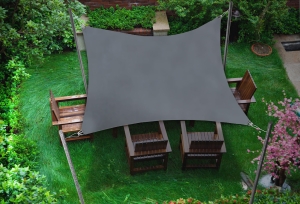
HDPE is the most popular material for shade sails and for good reason. This knitted fabric offers an excellent combination of UV protection and breathability. The open structure allows natural air circulation that prevents heat buildup under the sail.
The main advantages of HDPE:
- Blocks 90-98% of harmful UV radiation
- Allows air to flow through and reduces temperature underneath
- Lightweight and easy to install
- Resistant to mould and mildew
HDPE fabric is ideal for areas where sun protection is more important than rain protection. Its breathable property makes it perfect for hot summer days when you want cool shade without stuffy air.
The knitted construction of HDPE also makes it remarkably durable. Unlike woven fabrics that can fray when cut or damaged, knitted HDPE maintains its integrity even if small tears occur. This resilience translates to years of reliable service with minimal maintenance requirements.
2. PVC-Coated Polyester
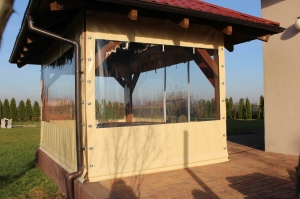
If you need complete weather protection, PVC-coated polyester is the right choice. This material is used for waterproof shade sails and offers both sun and rain protection in a single product.
Characteristics of PVC-Polyester
The robust coating makes this material particularly durable and easy to maintain. It's excellent for regions with variable weather, where protection against sudden rain showers is important.
Keep in mind with waterproof sails:
- Installation requires sufficient pitch for water drainage
- Regular cleaning maintains the coating integrity
- Higher wind loads due to the closed surface
The disadvantage is reduced breathability. On hot days, heat can accumulate under the sail, which is why good ventilation of the surrounding area is important. Many homeowners solve this by installing their waterproof sails at varying heights, creating natural airflow channels.
PVC-coated polyester typically features welded seams rather than stitched ones, eliminating potential weak points where water might penetrate. This construction method ensures complete waterproof protection for years of use.
3. Mesh Fabric
Mesh fabrics offer an excellent balance between airflow and functionality. These fabrics are renowned for their breathability and provide effective shade while allowing air to circulate freely.
Advantages of mesh fabric:
- Superior ventilation and airflow
- Reduces heat buildup underneath the awning
- Lightweight yet durable construction
- Resistant to mould and mildew due to open weave structure
Mesh is the preferred choice for hot climates or areas where maximum airflow is essential. The fabric allows some light to filter through while still providing significant UV protection, making it ideal for spaces where you want shade without feeling enclosed.
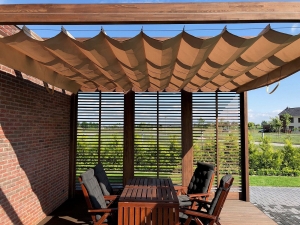
The fabric's practical design makes it popular for applications such as carports, pergolas, and outdoor entertaining areas where temperature control and air circulation are priorities alongside sun protection.
4. Polyester with PU Coating
Polyurethane-coated polyester is a more economical alternative to PVC-coated materials. It offers good weather protection at a lower price point but has a shorter lifespan.
Important considerations about PU-polyester:
- Good value for money for temporary installations
- Lighter weight than PVC-coated alternatives
- More susceptible to UV degradation over time
This material is well-suited for seasonal use or when you have a limited budget and still don't want to sacrifice rain protection. It's an excellent entry point for homeowners new to shade sails who want to experiment before investing in premium materials.
Making the Right Choice
When deciding between fabric types, you should answer the following questions: Do you primarily need sun protection or rain protection as well? How important is air circulation to you? What budget do you have available?
For most patios and gardens, breathable HDPE fabric is the best choice. It offers excellent UV protection with maximum air circulation. However, if you want to create a covered dining area or lounge usable even in the rain, you should consider waterproof options.
Installation Considerations
Regardless of which fabric you choose, proper installation is crucial for performance and longevity. All shade sail fabrics require adequate tension to prevent flapping, which causes premature wear. Waterproof fabrics additionally need correct pitch angles for effective drainage.
Professional installation is recommended for larger sails or complex configurations. However, smaller triangular sails can often be successfully installed by competent DIY enthusiasts with the right hardware and careful planning.
Conclusion
Each fabric type has its purpose and specific application areas. The quality of the material directly influences the lifespan and performance of your shade sail. Invest in high-quality fabrics from reputable manufacturers to enjoy your shade solution for years to come.
Total reviews: 24 reviews