+48 518 537 385
 office@shade4you.eu


Creating the perfect outdoor living space requires careful consideration of various factors, from functionality to aesthetics.
When it comes to enhancing your garden with a substantial structure, the choice often comes down to two popular options: verandas and pergolas. Both offer unique benefits and can transform your outdoor area into a stunning extension of your home.
Choosing between a veranda and a pergola represents a significant investment in your property.
This comprehensive guide explores every aspect of this important decision, helping you determine which structure best suits your garden, lifestyle, and budget.
What's the Real Cost Difference Between Verandas and Pergolas?
Understanding the financial implications of your choice extends far beyond the initial purchase price. The veranda vs pergola cost comparison involves multiple factors that can significantly impact your overall investment.
Initial Investment and Installation Costs
Verandas typically require a higher upfront investment due to their solid roof construction and more complex installation requirements.
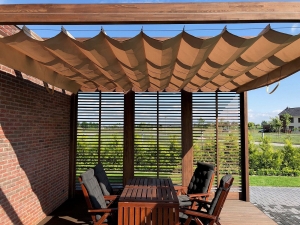
The robust framework needed to support a solid roof, combined with the additional materials required for weather-tight construction, generally places verandas in a higher price bracket. A waterproof retractable roman shade sail is a more cost-effective option, but it won't protect you all year long.
Professional installation is almost always necessary, particularly for larger structures or those requiring building regulation approval.
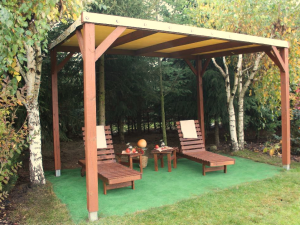
Pergolas offer a more budget-friendly entry point into garden structures. Their open-framework design requires fewer materials and often allows for simpler installation processes.
Many pergola designs can accommodate DIY installation, though professional fitting ensures optimal stability and longevity. The cost advantage of pergolas becomes particularly apparent for larger structures where material savings multiply significantly.
However, these initial cost differences must be weighed against long-term value considerations. Verandas often provide better return on investment due to their year-round usability and significant impact on property values.
Long-Term Value and Property Enhancement
Verandas typically add more substantial value to your property due to their practical functionality and all-weather protection. Estate agents often highlight covered outdoor spaces as significant selling points, particularly in the British climate where weather protection is highly valued.
Pergolas, whilst adding aesthetic appeal and defining outdoor spaces, generally provide more modest property value increases. However, they excel in creating attractive garden focal points and can dramatically enhance the perceived size and functionality of outdoor areas.
The key lies in choosing quality pergola solutions, such as shade sails made to measure, that complement your home's architecture and garden design.
Consider also the potential for future modifications. Pergolas offer greater flexibility for additions such as retractable canopies or climbing plants, whilst verandas provide a more permanent, finished solution that requires less ongoing investment.
Which Provides Better Weather Protection and Functionality?

The British climate demands serious consideration of weather protection when choosing outdoor structures.
The veranda vs pergola functionality debate centres largely on how each option performs across different seasons and weather conditions.
All-Season Usability and Comfort
Verandas excel in providing comprehensive weather protection, creating genuinely usable outdoor spaces regardless of weather conditions.
The solid roof construction offers complete protection from rain, whilst the covered design provides shelter from wind and excessive sun. This makes verandas ideal for outdoor dining, entertainment, and relaxation throughout the year.
The enclosed or semi-enclosed nature of many veranda designs also allows for the addition of heating elements, lighting, and even outdoor kitchen facilities. This transforms your garden into a true outdoor room that extends your living space substantially.
Pergolas, by contrast, offer limited weather protection in their basic form. The open roof design provides some shade and can support climbing plants for additional coverage, but offers minimal protection from rain or strong winds.
However, this open design creates excellent airflow and prevents the feeling of being enclosed, which many homeowners prefer during warmer months.
Seasonal Performance and Adaptation
Verandas maintain their functionality consistently across seasons, providing a reliable outdoor space that requires minimal seasonal adjustments. The solid roof prevents leaf accumulation and reduces maintenance during the autumn months.
Pergolas shine during spring and summer, creating attractive shaded areas that can be enhanced with seasonal plantings. The structure provides excellent support for climbing roses, clematis, or grape vines, creating natural seasonal variation in your garden.
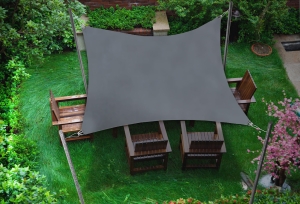
However, winter functionality is limited, and the open structure requires more frequent cleaning and maintenance. A rectangle shade sail can be a good choice to get at least some protection during summer.
How Do Design Styles Impact Your Garden's Overall Aesthetic?
The visual impact of your chosen structure extends far beyond its immediate footprint. The veranda vs pergola design consideration involves understanding how each option complements your existing architecture and garden layout.
Architectural Integration and Style Harmony
Verandas work exceptionally well with traditional British architecture, particularly Victorian, Edwardian, and cottage-style homes. Their substantial presence and solid construction complement the robust character of these architectural styles.
Modern veranda designs can also enhance contemporary homes, with clean lines and minimal detailing creating striking contrasts.
The key to successful veranda integration lies in matching proportions and materials to your existing home. Oversized verandas can overwhelm smaller properties, whilst undersized structures may appear inadequate on larger homes.
Pergolas offer greater versatility in architectural integration due to their lighter visual weight. They complement both traditional and modern architectural styles effectively, with design variations allowing for precise style matching.
Contemporary pergolas with clean lines suit modern homes perfectly, whilst more ornate designs enhance period properties.
Garden Flow and Spatial Definition
Verandas create distinct outdoor rooms that can feel separate from the main garden space. This works excellently for creating intimate dining areas or sheltered relaxation spaces, but may fragment smaller gardens.
Pergolas excel at defining spaces whilst maintaining visual connectivity. They create structure and organisation within garden layouts without creating hard boundaries. This makes them particularly effective for delineating different functional areas – dining spaces, walkways, or plant display areas – whilst preserving the sense of open garden space.
Consider how your chosen structure will interact with existing garden features. Verandas work well adjacent to patios and decked areas, creating natural transitions between indoor and outdoor spaces. Pergolas can enhance lawn areas, create attractive walkways, or provide structure for mixed borders.
Material Choices and Customisation Options
Both verandas and pergolas offer extensive customisation possibilities, though in different ways.
Veranda customisation focuses on roofing materials, support column styles, and integration features, such as lighting or heating. The substantial structure allows for comprehensive personalisation whilst maintaining weather protection integrity.
Pergola customisation offers perhaps greater creative freedom due to the simpler structural requirements. Material choices range from traditional timber through to modern powder-coated aluminium, with endless possibilities for decorative elements, integrated planters, and seasonal adaptations.
Contact our team to explore shade sail customisation options that perfectly complement your garden and home architecture.
Conclusion
The veranda vs pergola decision ultimately depends on your specific requirements, budget, and garden characteristics.
Consider your climate requirements, intended usage patterns, and long-term goals when making this important decision. Both options can provide years of enjoyment and significantly enhance your outdoor living experience when chosen and installed appropriately.
For expert guidance on shade sails for your veranda or pergola, explore our offer or contact our experienced team for personalised recommendations.
Frequently Asked Questions
Do verandas and pergolas require different maintenance schedules?
Yes, maintenance requirements differ significantly. Verandas require regular gutter cleaning, roof inspection, and weather seal maintenance, particularly around joints and fixings. Annual professional inspection is recommended.
Pergolas need more frequent cleaning due to their open structure, with particular attention to joint areas where moisture can accumulate. Timber pergolas require regular treatment with wood preservatives, whilst powder-coated aluminium versions need only periodic cleaning.
Which option works better for supporting climbing plants?
Pergolas are specifically designed to support climbing plants and provide excellent growing conditions with their open framework, allowing proper air circulation and light penetration. The horizontal beams create natural training points for plant growth.
Verandas can support climbing plants around their perimeter, but the solid roof limits growing space and may create overly shaded conditions for many plant varieties.
Are there specific soil conditions that favour one option over the other?
Soil conditions primarily affect foundation requirements rather than structure choice. Clay soils that expand and contract seasonally may require deeper foundations for both options.
Verandas, being heavier structures, are more sensitive to ground movement and may require more substantial foundation solutions in problematic soil conditions. Sandy or well-draining soils generally present fewer challenges for either option.
Which option provides better privacy screening?
Verandas naturally provide more privacy due to their enclosed or semi-enclosed design and solid roof structure. Side panels or screens can be added for complete privacy.
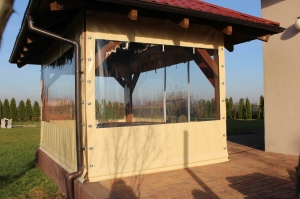
Pergolas offer minimal privacy but excel when combined with climbing plants or purpose-designed privacy screens, such as outdoor clear tarp.
Total reviews: 32 reviews