+48 518 537 385
 office@shade4you.eu


Transforming your garden into a true extension of your home represents one of the most popular trends in outdoor landscaping.
With the evolution of our lifestyle and the constant search for well-being spaces, creating a functional and aesthetic space in the garden becomes a priority for many homeowners. Shade sails constitute a particularly suitable solution for delimiting, protecting, and beautifying these outdoor living spaces.
Opening a room in the garden is no longer limited to adding a simple terrace. It involves designing genuine living spaces that harmoniously extend the interior outwards, while offering solar protection and intimacy.
Custom shade sails allow for perfect response to these requirements, adapting to architectural constraints and the specific needs of each layout.
1. Creating a Protected Relaxation Zone
Installing custom shade sails allows for precise delimitation of the lounge space while offering optimal protection against the sun.
These solutions adapt perfectly to the dimensions and configuration of your terrace, whether rectangular, square, or of more complex form.
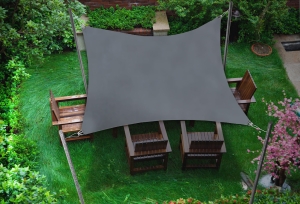
Triangular sails create particularly aesthetic dynamic shadow play, while rectangular sails offer more uniform coverage for large spaces.
The installation height of shade sails directly influences the ambiance of your outdoor lounge. A relatively low installation creates an intimate and cozy atmosphere, ideal for reading moments or conversation.
Conversely, a higher installation provides a sense of space and facilitates air circulation, particularly appreciated during hot summer days.
Design Considerations for Relaxation Areas
When planning your relaxation zone, consider the natural flow of your garden and how the space will be used throughout the day. Morning coffee areas might benefit from eastern exposure with adjustable shading for afternoon protection.
Key elements for optimal relaxation space design:
- Comfortable seating arrangements that encourage conversation
- Strategic positioning to capture cooling breezes
- Integration with existing landscape features
- Consideration of privacy from neighboring properties
- Flexible shading options for different activities
The psychological impact of a well-designed outdoor relaxation area cannot be understated. Research shows that access to comfortable outdoor spaces significantly reduces stress levels and improves overall well-being.
2. Integrating Modular Solutions

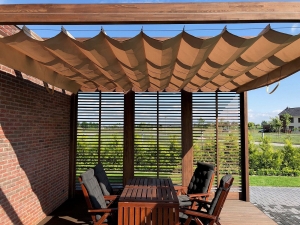
Sliding shade sails represent a particularly ingenious solution for outdoor lounges. These installations allow adaptation of solar protection according to the time of day and weather conditions.
In the morning, you can enjoy the first rays of sun by partially retracting the sail, then you can extend it progressively as the sun rises in the sky.
This modularity also proves valuable for event organization. During receptions, the ability to quickly adjust the shade sail configuration allows optimization of space according to the number of guests and weather evolution.
Advanced Modular Systems
Modern modular shade systems go beyond simple retraction mechanisms. Contemporary solutions include:
- Multi-Zone Coverage: Complex installations that allow different areas of your garden room extension to have independent shading controls. This enables simultaneous hosting of sun-seekers and shade-preferring guests.
- Seasonal Adaptability: Modular components that can be reconfigured for different seasons, allowing summer entertainment configurations to transform into cozy winter setups with weather protection.
The investment in quality modular systems pays dividends through increased usability and reduced maintenance requirements over time.
3. Effectively Protecting Dining Space
Waterproof shade sails constitute the ideal solution for a summer dining room.
Unlike classic shade sails that allow part of precipitation to pass through, these installations offer complete protection against rain. This characteristic allows organizing outdoor meals even in case of changing weather conditions, typical of summer evenings.
Installing a waterproof shade sail above the table requires particular attention to rainwater evacuation. A slight incline of the canvas, obtained by differential tension adjustment at anchor points, allows directing water toward a predetermined evacuation point.
Dining Area Optimization Strategies
Creating the perfect outdoor dining environment involves more than weather protection. Consider these essential elements:
- Lighting Integration: Incorporate weather-resistant lighting systems within the shade structure. LED strip lighting along sail edges provides ambient illumination for evening dining, while pendant lights can create intimate focal points above dining tables.
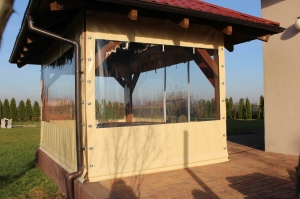
- Climate Control: Beyond sun and rain protection, consider wind barriers and heating elements for extended seasonal use. Retractable side panels can transform open dining areas into enclosed spaces when weather demands.
- Storage Solutions: Design integrated storage for outdoor dining essentials. Weather-resistant cabinets or storage benches can house tableware, linens, and entertaining accessories while serving dual functions as seating or serving surfaces.
The most successful outdoor dining areas seamlessly blend functionality with aesthetics, creating spaces that feel as comfortable and well-appointed as indoor dining rooms.
4. Optimizing Natural Lighting

The arrangement of shade sails considerably influences the natural lighting of your summer dining room.
An east-west oriented installation offers optimal protection against midday sun while preserving morning and evening luminosity, particularly pleasant for outdoor breakfasts and dinners.
Advanced Lighting Strategies
Sophisticated garden room extensions consider natural light as a design element to be carefully orchestrated:
- Seasonal Light Management: Understanding how sun angles change throughout the year allows for strategic sail positioning that maximizes pleasant natural light while minimizing harsh glare. Summer installations may require different configurations than spring or autumn setups.
- Light Quality Control: Different shade materials filter light in unique ways. Mesh fabrics allow dappled light that creates interesting patterns, while solid materials provide consistent shade for activities requiring steady illumination.
- Integration with Architecture: Consider how your garden room extension's lighting will interact with your home's existing windows and doors. Proper planning ensures interior spaces don't become inadvertently darkened by outdoor shade structures.
Professional lighting assessment can identify opportunities to reflect and redirect natural light, creating bright, welcoming spaces even under extensive shade coverage.
5. Integrating Additional Comfort Elements
The arrangement of a summer dining room is not limited to solar protection. Installing custom outdoor curtains on the sides of the dining space allows creating additional intimacy and protection from indiscreet neighbors' glances.
These textile elements also bring a non-negligible decorative dimension, improving the general ambiance of the space.
Comprehensive Comfort Systems
Modern garden room extensions benefit from integrated comfort systems that address multiple environmental factors:
- Air Circulation Enhancement: Strategic placement of shade structures can actually improve natural ventilation by creating pressure differentials that encourage air movement. This natural cooling effect reduces the need for mechanical ventilation systems.
- Acoustic Comfort: Shade sails and curtains can significantly reduce noise pollution from traffic, neighbors, or other urban sounds. Dense fabrics provide better sound dampening, while textured surfaces can scatter sound waves to reduce echo effects.
- Privacy Solutions: Beyond simple visual barriers, consider how different privacy elements can be layered for maximum effectiveness. Combination approaches using plants, structures, and textile elements create the most natural-feeling privacy solutions.
- Microclimate Creation: Advanced garden room designs create distinct microclimates for different activities. Reading nooks might feature increased humidity from nearby water features, while dining areas prioritize air circulation and temperature control.
6. Choosing Optimal Placement
The location of your relaxation space largely determines its functionality and pleasantness. Prioritize a zone naturally sheltered from prevailing winds, while maintaining favorable exposure to enjoy natural luminosity without suffering the inconveniences of direct sun.
Landscape integration constitutes a crucial element of this arrangement. Fixed HDPE shade sails come in grey and sandy colors,and various forms, allowing creation of perfect harmony with surrounding vegetation and your home's architecture.
Site Analysis and Selection Criteria
Professional garden room extension planning begins with comprehensive site analysis:
Topographical Considerations: Slight elevation changes can dramatically improve drainage, air circulation, and views. Even modest grading can transform problematic areas into prime extension locations.
Utility Integration: Consider proximity to electrical, water, and gas connections. Garden rooms with integrated cooking facilities, lighting, or heating systems require access to utilities, which affects placement decisions significantly.
Seasonal Sun Patterns: Document sun patterns throughout different seasons to ensure year-round usability. Winter sun angles can be surprisingly different from summer patterns, affecting both heating and lighting strategies.
Future Growth Planning: Consider how your garden room extension will evolve over time. Plants will grow, family needs will change, and additional features may be desired. Flexible initial placement allows for future expansion without major reconstruction.
7. Personalizing Space According to Your Activities

Your relaxation space can be optimized according to your preferred activities.
- For reading, prioritize uniform protection that avoids luminous contrasts fatiguing to the eyes.
- For meditation or yoga activities, opt for an installation that creates a subdued and soothing ambiance.
Retractable sails allow fine adjustment of luminosity, creating ideal conditions for outdoor reading.
Activity-Specific Design Approaches
Different activities require unique environmental considerations:
Entertainment Areas: Spaces designed for hosting require flexibility, easy cleaning, and weather protection. Consider how furniture arrangements will change for different group sizes and event types.
Work Spaces: Outdoor offices need consistent lighting, protection from glare, weather protection for electronics, and comfortable seating for extended periods. Cable management and power access become crucial considerations.
Exercise Areas: Yoga platforms, workout spaces, or play areas need level surfaces, adequate clearance, and protection from sun exposure during peak activity times.
Contemplative Spaces: Meditation areas, reading nooks, or quiet retreat spaces benefit from natural materials, soft lighting, and enhanced privacy. Sound dampening becomes particularly important for these applications.
Multi-Purpose Flexibility: The most successful garden room extensions accommodate multiple activities through clever design and adaptable elements that can be reconfigured as needed.
Professional Installation and Maintenance Considerations
Successful garden room extensions require professional planning and installation to ensure safety, durability, and optimal performance:
Structural Requirements
Foundation Planning: Depending on your extension's complexity, proper foundations may be required for posts, anchor points, or integrated structures. Local building codes may dictate specific requirements.
Load Calculations: Shade sails and associated structures must be engineered to handle wind loads, snow loads (in applicable climates), and dynamic forces from adjustable components.
Material Selection: Professional-grade materials designed for permanent installation offer superior durability and appearance retention compared to residential alternatives.
Maintenance Programming
Seasonal Maintenance: Different seasons require specific maintenance activities. Spring inspections, summer cleaning, autumn preparation, and winter protection protocols ensure long-term performance.
Fabric Care: High-quality shade fabrics require periodic cleaning and inspection. Professional cleaning services can extend fabric life and maintain appearance standards.
Hardware Inspection: Regular inspection of mounting hardware, tensioning systems, and moving parts prevents small problems from becoming major failures.
Conclusion
Extending a room into the garden with shade sails represents much more than simple outdoor arrangement. It's a true philosophy of the art of living that harmoniously extends your habitat outward.
Investment in quality shade sails proves particularly profitable long-term, both through installation durability and significant improvement of your quality of life. These arrangements also enhance your property value by creating additional living spaces that are particularly sought after.
The integration of professional-grade shade solutions creates outdoor environments that rival interior comfort while providing unique benefits only possible in outdoor settings. The connection with nature, enhanced air quality, and flexible seasonal usage patterns make garden room extensions valuable additions to any property.
To realize your garden room extension project, don't hesitate to contact our experts who will advise you on solutions best adapted to your configuration and expectations.
FAQ on Garden Room Extension
What is the average lifespan of a shade sail?
Professional quality shade sails offer a lifespan of 8 to 12 years depending on usage and maintenance conditions. Technical fabrics used resist UV, weather, and temperature variations, guaranteeing durable performance.
Can shade sails be installed on a terrace without ground anchor points?
Absolutely. Numerous solutions exist for terraces without ground anchoring possibilities: railing fixation, use of weighted posts, building facade anchoring, or installation of self-supporting structures. Each situation requires specific technical study.
How to effectively maintain shade sails?
Regular maintenance considerably extends installation lifespan. Cleaning with soapy water twice yearly generally suffices. Avoid aggressive chemical products and prioritize complete drying before winter storage for removable installations.
Total reviews: 14 reviews