+48 518 537 385
 office@shade4you.eu


Many conservatory owners across the UK know the frustration all too well. Your beautiful glass extension becomes unbearably hot during the summer months, forcing you to abandon the space you invested thousands in creating.
Traditional blinds promise relief but often come with eye-watering price tags and limited effectiveness against the greenhouse effect that plagues modern conservatories.
If you're one of those homeowners looking for a stylish alternative to conservatory roof blinds, shade sails can help transform your space without breaking the bank. These innovative fabric solutions offer superior temperature control whilst maintaining the bright, airy atmosphere that drew you to conservatory living in the first place.
Continue reading to explore eight game-changing ideas that will change the way you use your conservatory year-round.
The Growing Demand for Energy-Efficient Conservatory Solutions
British homeowners are increasingly prioritising energy efficiency in their home improvements.
According to a recent study by the Energy Saving Trust, 96% of UK homeowners are concerned about their home's energy performance, with 62% stating that saving money and reducing energy consumption are equally important.
One area where energy efficiency plays a crucial role is conservatory design. While conservatories provide natural light and additional living space, they can also be energy-intensive, particularly when exposed to excessive heat in the summer or heat loss in the winter.
Without proper shading, conservatories often require higher cooling and heating costs, making them less sustainable.
Fortunately, plenty of sophisticated solutions are now available, addressing both comfort and sustainability concerns. Models like automated blinds and shading systems have become increasingly popular.
The shift toward energy-conscious design has also fueled growth in the global shade sails market, which is expected to exceed USD 3.41 billion by 2033. Shade sails offer cost-effective cooling solutions, enabling homeowners to reduce energy consumption while enhancing the usability of outdoor and conservatory spaces.
8 Shade Sail Ideas for Conservatories
Modern shade sail technology has come a long way from basic awnings. Today's systems use advanced materials and smart engineering to provide real temperature control while enhancing the style of your space.
Whether you're looking to cool down a sun-drenched conservatory or add a sleek, architectural element to your home, shade sails offer both functionality and visual appeal.
Here are eight creative ways to incorporate shade sails into your conservatory:
1. Triangular Tension Systems for Maximum Coverage
Triangular shade sails offer exceptional versatility for conservatory roofs with complex angles and varying dimensions. These three-point suspension systems distribute tension evenly across the fabric, preventing sagging whilst providing comprehensive coverage over seating areas and key zones.
The geometry of triangular sails allows for creative installation patterns. You can overlap multiple triangles to create dynamic visual effects, where no area remains exposed to direct sunlight. This approach works particularly well in larger conservatories where single-panel solutions might appear overwhelming or fail to provide adequate coverage.
Installation flexibility makes triangular systems ideal for conservatories with existing roof features such as fans, lights, or structural beams. The three-point attachment system can accommodate these obstacles whilst maintaining the sail's structural integrity and aesthetic appeal.

2. Rectangular Shade Solutions for Classic Conservatories
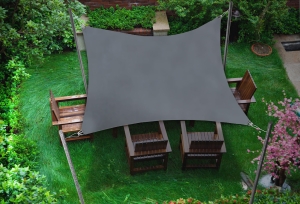
Rectangular shade sails suit traditional conservatory designs with straight lines and symmetrical proportions. These four-point systems create clean, architectural lines that complement formal garden settings and period properties where design consistency matters.
The rectangular format maximises coverage efficiency, providing the largest shaded area relative to fabric used. This makes them cost-effective solutions if you're seeking comprehensive protection without the complexity of multi-panel installations.
Key benefits include:
- simplified installation with four standard attachment points
- maximum shade coverage per square metre of fabric
- clean aesthetic lines that suit formal architectural styles
- compatibility with most conservatory roof structures
Rectangular sails work exceptionally well when positioned to follow the conservatory's natural proportions, creating visual harmony between the shade system and the underlying structure.
3. Multi-Panel Configurations for Complex Spaces
If you own a large or irregularly shaped conservatory, it can benefit from multi-panel shade sail arrangements that can be customised to specific spatial requirements. The beauty of this option is that it allows precise control over shading patterns whilst creating visually interesting ceiling features.
Thanks to multi-panel systems, different areas receive varying levels of protection based on their intended use. Dining areas may require complete overhead coverage, whilst circulation spaces can utilise partial shading to maintain brightness levels.
The modular nature of multi-panel systems provides maintenance advantages. Individual panels can be removed for cleaning or replacement without affecting the entire installation, reducing long-term maintenance costs and extending system lifespan.

4. Retractable Mechanisms for Seasonal Flexibility
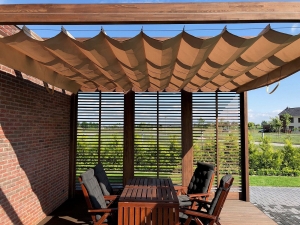
Retractable shade sails offer the ultimate in seasonal adaptability, allowing homeowners to maximise winter light whilst providing essential summer protection. These systems enable quick adjustment based on weather conditions.
Manual retractable systems provide cost-effective flexibility. Homeowners can partially or completely retract the sail based on immediate requirements, maintaining control over their conservatory environment.
5. Colour Coordination for Design Integration
Strategic colour selection can transform shade sails from purely functional elements into integral design features that enhance the aesthetic appeal of your conservatory. The fabric choice influences both the quality of filtered light and the overall ambience of your space.
Natural tones — such as cream, sand, and stone — create warm, welcoming environments whilst providing excellent heat reflection properties. These colours complement traditional conservatory furnishings and garden views without competing for visual attention.
Bold colour choices can create dramatic focal points and define specific zones within larger conservatories. Deep blues and forest greens work particularly well in conservatories overlooking formal gardens, whilst warm oranges and reds suit spaces designed for entertaining.
When choosing a shade sail colour, take the following considerations into account:
- UV fade resistance for long-term colour stability
- heat reflection properties to maximise cooling effectiveness
- compatibility with existing interior design schemes
- visual impact when viewed from both inside and outside the conservatory
6. Tensioning Systems for Professional Results
Proper tensioning determines both the visual appeal and functional performance of conservatory shade sails. Professional-grade tensioning hardware ensures the fabric maintains its intended shape whilst withstanding wind loads and thermal expansion cycles.
Steel tensioning components provide durability in the humid conservatory environment. Quality shade sail hardware resists corrosion whilst maintaining consistent tension levels throughout seasonal temperature variations that can affect fabric dimensions.
The tensioning process requires careful attention to load distribution across all attachment points. Uneven tension creates stress concentrations that can lead to premature fabric failure or hardware damage, emphasising the importance of professional installation or detailed guidance for DIY enthusiasts.

7. Integration With Existing Roof Features
Successful shade sail installation requires careful consideration of existing conservatory roof elements, including ventilation systems, lighting fixtures, and structural supports. Professional planning ensures these features continue to function effectively whilst accommodating the new shading system.
Ventilation integration presents many challenges, as shade sails must not impede natural air circulation or mechanical ventilation systems. Strategic positioning and fabric selection can actually enhance ventilation by creating pressure differentials that improve air movement through the conservatory.
Lighting considerations include maintaining access for bulb replacement whilst ensuring shade sails don't create unwanted shadows or interfere with light distribution patterns. Some installations benefit from repositioning lights to work harmoniously with the new shading configuration.
8. Professional Installation vs. DIY Approaches
The decision between professional installation and DIY approaches depends on the complexity of the conservatory, the availability of tools, and individual skill levels. Professional installation guarantees optimal results but represents a significant cost component of the overall project.
DIY installation becomes viable for straightforward rectangular or triangular configurations in conservatories with accessible attachment points. However, the project requires specific tools, including tensioning equipment and safety gear for working at height.
Professional installation offers several advantages such as warranty coverage, optimal tensioning, and integration with existing systems. Experienced installers can identify potential issues before they become problems whilst ensuring compliance with relevant safety standards.
Maximising Your Investment Through Quality Materials
The longevity and performance of your conservatory shade sail system depend on material quality and construction standards. Premium fabrics incorporate UV stabilisers and antimicrobial treatments that maintain appearance and functionality across multiple seasons.
High-quality shade fabrics from established manufacturers offer measurable advantages, including superior tear resistance, fade prevention, and weather durability. These materials justify their higher initial cost through extended service life and consistent performance levels.
The quality of attachment hardware proves equally important, as failure at any connection point compromises the entire system. Stainless steel components provide the best balance of strength, durability, and corrosion resistance for the conservatory environment.
Conclusion
Conservatory roof shade sails offer a sophisticated solution to the age-old problem of excessive heat and glare in conservatories. These eight implementation ideas demonstrate the versatility and effectiveness of modern shade sail technology whilst addressing the diverse needs of UK homeowners.
From simple triangular installations to complex multi-panel systems, shade sails provide cost-effective alternatives to traditional blinds. The growing shade sail market reflects an increasing recognition of the value these systems bring in creating comfortable, usable spaces throughout the year.
Contact the Shade4You team today for quality shade sails and receive expert guidance and technical support!
Total reviews: 17 reviews