+48 518 537 385
 office@shade4you.eu


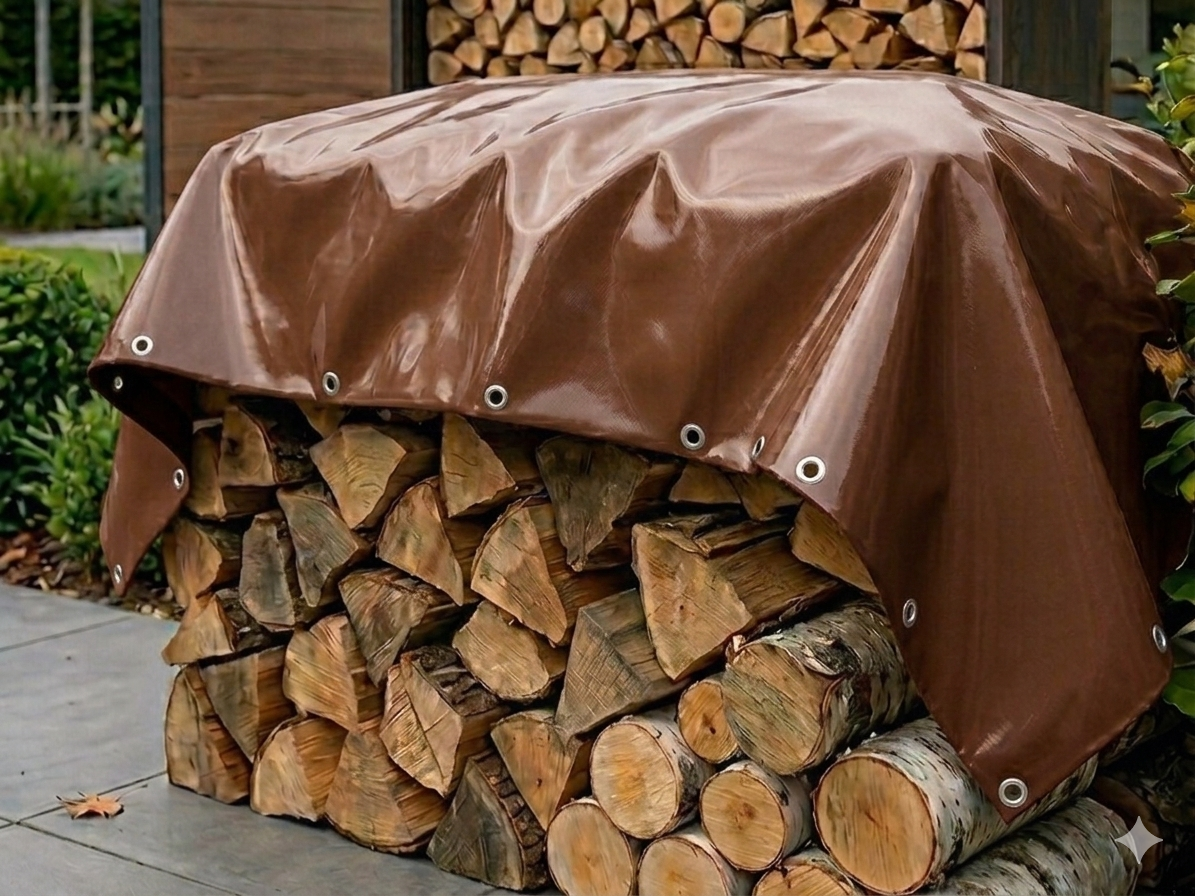
Tarpaulins are one of the most versatile and widely used protective covers in the world. From construction sites and agriculture to garden furniture and camping trips, a good tarp can shield almost anything from rain, sun, wind, and dust. But not all tarpaulins are created equal. The material a tarp is made from determines its strength, flexibility, water resistance, and lifespan — so understanding your options is essential before making a purchase.
Whether you need a lightweight cover for a weekend camping trip or a heavy-duty solution for year-round outdoor protection, this guide will walk you through the most common tarpaulin materials and help you decide which type suits your needs best.
What Exactly Is a Tarpaulin?
At its simplest, a tarpaulin — or tarp — is a large sheet of strong, flexible material that is used to cover and protect objects or surfaces. Most tarps feature reinforced edges, eyelets or grommets for easy fastening, and some degree of water resistance. They come in a wide variety of sizes, thicknesses, and materials, each designed for specific conditions and applications.
The key to choosing the right tarp lies in matching the material to the job. A tarp that works perfectly for covering garden furniture may not hold up on a building site, and vice versa. Let us look at the main types.
The Most Common Tarpaulin Materials
Polyethylene (PE) Tarps
Polyethylene is by far the most popular tarpaulin material, and for good reason. PE tarps are lightweight, affordable, and offer solid waterproof performance. They are woven from polyethylene fibres and then coated or laminated on both sides to create a moisture barrier.
The main advantages of PE tarps include:
- Excellent water resistance at a very accessible price point.
- Lightweight construction that makes them easy to handle, fold, and store.
- Good UV resistance when treated, though prolonged sun exposure over many months can cause degradation.
PE tarps are a great all-purpose choice for temporary outdoor protection — think covering firewood, shielding a barbecue area during rain, or protecting materials on a worksite. They are not the most durable option for permanent use, but for seasonal or short-term needs, they are hard to beat.
PVC-Coated Tarps
When you need something significantly tougher, PVC-coated tarpaulins step up. These tarps consist of a polyester weave coated with polyvinyl chloride (PVC), which gives them exceptional strength, tear resistance, and waterproofing. They are heavier than PE tarps but far more durable.
What makes PVC tarps stand out:
- Superior tear and abrasion resistance, ideal for industrial and commercial settings.
- Completely waterproof with welded seams in many products, eliminating leak points.
- High resistance to chemicals, oils, and mildew, extending their useful life considerably.
PVC tarps are commonly used for truck covers, warehouse curtains, and long-term covers and tarpaulins for heavy equipment. If you need a tarp that will endure harsh conditions month after month, PVC is the material to choose.
Canvas Tarps
Canvas tarpaulins are made from woven cotton or a cotton-polyester blend. They have a very different character compared to synthetic tarps — canvas is breathable, which prevents condensation from forming underneath. This makes canvas tarps the preferred option for covering items that need airflow, such as machinery, painted surfaces, or stored goods that could be damaged by trapped moisture.
Key characteristics of canvas tarps:
- Breathable fabric that reduces condensation and mould risk.
- Naturally resistant to tearing and abrasion thanks to the tight weave.
- Can be treated with wax or chemical coatings for improved water resistance while retaining breathability.
Canvas tarps tend to be heavier and more expensive than PE or PVC options, but they offer a level of protection that synthetic materials cannot replicate in situations where airflow matters.
Mesh Tarps
Mesh tarpaulins are designed not to block water but to filter sunlight and wind. They are made from woven polyethylene or polyester with an open structure that allows air to pass through while reducing UV exposure. Mesh tarps are commonly rated by their shade percentage — typically between 50% and 90%.
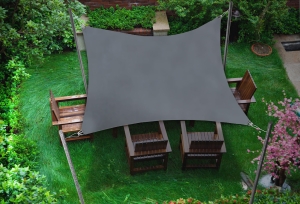
These tarps are ideal for creating shaded areas over patios, play areas, or parking spaces without completely blocking airflow. If you are looking for dedicated shade solutions, you might also consider waterproof shade sails, which combine sun protection with rain resistance in an elegant design.
Choosing the Right Tarp: Key Factors to Consider
With so many materials available, narrowing down your choice comes down to a few practical questions:
- What are you protecting against? Rain, sun, dust, or all three? Waterproof PE or PVC tarps handle rain; mesh handles sun; canvas handles condensation-sensitive items.
- How long will the tarp be in use? For short-term or seasonal cover, PE is cost-effective. For permanent installations, invest in PVC or treated canvas.
- Does the covered item need airflow? If moisture buildup is a concern, choose canvas or mesh over fully sealed synthetic options.
Weight also matters. If you need to move, fold, and store your tarp frequently, a lighter PE tarp is more practical. For fixed installations where the tarp stays in place, the extra weight of PVC or canvas is not a drawback — it actually helps the cover stay put in windy conditions.
Grommets, Reinforcements, and Finishing Details
Regardless of the material, the quality of a tarp's finishing details plays a huge role in its performance. Look for tarps with heat-sealed or double-stitched hems to prevent fraying. Rust-resistant metal or heavy-duty plastic grommets at regular intervals make securing the tarp much easier and more reliable.
Reinforced corners are especially important, as these are the stress points where tearing is most likely to occur. A well-finished tarp with strong grommets and reinforced edges will outlast a cheaper alternative many times over, regardless of the base material.
Final Thoughts
Choosing the right tarpaulin material is all about matching the product to the purpose. PE tarps offer unbeatable value for everyday protection. PVC-coated tarps deliver industrial-grade durability. Canvas provides breathability where it counts. And mesh tarps let you control sunlight without sacrificing airflow. Whatever your project or outdoor need, understanding these materials ensures you make a smart, lasting investment.
Take the time to assess your specific requirements — and you will find a tarp that performs exactly as you need it to, season after season.
Total reviews: 39 reviews