+48 518 537 385
 office@shade4you.eu


Picture this: you've invested in beautiful garden furniture, planned the perfect BBQ area, and invited friends over for a lovely afternoon. Then the sun shifts, and suddenly everyone's squinting and seeking shade under your single umbrella.
Sound familiar? You're not alone in this struggle.
The secret to avoiding this common garden mishap lies in understanding how the sun moves across your outdoor space throughout the day and seasons. Whether your garden faces east, south, north, or west, the sun's journey creates different challenges and opportunities that many homeowners overlook when planning their outdoor areas.
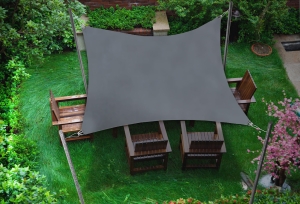
Rather than relying on traditional fixed solutions, modern options like shade sails offer the flexibility you need to create comfortable spaces that actually work with your garden's natural light patterns.
Keep reading to discover how tracking the sun's movement can transform your outdoor space from a hit-or-miss area into a consistently comfortable extension of your home.
Getting to Know Your Garden's Sun Story
There's more to a well-planned domestic garden than just about aesthetics. It also plays a vital role in promoting physical health and overall well-being.
Research has shown that access to green spaces can help reduce health disparities, offering both psychological and physiological benefits.
Gardens have been associated with lower rates of social, emotional, and behavioural difficulties in children, particularly those in years 4–6. For middle-aged and older adults, spending time in a garden has been linked to improved mental and physical health, including a lower risk of depression.
Additionally, gardens provide a natural way to manage stress, supporting emotional balance and relaxation.
Considering those benefits, it's understandable to want to maximise the potential of your outdoor space. To do that, you'll want to spend some time observing how light moves across it throughout different seasons.
The best approach is to track sun patterns during both summer and winter months, as this provides a comprehensive picture of what your garden experiences. You might be surprised by how dramatically things change between seasons.
Start by watching where the sun rises and sets from your garden's perspective.
- During summer months, you'll notice the sun rises in the northeast and sets in the northwest, giving you those lovely long evenings.
- Come winter, everything shifts — sunrise moves to the southeast and sunset to the southwest, with much shorter days and that lower, gentler sun angle we all know too well.
Here's what works well: take photos or make simple sketches at different times throughout the day. Note which areas get that gorgeous morning light (your east-facing spots), where the midday sun hits hardest (typically south-facing areas), and which parts catch the evening glow (west-facing zones).
You'll likely find that north-facing areas stay relatively cool and shaded throughout the day.
Making the Most of Your East-Facing Areas
If you're lucky enough to have an east-facing garden area, you've got access to some of the most pleasant sunlight of the day. That gentle morning sun is perfect for enjoying your coffee outdoors or tending to herbs that love the early warmth.
The challenge? These same spots often fall into shadow just when you want to use them during afternoon gatherings. This is where smart shade sail planning comes in handy.
For a strategic placement for east-facing gardens, you should:
- position triangular shade sails along the western boundary to block that harsh afternoon sun
- keep sails higher on the morning side so you don't lose that lovely early light
- use adjustable options that let you modify coverage as the seasons change
The trick is thinking about how your space changes throughout the day. You might love having your morning coffee in full sunshine, but come 3 PM, you'll want protection from the western sun that can make the same spot uncomfortably hot.
When planning shade placement, remember that east-facing areas work best when the shade complements, rather than competes with, the natural light patterns.
Getting the Best from South-Facing Gardens
South-facing gardens are a bit like having the best and most challenging seat in the house all at once. You get wonderful, consistent sunlight throughout the day, but summer months can turn these spaces into something resembling a furnace.
The key is recognising that whilst you want to embrace all that lovely light, you also need to create comfortable refuges during those intense midday hours.
Here's what works well:
- Position larger shade sails centrally to create cool zones when the sun's at its strongest.
- Go for removable or retractable sail options so you can adapt with the seasons.
- Think about layering different shade solutions, mixing various sail sizes and heights.
South-facing gardens can truly benefit from professional consultation because getting the balance right requires understanding both your specific space and how different shade materials perform. You want substantial protection during those scorching July afternoons, but come December, you'll appreciate every bit of warmth and light you can get.
Tackling West-Facing Garden Challenges
West-facing gardens can be a real puzzle to solve. These areas often become uncomfortably hot just when you want to use them most: during those lovely afternoon and evening hours when you're finally done with work and ready to relax outdoors.
The afternoon sun in west-facing gardens has a particular intensity between 2 PM and sunset that can make even the most enthusiastic sun-lover seek shelter. Such timing is particularly frustrating because it coincides with when most families want to use their outdoor spaces for dinner, entertaining, or unwinding.
The solution lies in strategic shade placement that blocks that intense afternoon sun whilst still allowing you to enjoy your morning outdoor time.
Installing large shade sails that extend coverage across your main seating and entertaining areas can transform these spaces into comfortable outdoor rooms.
Professional design ensures the angles work properly to give you maximum afternoon protection without creating unnecessary morning shade. It's about working with your garden's natural patterns rather than fighting against them.
Working With North-Facing Garden Spaces
North-facing gardens often get a bit of a bad rap, but they shouldn't.
Yes, you won't get that intense direct sunlight that other orientations enjoy, but what you do get is something quite special — consistent, gentle light throughout the day without the extreme heat that can make other gardens uncomfortable.
These spaces tend to feel naturally cooler, which can be absolutely lovely during hot summer months when your south-facing neighbours are hiding indoors. The challenge comes during those cooler months when you'd appreciate a bit more warmth and brightness.
In north-facing gardens, your shade sail considerations flip a bit. Rather than blocking sun, you're often looking at wind protection and creating comfortable microclimates whilst preserving every bit of precious natural light you can get.
Consider transparent or light-coloured materials that provide shelter without stealing your illumination. Wind-resistant shade structures can create surprisingly comfortable outdoor spaces that you can use more often than you might expect, even with limited direct sun exposure.
Planning for All Seasons
Your garden's sun patterns change quite dramatically between seasons. What works beautifully in July might leave you shivering in March. The good news is that flexible shade solutions can adapt to these changing conditions.
During summer months, you'll want maximum coverage during those peak hours between 10 AM and 4 PM. Come winter, you may find yourself wanting to remove or reposition your shade completely to capture every bit of available solar warmth. Spring and autumn sit somewhere in between, requiring moderate adjustments as conditions change.
Custom shade sail solutions offer exactly this kind of flexibility. Retractable systems, removable installations, and adjustable mounting points mean you can modify your coverage as Mother Nature dictates.
This adaptability ensures you get the most from your outdoor space throughout the year, whilst protecting your investment in quality shade structures.
Making Your Outdoor Space Work for You
Creating a garden that aligns with the sun's natural patterns can completely transform your outdoor experience. It's the difference between having a space you can only use at certain times and having a genuine extension of your home that welcomes you throughout the day.
The growing European appreciation for sophisticated outdoor shade solutions shows that people are recognising the real value of thoughtfully planned outdoor spaces.
When you combine careful observation of your garden's unique sun story with professional installation expertise, you create an investment that enhances your daily life and adds genuine value to your property.
Achieving a comfortable and functional garden really comes down to working with what you've got rather than against it. Sometimes it just needs a bit of expert help to get there.
Contact Shade4You today and get the expert help you need to make your garden work for you.
Total reviews: 21 reviews