+48 518 537 385
 office@shade4you.eu


Like many homeowners, you've probably invested in beautiful shade sails or Roman curtains to transform your outdoor space. But, chances are, after months of British weather, they're looking rather worse for wear.
You're probably wondering whether you need to fork out for professional cleaning or if there's a way to restore them yourself without breaking the bank.
The thing is, those shade installations you've carefully chosen for your garden or patio is a significant investment, often running into hundreds or thousands of pounds. So, it makes sense to learn how to keep your investment looking fresh and functioning properly.
Read on to discover the same techniques professional cleaners use that could save you a small fortune in replacement costs.
Understanding the Growing Market for Outdoor Shade Solutions
Global Market Insights valued the global shade sails market at USD 1.84 billion in 2023 and projected it to grow at a compound annual growth rate (CAGR) of 6.6% from 2024 to 2032. This expansion is primarily driven by urbanization and population growth, which fuel commercial and infrastructure development.
Additionally, the rising popularity of outdoor living spaces and the increasing demand for sun and UV protection are expected to continue supporting market growth.

What does this tell us? Shade sails are no longer just a niche product but are becoming a fundamental element in modern design and outdoor living. And with more people incorporating them into their spaces, proper maintenance has become just as important as the initial installation, especially for outdoor installations.
UK homeowners have cottoned on to something important: quality beats quick fixes every time.
The combination of environmental exposure and fabric complexity requires specialised knowledge that goes beyond standard household cleaning techniques.
1. What You Need to Know Before You Begin
Before attempting any cleaning procedure, take a proper look at what you're dealing with. Walk around your shade installation with a critical eye.
Are there any tears, loose threads, or spots that look particularly grubby? It's worth taking a few photos at this stage. You'll thank yourself later if any questions arise about what was damaged before you started cleaning.
Timing is everything, especially with our British weather. You want a day that's mild but not humid, with little to no wind. There's nothing more frustrating than watching your cleaning solution dry before you've had a chance to work with it, or worse, having it blown back in your face.
If the weather forecast shows rain within 24 hours, postpone the job, as you will need proper drying time.
Here's a tip many people overlook: remove any hardware you can before starting. Those clips, rings, and fittings might seem permanently attached, but most come off easily enough. Taking them off means you can clean thoroughly without worrying about getting metal components wet or soapy.
2. The Right Tools Make All the Difference
Never approach shade cleaning with inadequate equipment. After all, commercial shade cleaning requires specific products designed for outdoor fabrics.
The good news is that you don't need anything too fancy — just the right basics can help get the job done.
Your shopping list should include:
- soft-bristled brushes with decent reach (preferably with extended handles)
- a garden hose with adjustable settings
- good-quality microfibre cloths for the finishing touches
- a proper mixing bucket for your cleaning solutions
- protective gear for yourself — gloves and safety glasses
Professional cleaners avoid old washing-up liquid. They choose pH-neutral cleaners designed specifically for outdoor fabrics.
Harsh detergents can strip away the protective coatings that keep your waterproof shade sails protected against the elements. Some even include UV inhibitors and fabric treatments.
3. The Step-By-Step Process: Different Materials Require Different Approaches
Let's start with the basics: removing loose debris. Use your soft brush or even a vacuum with an upholstery attachment to clear away leaves, dust, and whatever else has accumulated. Work from top to bottom, paying extra attention to corners and seams where grime loves to hide.
If you're dealing with HDPE materials, you'll want a gentle approach. Mix your pH-neutral cleaner with cool water and work in sections. Apply it with your soft brush using circular motions, then let it sit for about 10-15 minutes. This gives the cleaner time to work on the dirt without you having to scrub aggressively.
Waterproof PVC materials need a slightly different touch. These surfaces can be somewhat more sensitive to scratching, so avoid using anything abrasive. A dedicated PVC cleaner or mild soap solution works well, but remember to work in small areas and rinse thoroughly. Soap residue on PVC is like a magnet for dirt — not what you want after all this effort.
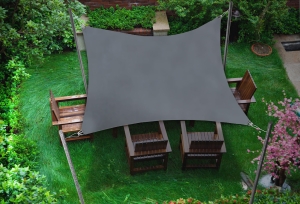
Triangle shade sails and rectangular ones both have their tricky spots, usually at the corners where water tends to collect and run off. These stress points often need extra attention, so don't be surprised if you need to go over them twice.

4. Tackling Stubborn Stains
Some stains are more stubborn than others, and the approach depends on the type of stain you're dealing with.
Bird droppings, tree sap, or food stains respond well to enzyme-based cleaners. These work by breaking down proteins and organic compounds, munching away at the stain. Apply directly to the problem area and give the enzymes time to do their work.
Hard water marks and environmental stains are different beasts altogether. A mild solution of white vinegar and water often does the trick without harming your fabric. But here's the crucial bit–always test any stain remover on a hidden area first. What works perfectly on plain white fabric might react differently with coloured or treated materials.
For trickier stains that won't budge, consider whether it's worth the risk of aggressive treatment. Sometimes it's better to live with a small imperfection than to damage the entire panel trying to remove it.
5. Drying Done Right
This is where many people go wrong — they try to rush the drying process. Heat sources are your enemy here.
Want to do it right? Here's the solution: no hair dryers, no heaters, no positioning near radiators. These can shrink your fabric or damage synthetic fibres faster than you can say "expensive mistake."
Natural air drying in a shaded spot with good ventilation is your best bet. In our climate, it might mean being patient for a day or two.
Inspect those seams, pockets, and reinforced areas where water tends to accumulate. They need to be completely dry before you even think about putting everything back together.
When you're ready to reinstall, take a moment to inspect all the connection points and hardware. A bit of lubricant on moving parts now can save you headaches later.
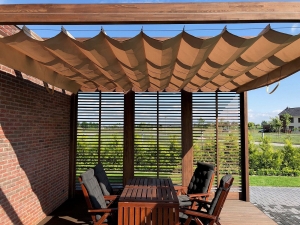
For retractable Roman shades and sliding systems, this step is critical, as you want everything to move smoothly for the next season.
6. Smart Maintenance
Regular little checks can save you from major cleaning sessions. A monthly walk-around to remove debris and check for any developing issues takes maybe ten minutes, but can prevent problems that would require hours to fix later.
Timing your deep cleans with the seasons makes sense, too. Late spring or early autumn often provides the best conditions — mild weather that gives your shades proper drying time without the extremes of summer heat or winter cold.
If you've got sliding shade sails or retractable systems, they need a bit more attention. Those moving parts don't maintain themselves, and a stiff mechanism can put stress on the fabric in ways you might not expect.
7. Working Out the Numbers — DIY or Call in the Professionals?
For smaller installations at ground level, DIY makes perfect sense once you know what you're doing. But if you're dealing with large areas or anything mounted high up, the safety considerations alone might tip the balance in favor of professional help.
Think about the long-term picture as well. Proper maintenance, whether you do it yourself or hire professionals, can significantly extend the life of your shades.
When you're looking at installations that cost hundreds or thousands of pounds, even expensive professional cleaning can work out cheaper than premature replacement.
Many property owners recognize this, and a recent study indicates that homeowners, businesses, and institutions are increasingly partnering with cleaning contractors to ensure effective upkeep.

Wrapping It All Up
Maintaining your Roman shades and shade sails doesn't have to be a mystery or a chore that you dread. With the right knowledge and approach, you can keep your outdoor shade solutions looking great and performing well for years to come.
The European market's growing interest in high-quality outdoor shade reflects something we all understand: these installations add real value to our homes and lifestyles.
Whether you choose to handle the maintenance yourself or work with professionals, the key is understanding what your particular shades need and staying on top of regular care.
Remember, prevention beats cure every time. A bit of regular attention, the right cleaning techniques when needed, and quality protective treatments will keep your investment in top condition whilst keeping your wallet happy.
If you're ever unsure about the best approach for your specific installation, or if you're considering upgrading your outdoor shade solutions, contact the specialists at Shade4You. We understand exactly what works in our European climate and can guide you towards the best solutions for your space.
Total reviews: 16 reviews